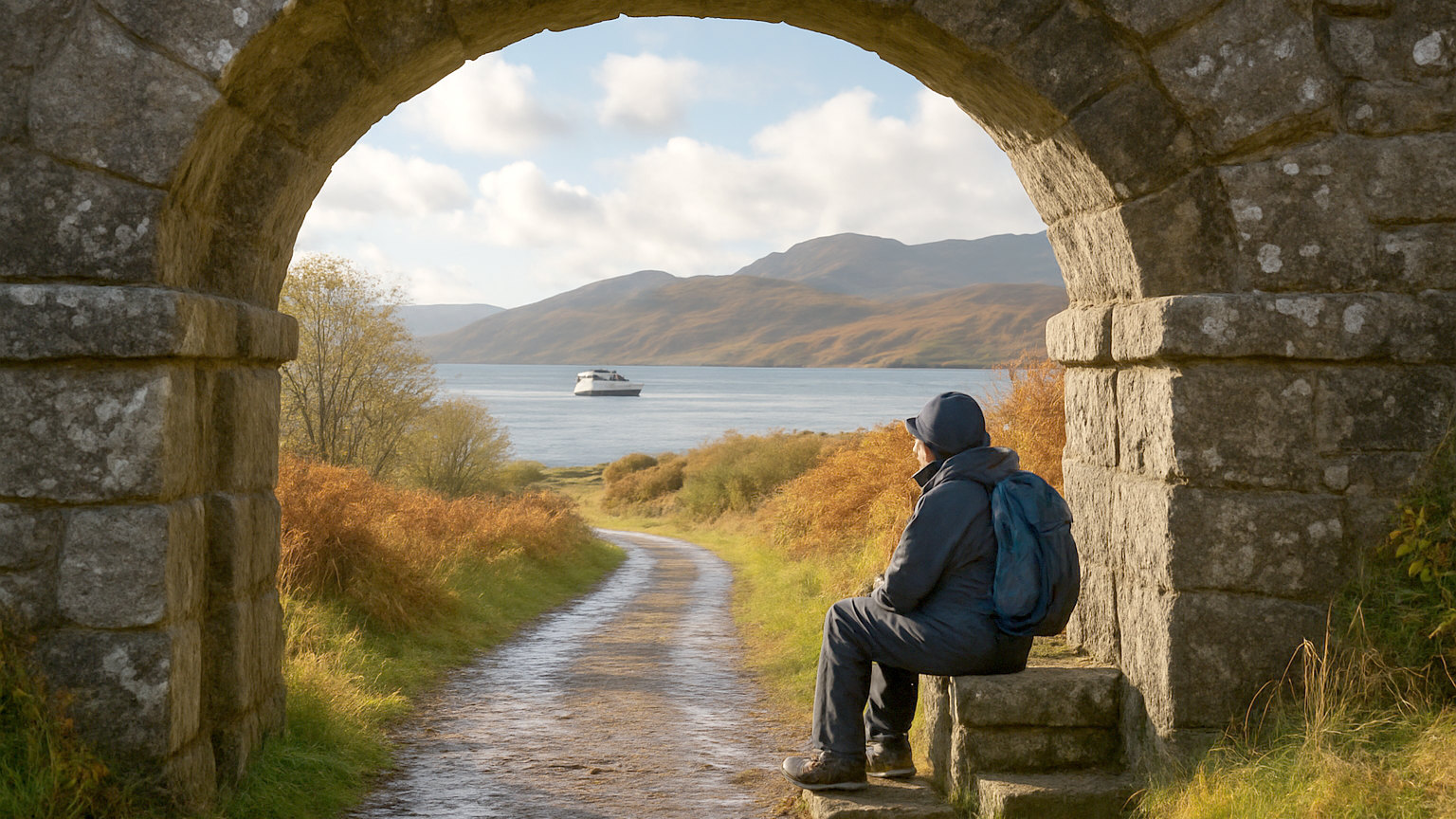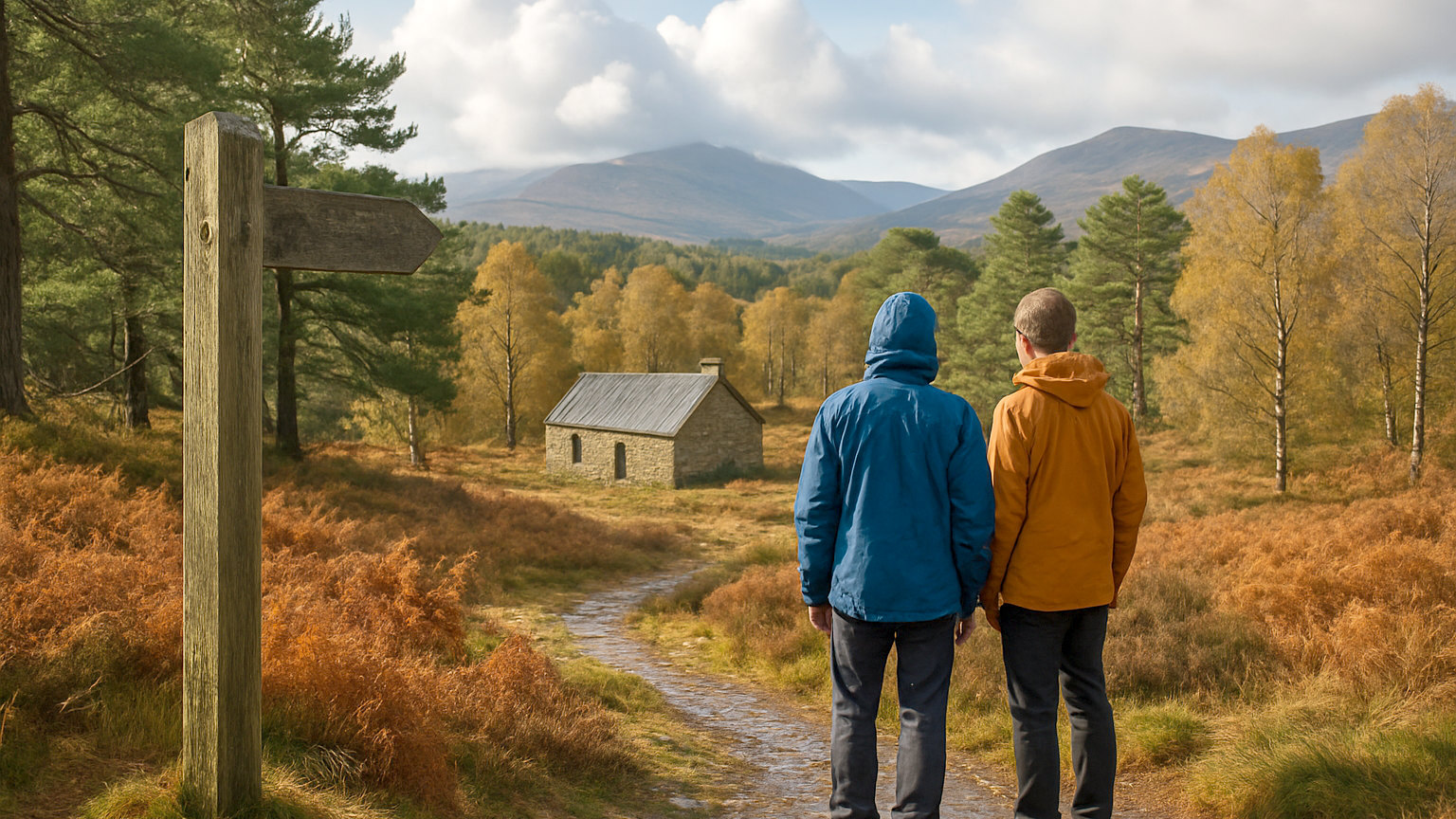
A bothy is a simple shelter in a remote area, left unlocked, free to use and maintained by volunteers. They exist mainly in Scotland with a number in northern England and Wales, and they occupy a particular place in British hill culture that is worth understanding before using one.
What is a bothy actually like?
Four walls, a roof, a floor and very little else. Typically a former shepherd's cottage or estate building, with a sleeping platform or bare floor, sometimes a fireplace, occasionally a table and chairs.
There is no bedding, no cooking equipment, no electricity, no running water and usually no lavatory. You bring everything and carry everything out.
Who maintains them?
Largely a volunteer association working with landowners, which repairs and maintains around a hundred buildings across Britain. The buildings themselves remain in private ownership and are made available by the estates.
The whole arrangement rests on goodwill, which is why the behaviour of users matters more than at any other kind of accommodation.
What is the bothy code?
Respect the building, the other users, the estate and the environment. Leave it cleaner than you found it. Take out all rubbish including anything left by others.
Do not stay more than a couple of nights. Do not use them for large groups, since they are small and shared. Bury human waste well away from the building and any water source.
Can you book one?
No, and this is the central point. Bothies are open shelters on a first come basis and you may arrive to find one full. Nobody has a right to space and everybody is expected to make room.
Because of this, you should always carry a tent or be prepared to walk on. Relying on a bothy being empty is the most common mistake people make.
What should you take?
Sleeping bag and mat, stove and fuel, all food and water or a means of treating it, a torch, and candles if you want light. Firewood or fuel if you intend to use a fireplace, since local wood should not be cut.
Also a bag for rubbish, a trowel, and enough spare clothing that being wet is not a problem.
Where are they?
Concentrated in the Scottish Highlands, with clusters in the Cairngorms, the north west, Galloway and the Borders. A smaller number in the north of England and in Wales.
Locations are published for most, though a few are deliberately not publicised at the landowner's request. Some are closed during deer stalking or lambing, which is notified in advance.
Are they safe?
The buildings are, generally, and the walk in is the serious part. Bothies are by definition remote, frequently several hours from a road, with no signal and no help.
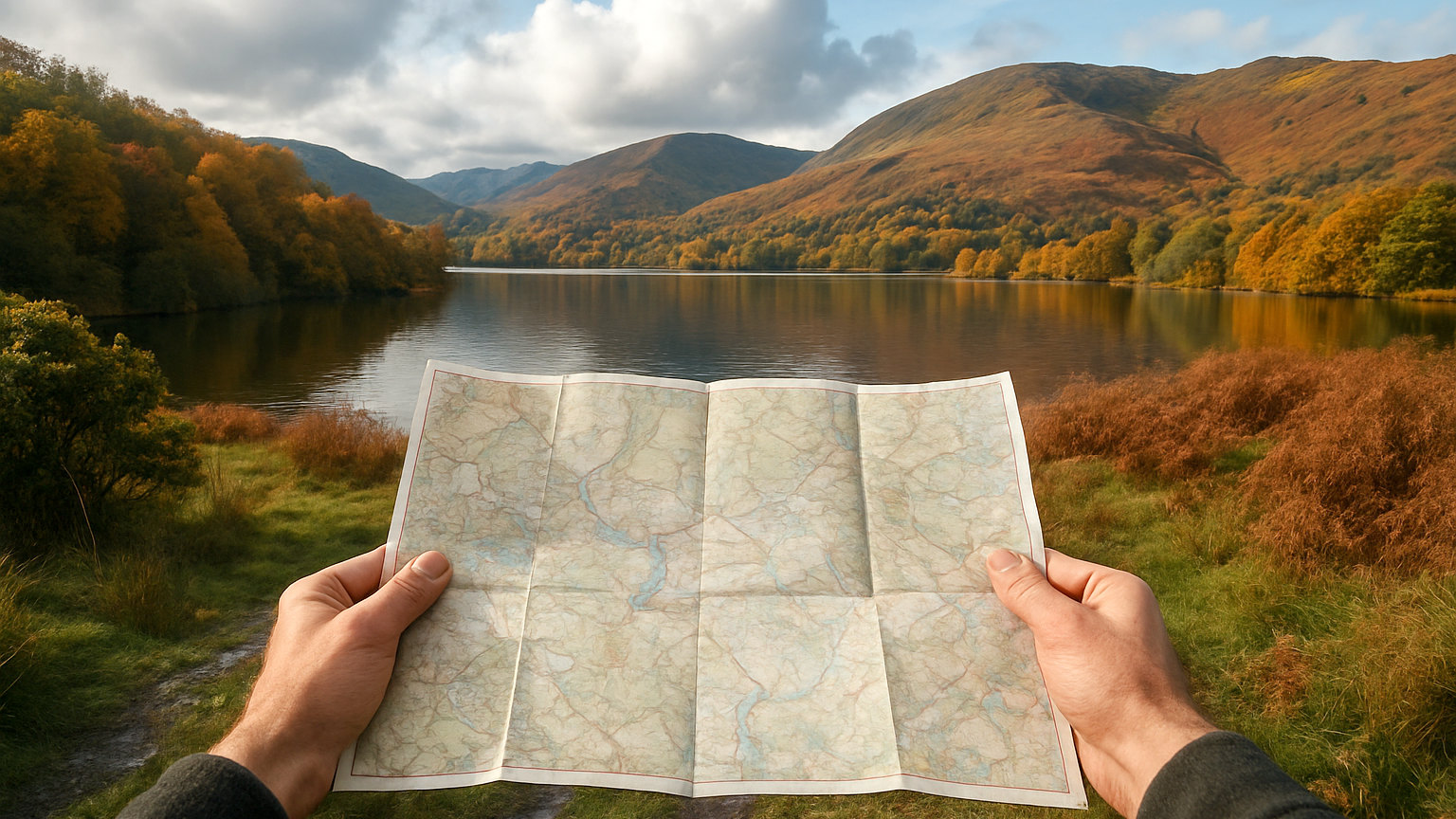
Anyone using one needs full hill walking competence: navigation, appropriate clothing, the ability to turn back and the awareness that nobody knows you are there unless you told them.
What is the etiquette with other users?
Share space willingly, arrive with the expectation of company, and be sociable or quiet according to the room. Latecomers are accommodated, and taking a whole room for two people when others arrive is poor form.
Many bothies have a visitor book, which is worth reading and signing, and which occasionally forms part of a search if someone goes missing.
What should you never do?
Light a fire with anything from the surrounding area, leave rubbish, damage the building, use one as a base for a large group, or treat it as free accommodation for a party.
Bothies have been closed permanently after abuse, and each closure removes a shelter that took volunteers years to restore.
Who are they for?
Experienced walkers, climbers and cyclists travelling through remote country, for whom a roof for a night in bad weather is genuinely valuable.
They are not an accommodation option for a general holiday, and approaching them that way is how the goodwill they depend on gets used up.