Bunkhouses and camping barns occupy a useful gap in British accommodation between a hostel and camping. They are cheap, simple, frequently in excellent locations, and they exist largely because walkers, climbers and cyclists needed somewhere to sleep where nothing else was viable.
What is a bunkhouse?
Simple self catering accommodation with bunk beds, a kitchen, a drying room and shared bathrooms. Often a converted barn, stable or chapel, run by a farm, an estate or an outdoor centre.
Bedding is sometimes provided and sometimes not, which is the main thing to check before arriving.
What is a camping barn?
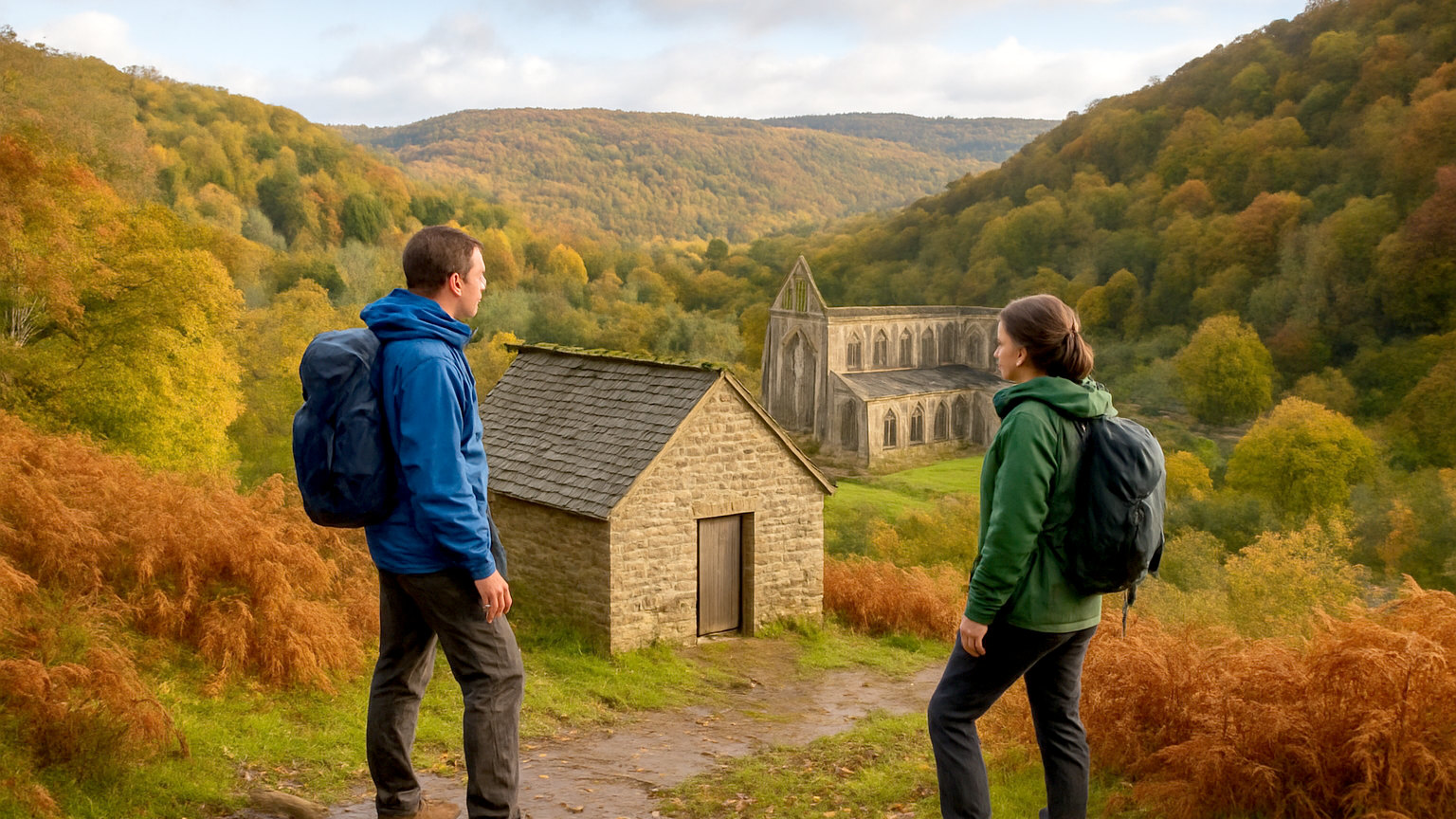
More basic again, and sometimes described as a stone tent. A weatherproof building with a sleeping platform, a cold water tap and a lavatory, and occasionally a stove or a cooking area.
You bring everything: sleeping bag, mat, stove, cooking equipment and light. In exchange they cost very little indeed.
Where are they?
Concentrated in the walking areas: the Lake District, the Yorkshire Dales, the Peak District, Eryri and the Brecon Beacons, the Scottish Highlands and along long distance paths.
Many are on working farms and in villages where no other accommodation exists, which is precisely their value.
Who uses them?
Walkers, climbers, cyclists, canoeists, school and youth groups, and families on a tight budget. Increasingly also groups hiring the whole building for a weekend.
They suit anyone who wants to be somewhere specific rather than comfortable, and anyone whose day will be spent outdoors regardless.
Can you book the whole building?
Very often, and it is one of the best value group options in Britain. A bunkhouse sleeping twelve or twenty hired exclusively for a weekend costs a fraction of any alternative per head.
Sole use also removes the main drawback, which is sharing space with strangers, and makes them viable for family gatherings and celebrations.
What should you take?
A sleeping bag and pillowcase unless bedding is confirmed. A torch or head torch. Food and, at camping barns, a stove and pans.
A towel, indoor shoes and earplugs. Cash, since some are run informally with an honesty box or a payment on arrival.
What are the facilities like?
Variable, from a well appointed bunkhouse with hot showers and a good kitchen to a barn with a tap and a chemical lavatory. Read the description carefully rather than assuming a category standard.
Drying rooms are the feature walkers value most, and most bunkhouses have one, which after a wet day is worth more than a comfortable bed.
How much do they cost?
Very little per person, with camping barns cheaper still and among the least expensive roofed accommodation in Britain. Sole use of a whole building costs a modest sum for a group.
The saving over a week for a walking group compared with inns is substantial and frequently funds the trip.
How do you find them?
Independent hostel and bunkhouse networks publish directories, and national park and long distance path websites list accommodation along routes.
Many do not appear on the large booking platforms at all, being small operations that take bookings by telephone or email, which is why searching a platform gives a misleading picture of what is available.
Who should avoid them?
Anyone wanting privacy, service or comfort, or travelling with anyone who would find shared bathrooms and bunk beds difficult.
For everyone else, particularly for a group or a walking trip, they are among the most useful and least publicised accommodation options in the country.
How do they compare with camping?
Warmer, drier and considerably more comfortable in bad weather, for a modest amount more than a pitch. The great advantage is that a wet week does not mean a wet tent, and a drying room turns a soaked walking day into an inconvenience. For anyone camping in Britain in spring or autumn, a bunkhouse is frequently the better decision.
One last practicality: many are on working farms, which means early activity, machinery and livestock nearby. That is part of the character rather than a fault, and anyone hoping for silence at six in the morning has chosen the wrong kind of building.