The word hostel puts people off, and in Britain it should not. The hostelling associations and the independent network between them run several hundred properties, a good many of them in places where no commercial hotel could be built, and private rooms have long since become standard alongside dormitories.
Who are they for?
Anyone. Age restrictions disappeared decades ago and the guest mix includes families, walkers, cyclists, older travellers and school groups. The name is historical rather than descriptive.
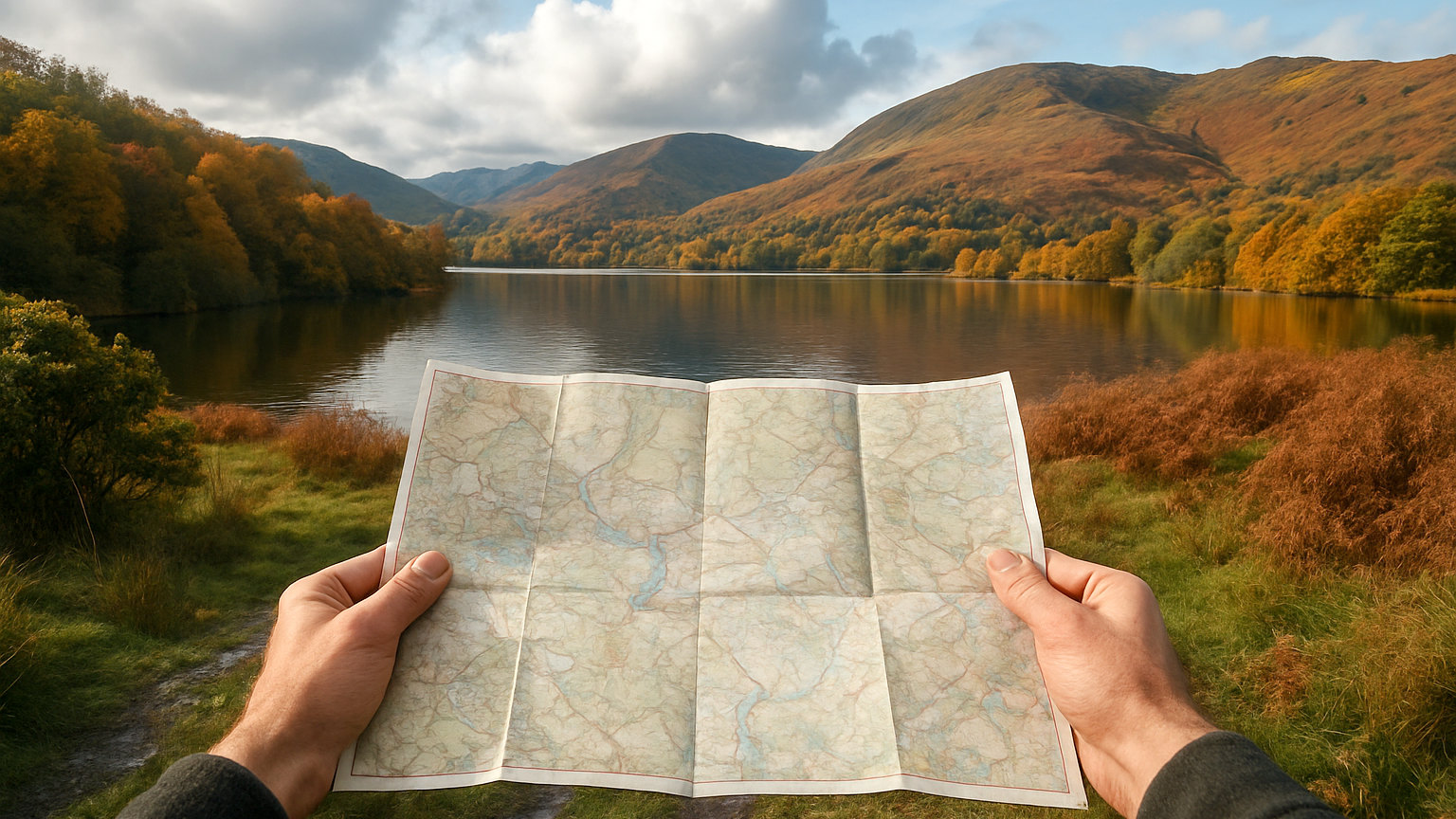
They suit walkers particularly well, being frequently positioned on long distance paths and in national parks where accommodation is scarce.
What are the rooms like?
Dormitories of four to eight beds, and private rooms sleeping two to six, many with private bathrooms. Family rooms are widely available.
Bedding is provided. Rooms are simple rather than smart, and the buildings vary from purpose built to converted mansions, farmhouses and a former station or two.
What facilities do they have?
A self catering kitchen, which is the main saving, since cooking for a family in a hostel kitchen costs a fraction of eating out. A common room, drying room and secure storage.
Many serve meals and have a licensed bar. Wireless internet is standard, though signal in remote locations is what it is.
Where are the best ones?
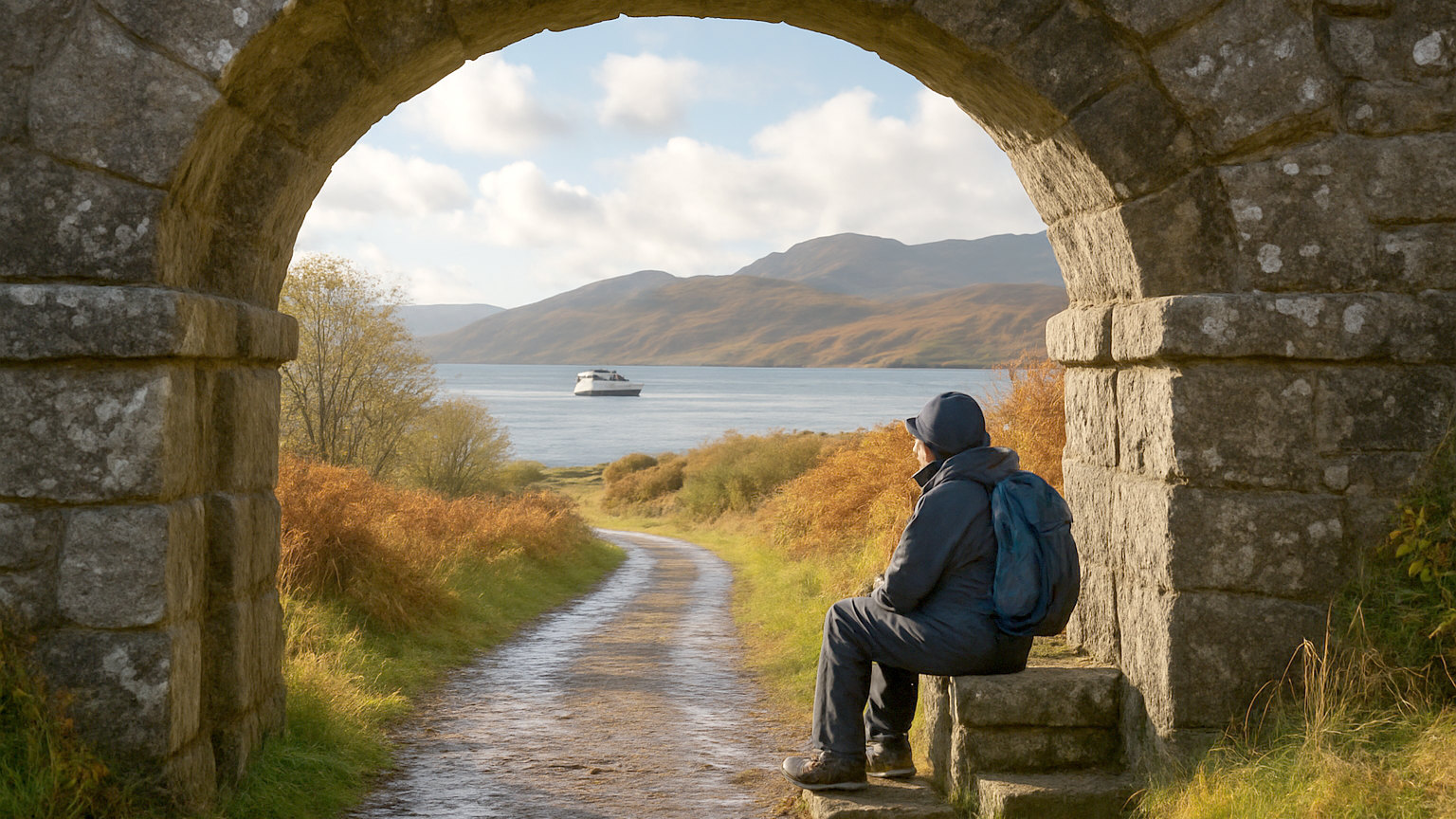
In places chosen for walkers rather than for commerce. Buildings on the coast, in mountain valleys, beside lakes and on national trails, several in locations that are genuinely spectacular.
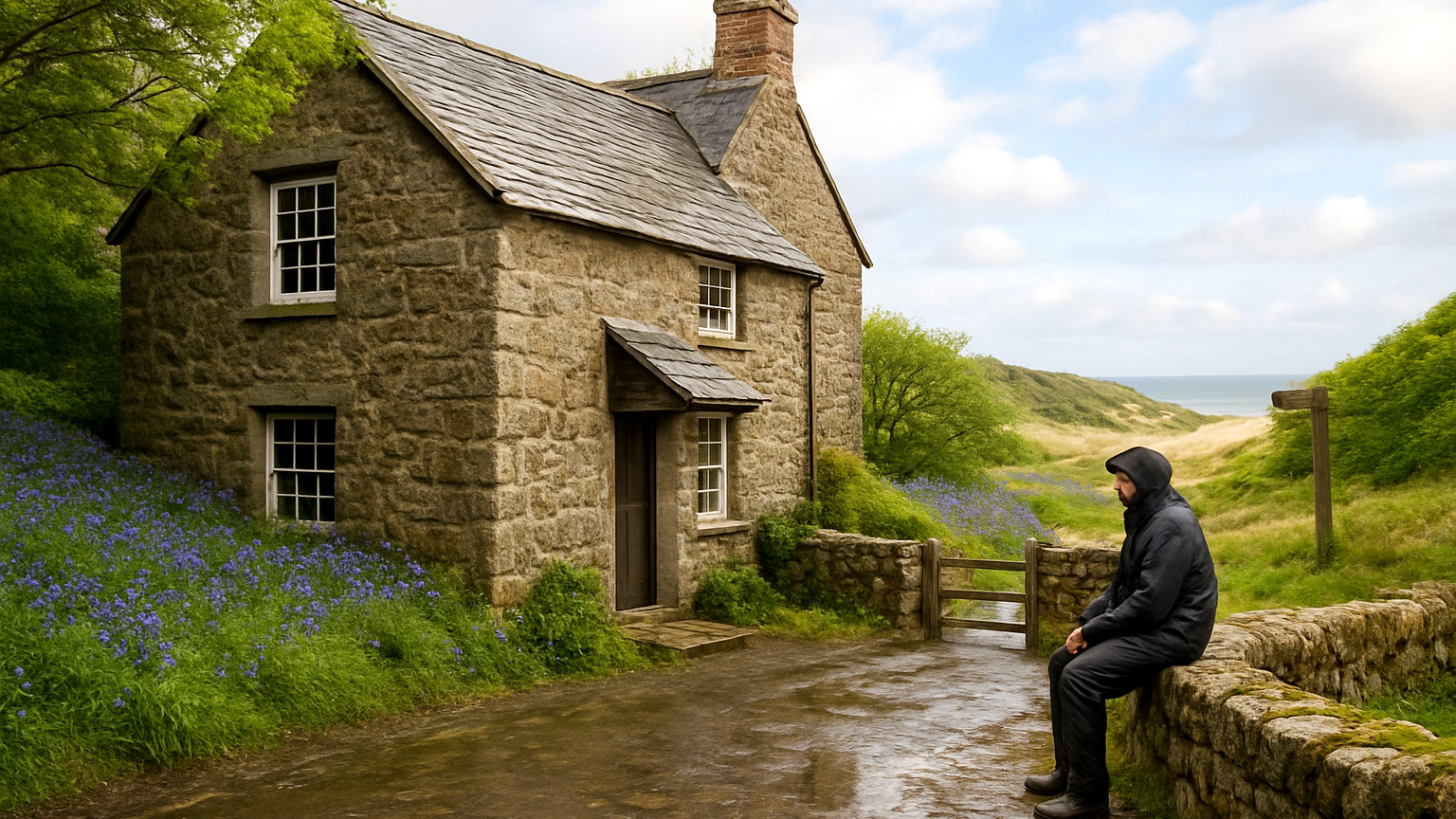
Some occupy historic properties including old mills, country houses and coastguard buildings, and a few are among the best sited accommodation in Britain at any price.
Do you need membership?
No, but members pay less per night and the saving usually covers the annual fee within a few stays. Membership of one national association is generally recognised by the others.
Independent hostels operate separately with no membership requirement at all.
What are the drawbacks?
Shared facilities in some properties, noise in dormitories, and rules that hotels do not have, including quiet hours. Kitchens get busy at the same time every evening.
Some properties close during the day or in winter, and remote ones may have limited staffing, so check before relying on arriving late.
What should you take?
A towel, which is sometimes provided and sometimes not. Earplugs for a dormitory. A padlock if lockers are provided. Food, since remote hostels may be a long way from a shop.
Bedding is included, so a sleeping bag is unnecessary unless you are camping alongside.
Can you book a whole hostel?
Yes, and it is one of the most useful and least known options for groups. Exclusive hire of a small hostel for a family gathering, a walking group or a celebration is frequently cheaper per head than any alternative.
Booking well ahead is necessary, particularly for the popular locations and school holiday periods.
How do they compare on cost?
A dormitory bed is very cheap. A private family room costs less than a hotel room and includes a kitchen, which for a week is a substantial saving.
Where they are unbeatable is location: paying a modest sum to stay in a mountain valley or on a coastal path is not available any other way.
What is the honest verdict?
For walkers, families on a budget, solo travellers and anyone who values position over polish, they are among the best accommodation options in Britain.
For anyone wanting privacy, quiet and service, a small hotel or an inn is the better choice, and the difference in price is usually modest.
How far ahead should you book?
Several months for the popular rural properties in school holidays and at weekends, since capacity is small and walking groups book early. Midweek and out of season is generally easy, sometimes on the day. Exclusive hire of a whole building needs the longest lead time of all, frequently a year for a summer weekend.