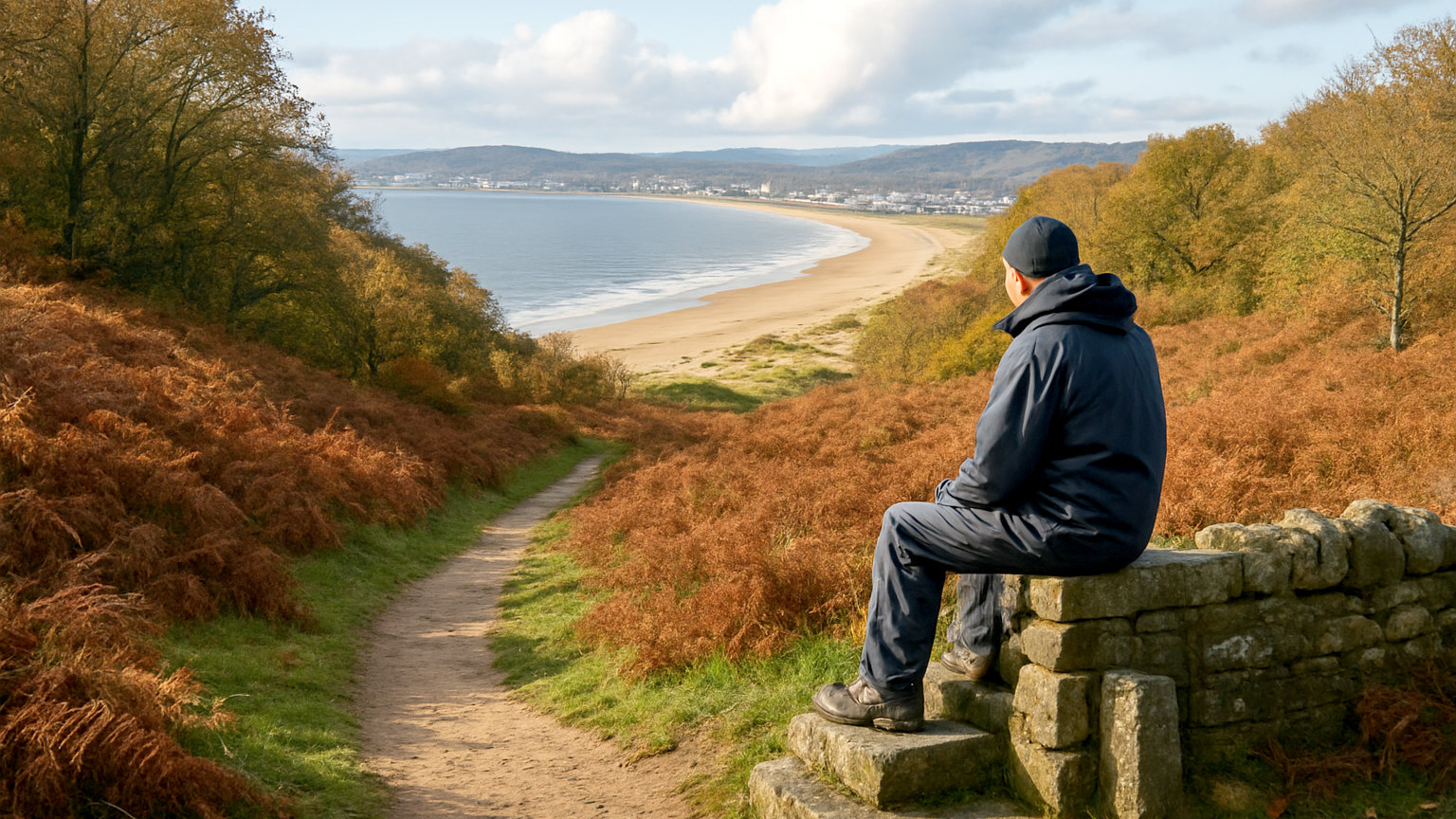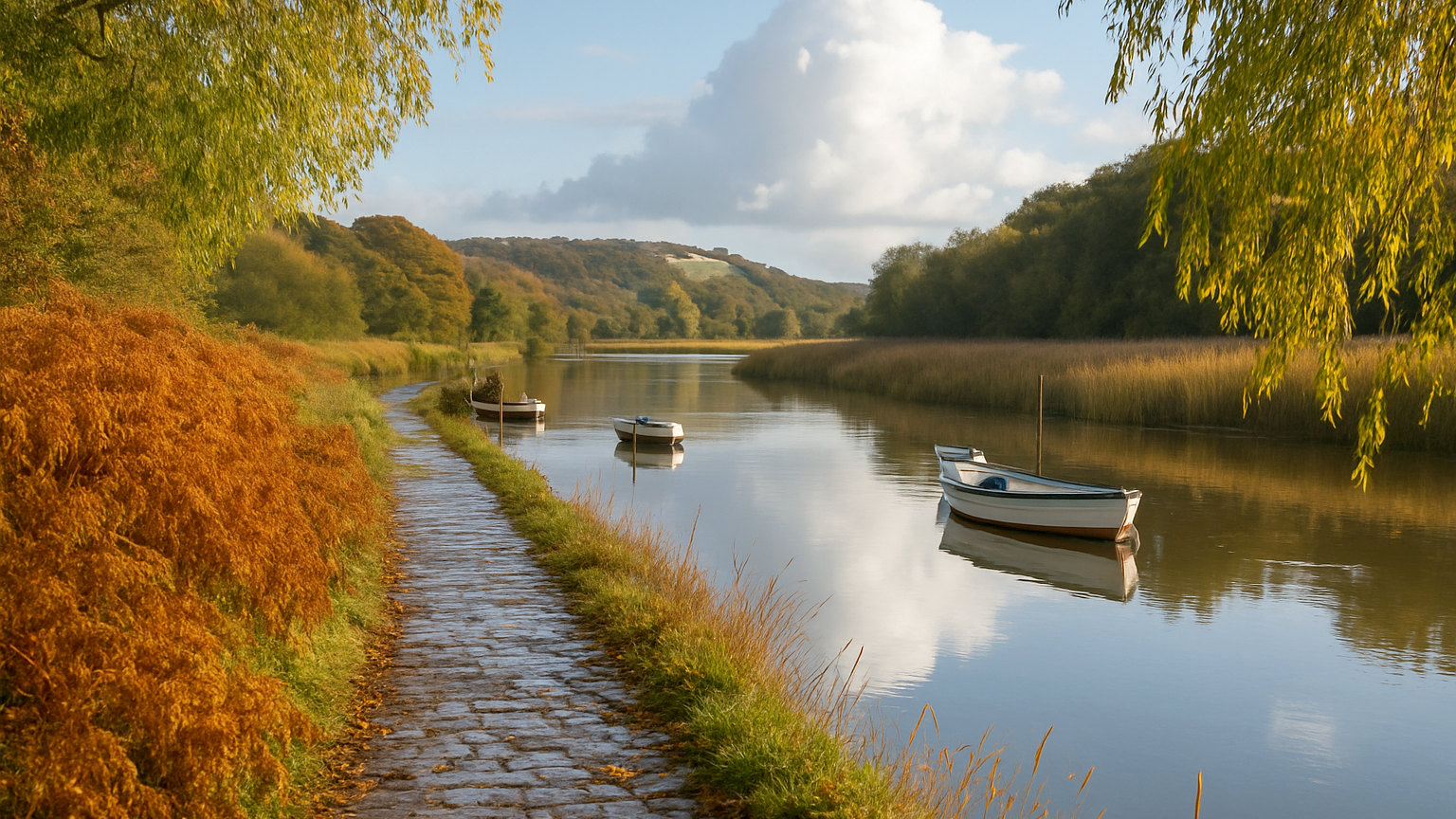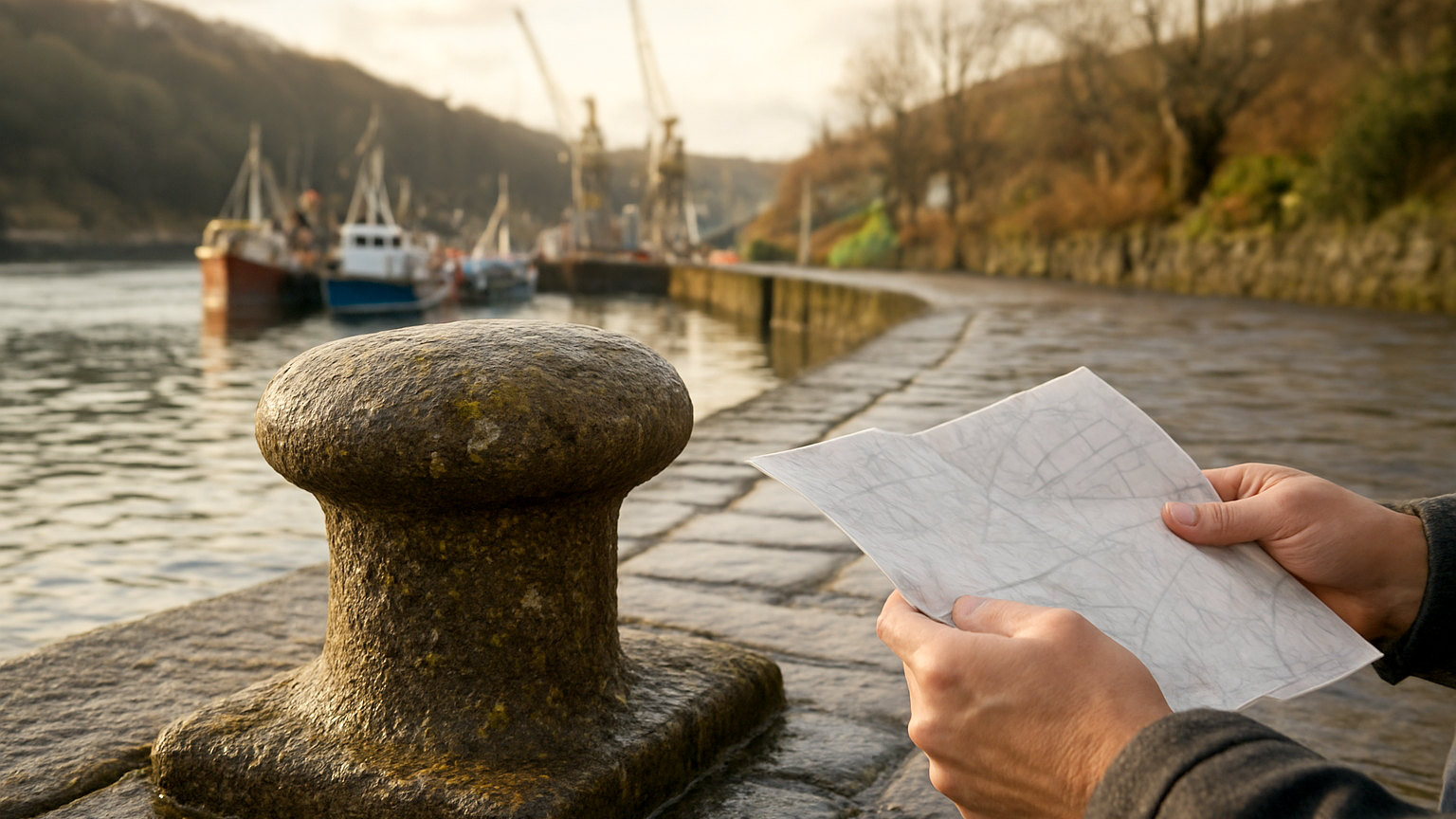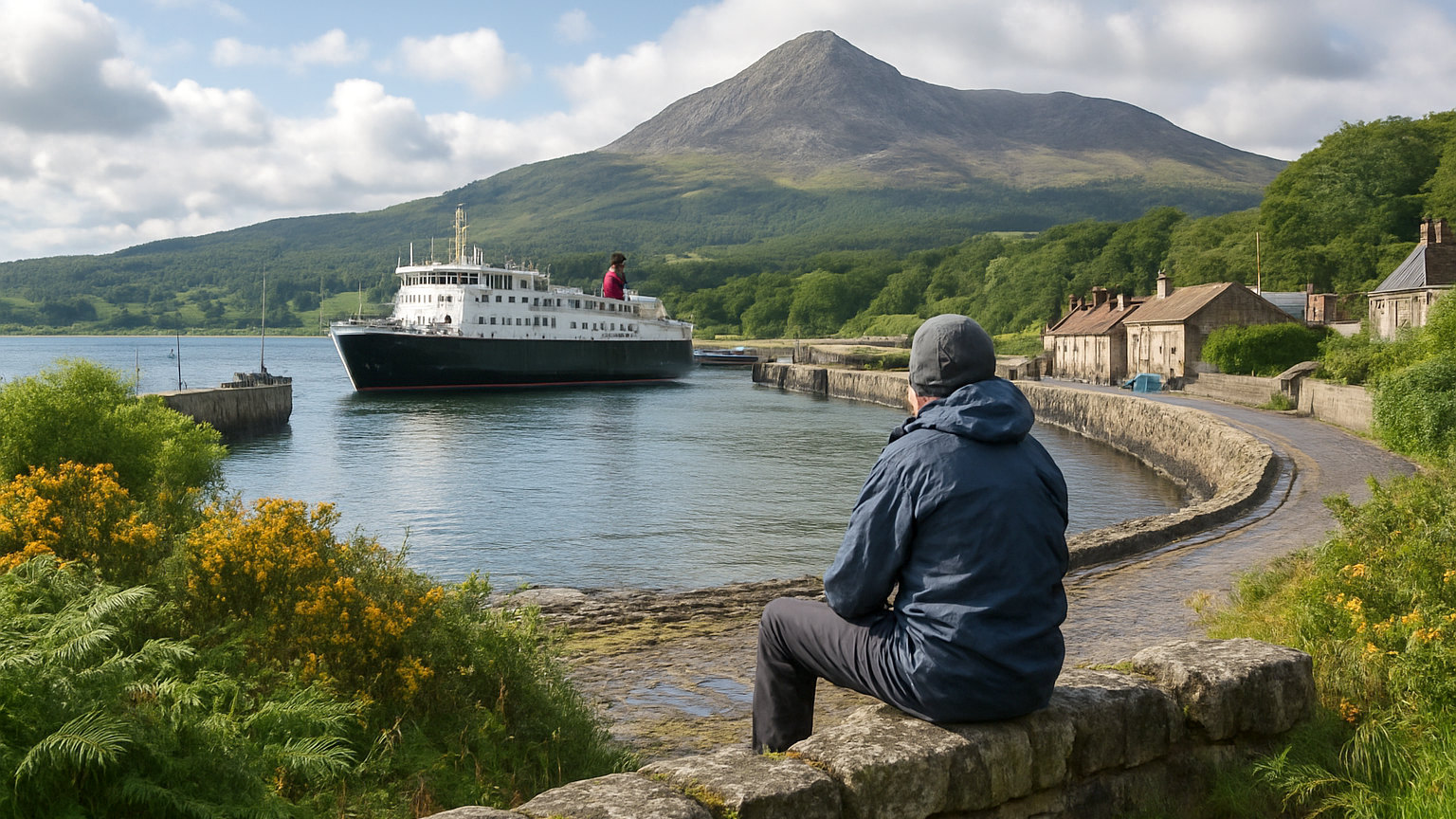
Britain has around a thousand islands and perhaps a hundred with permanent populations. The difference between reaching the easiest and the hardest is enormous: some are a twenty minute crossing from a mainland town, while others involve a flight, an overnight ferry and a wait for weather. Getting that calculation right is the difference between an island fitting into a week and consuming it.
Which are the quickest to reach?
The Isle of Wight, with crossings from Portsmouth, Southampton and Lymington taking between ten and forty five minutes and running very frequently. Anglesey is reached by road bridge and needs no ferry at all.
Skye is also connected by bridge, and the Argyll islands of Bute and Arran are short crossings from the Clyde coast, easily reached from Glasgow. All of these work as a long weekend without losing days to travel.
Which need a full day each way?
Shetland, the Outer Hebrides and the Isles of Scilly. The overnight ferry from Aberdeen to Lerwick takes twelve to fourteen hours, and the crossing from Ullapool to Stornoway is around two and a half hours on top of a long drive north.
Scilly involves reaching Penzance or one of the small airports in the far south west first, which from most of Britain is already most of a day. For all three, flying removes the travel day at a cost.
Where does Orkney sit?
In the middle, and more accessible than most people assume. The shortest crossing, from Gills Bay near John o' Groats, takes about an hour, and Scrabster to Stromness around ninety minutes. Flights run from Aberdeen, Edinburgh, Glasgow and Inverness.
The difficulty is reaching the north Caithness coast in the first place, which is a long drive or a train from Inverness. Flying into Kirkwall solves that entirely and is worth pricing.
Which islands can you fly to?
More than expected. Islay, Tiree, Barra, Benbecula, Stornoway, Campbeltown, Kirkwall, Sumburgh, the Isle of Man, Jersey, Guernsey and the Scillies all have scheduled air services.
Barra is the only airport in the world with scheduled flights landing on a beach, with timetables that change daily according to the tide. Flights to the smaller islands use small aircraft with tight baggage limits and are cancelled in poor weather more often than mainland services.
What about the Crown Dependencies?
The Isle of Man and the Channel Islands are not part of the United Kingdom, though travel from Britain is straightforward. Ferries run to the Isle of Man from Heysham and Liverpool, and to Jersey and Guernsey from Poole and Portsmouth.
Flights serve all of them from a range of British airports. Photographic identification is required even though these are domestic style journeys, and each has its own immigration rules for other nationalities.
How long should you allow for each?
For the bridge connected and short crossing islands, two or three nights works. For Mull, Islay, Arran and Orkney, four or five. For the Outer Hebrides, Shetland and Scilly, a week is the sensible minimum once travel days are counted.
A useful rule is to add one full day at each end for anything requiring a long ferry, and to never plan a tight connection on the return, because a cancelled sailing can cost a day.
What should you book first?
The crossing, particularly if you are taking a vehicle. Car spaces on the popular summer sailings to Mull, Islay, Harris and Orkney sell out months ahead, and accommodation on small islands is limited enough that it goes at the same pace.
Book the ferry and the beds together, in that order, and only then plan what you will do when you get there. Turning up hoping to travel is how island trips fail before they start.
What is the most common planning mistake?
Treating the ferry as the whole journey. Reaching Oban, Ullapool or Scrabster is itself a substantial drive from most of Britain, and visitors regularly book a morning sailing without allowing for the six hours needed to get to the port. Work backwards from the check in time, which is usually thirty to forty five minutes before departure for vehicles, and add a night near the port if the drive is long.