Jersey lies fourteen miles from France and around a hundred from England, is self governing with its own parliament and currency, and is not part of the United Kingdom. It is also the sunniest place in the British Isles and has a tidal range among the largest in the world.
What is its status?
A Crown Dependency, with its own government, legal system and taxes, defended and represented internationally by the United Kingdom but not part of it and never part of the European Union.
It issues its own currency at parity with sterling. British notes are accepted there; Jersey notes are generally refused in Britain, so spend them before leaving.
What are the beaches like?
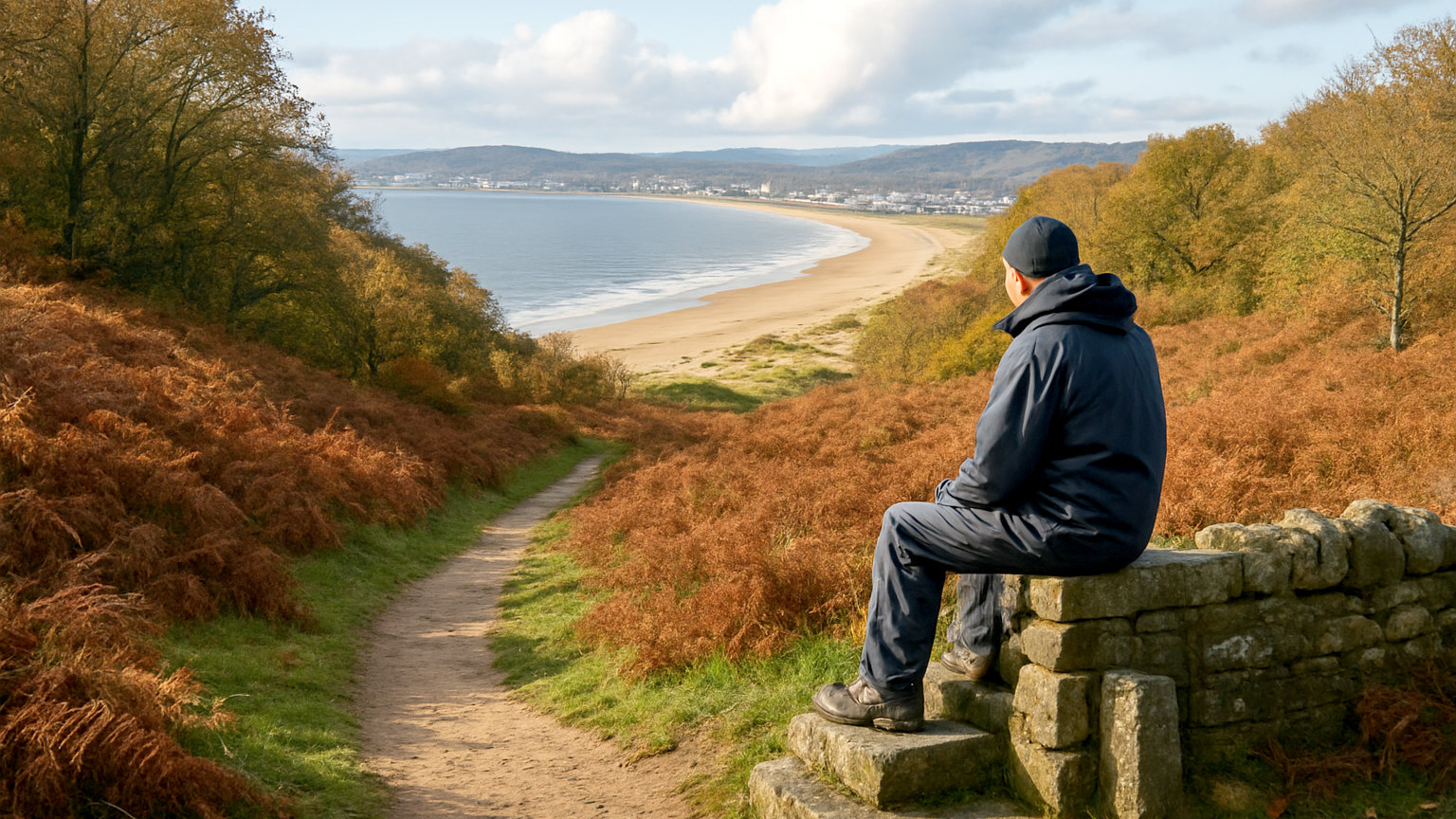
Excellent and numerous. St Ouen's Bay runs for five miles down the west coast and is the surfing beach. St Brelade in the south is sheltered and family oriented, and the north coast holds small sandy coves beneath cliffs.
The tidal range exceeds twelve metres on spring tides, which means the island's area changes visibly between high and low water.
What should you know about the tides?
That they are exceptional and genuinely dangerous. The sea comes in across flat sand faster than a person can walk in places, and people are cut off regularly.
Check tide times before walking out to any offshore feature, and follow local signage exactly. Guided walks cross to an offshore reef at low water and should not be attempted independently.
What is the occupation history?
The Channel Islands were the only British territory occupied by German forces during the Second World War, from 1940 to 1945, and the physical evidence is everywhere in bunkers and fortifications.
A tunnel complex built by forced labour is now a museum and is the most affecting site on the island. It covers the occupation, deportations and the deaths of forced workers directly.
What else is there to see?
Mont Orgueil, a medieval castle above Gorey harbour, and Elizabeth Castle in St Aubin's Bay, reached on foot at low tide or by amphibious vehicle.
A zoological park founded by a well known conservationist, focused on endangered species breeding, and a network of green lanes with a low speed limit favouring walkers and cyclists.
What is St Helier like?
The capital, a working town rather than a resort, with a covered market, a maritime museum and the finance industry that dominates the island's economy.
Most visitors stay outside it, since the coast is the point.
How do you get there?
By air from a good many British airports in around an hour, or by ferry from Poole and Portsmouth, which takes considerably longer and allows a vehicle.
Ferries also run to France and to Guernsey.
Do you need a passport?
Identification is required and airlines and ferry operators set their own requirements, so check before travelling. Immigration arrangements differ from the mainland.
Mobile roaming is not always covered by British inclusive allowances, so check with your provider or you may return to unexpected charges.
What should you eat?
Seafood, particularly oysters and scallops from the bay, and Jersey Royal potatoes, which have protected status and are grown on the island's steep south facing slopes in a short spring season.
Jersey cream and butter, from the island's distinctive cattle breed.
How long do you need?
Three or four nights. The island is small enough to cross in half an hour and holds more than that suggests.
May and June are the best months, with the potatoes in season, long days and the weather at its most settled.
How do you get around?
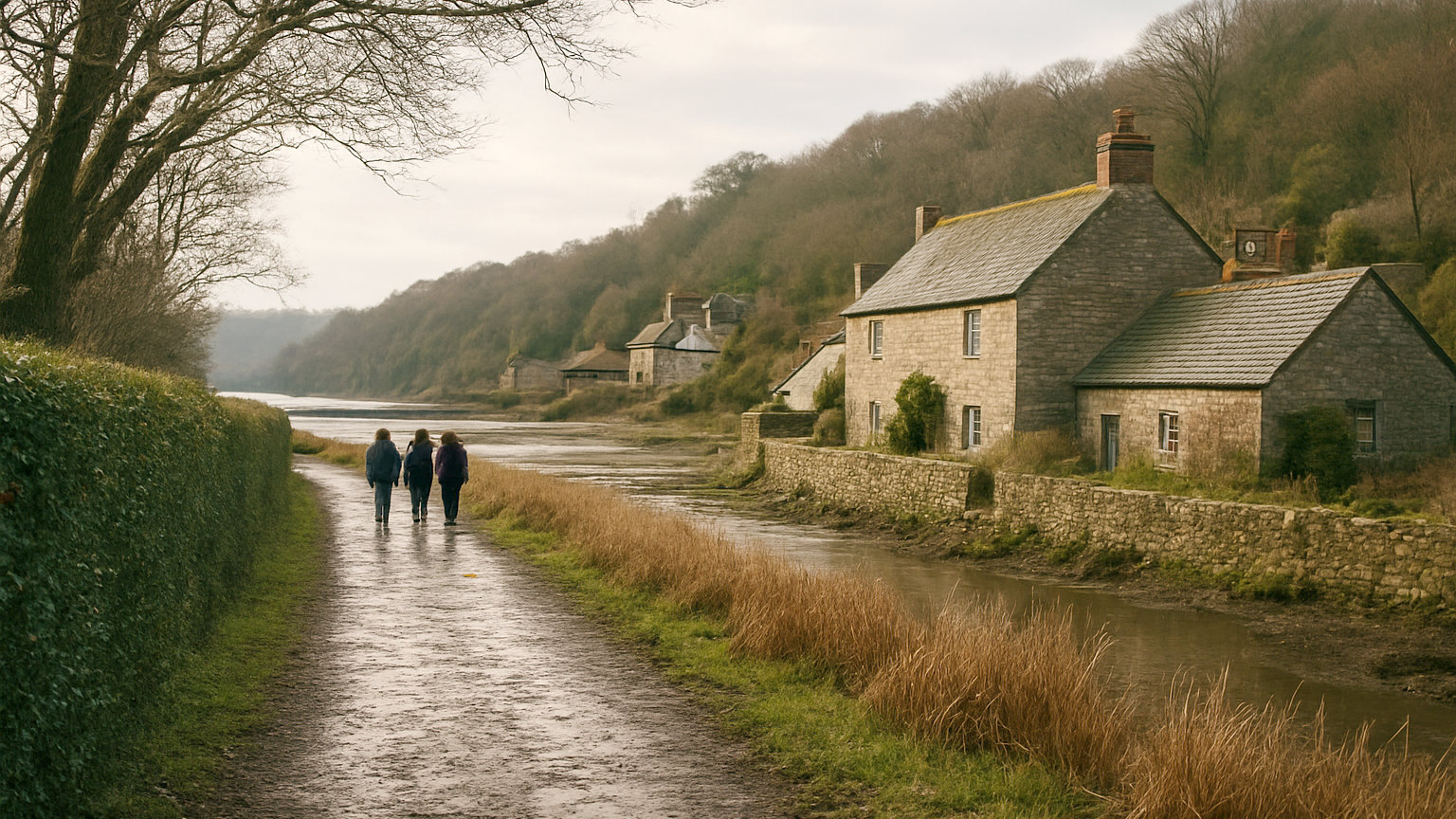
Buses cover the island reasonably well and a network of green lanes carries a fifteen mile an hour limit with priority for walkers, cyclists and horses. Car hire is available and the island is small enough that a bicycle works for most purposes. Parking in St Helier uses a paid card system bought in advance rather than meters, which catches visitors out.
What about the wartime tunnels specifically?
The underground hospital complex was dug into a hillside by forced and slave labourers brought from occupied Europe, a substantial number of whom died. The museum states this directly rather than presenting the tunnels as an engineering curiosity, and it is the reason the site is worth the visit. Allow more time than you expect and be prepared for it to be sobering.