Sark is a small island between Guernsey and France with a population of around five hundred, no cars, no street lighting and no airport. It became the first designated dark sky island in the world and it operates in a way that no other place in these islands does.
Why are there no cars?
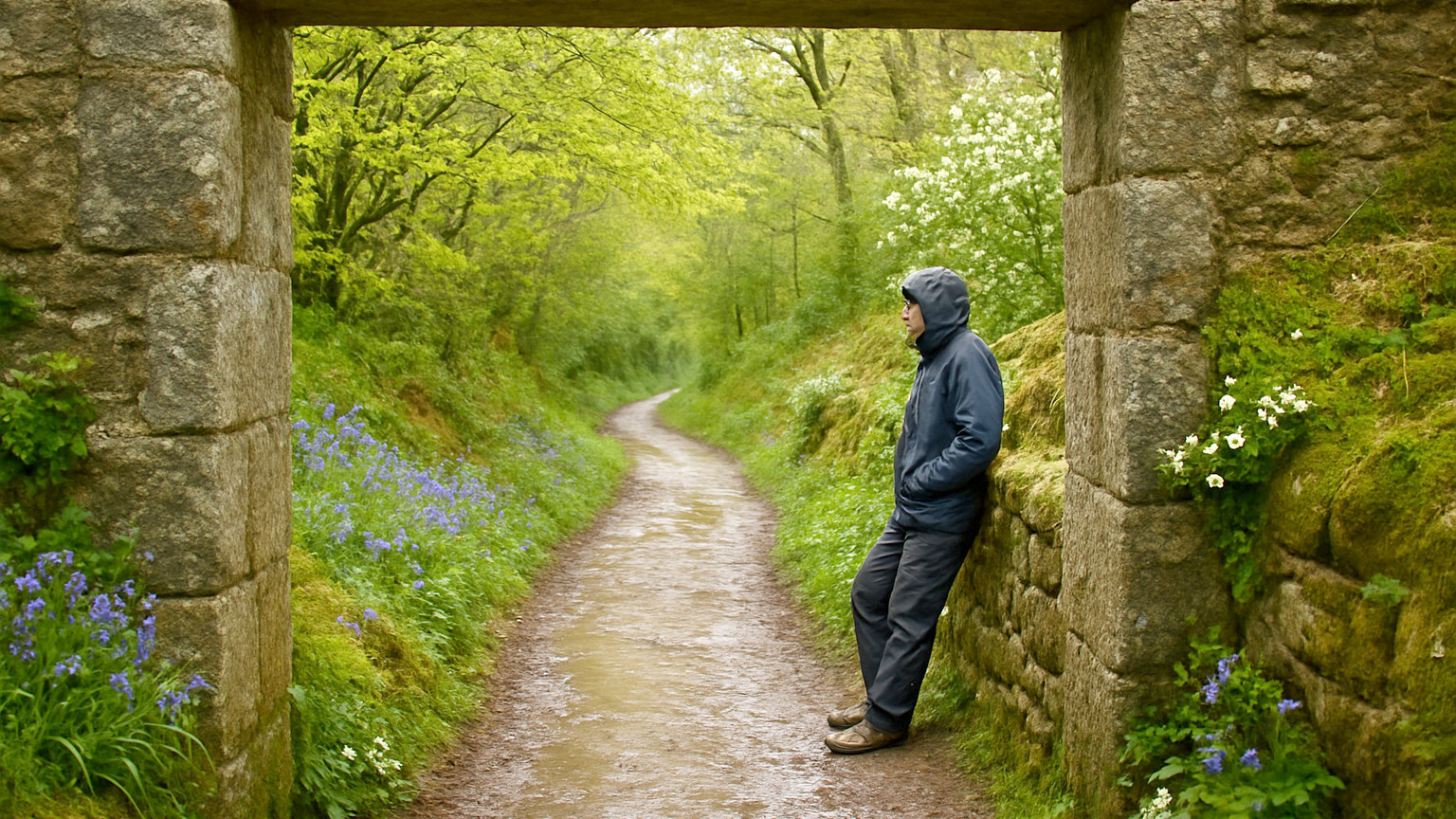
They are prohibited. Transport is by foot, bicycle, horse drawn carriage and tractor, the last being permitted for agriculture and haulage.
The effect on arriving is immediate and is the single most striking thing about the island. The only sounds are birds, wind and occasionally hooves.
How do you get there?
By boat from Guernsey, taking under an hour, with sailings that reduce in winter and are cancelled in rough weather.
The harbour sits below cliffs and a tunnel leads to a hill up which a tractor drawn bus carries visitors and luggage.
What is La Coupee?
An isthmus connecting the main island to Little Sark, a narrow ridge with drops of around eighty metres on both sides and a road across the top with railings.
It was built by German prisoners of war after the occupation. Crossing it is the defining Sark experience and is not for anyone troubled by exposure.
What is there to do?
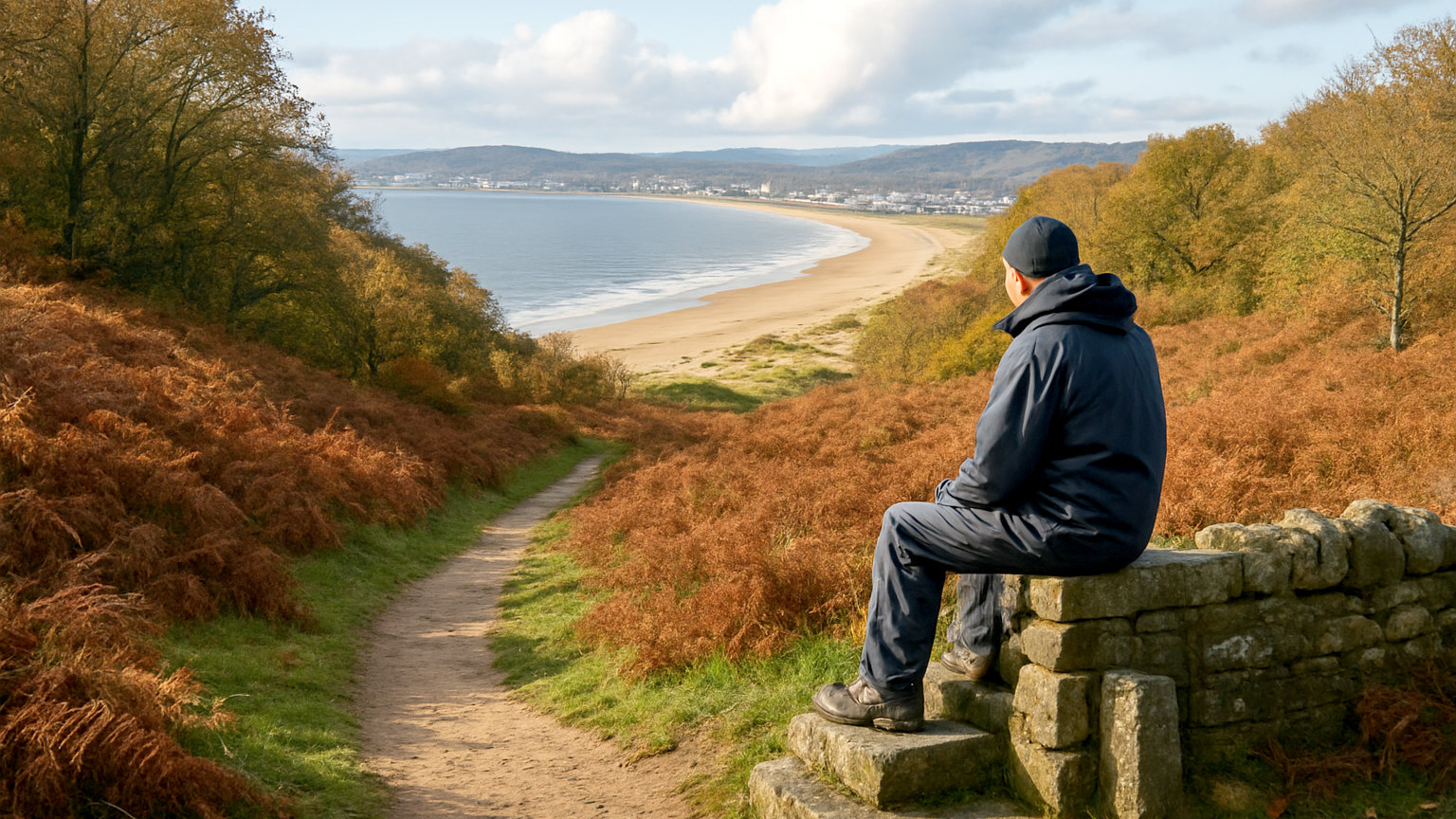
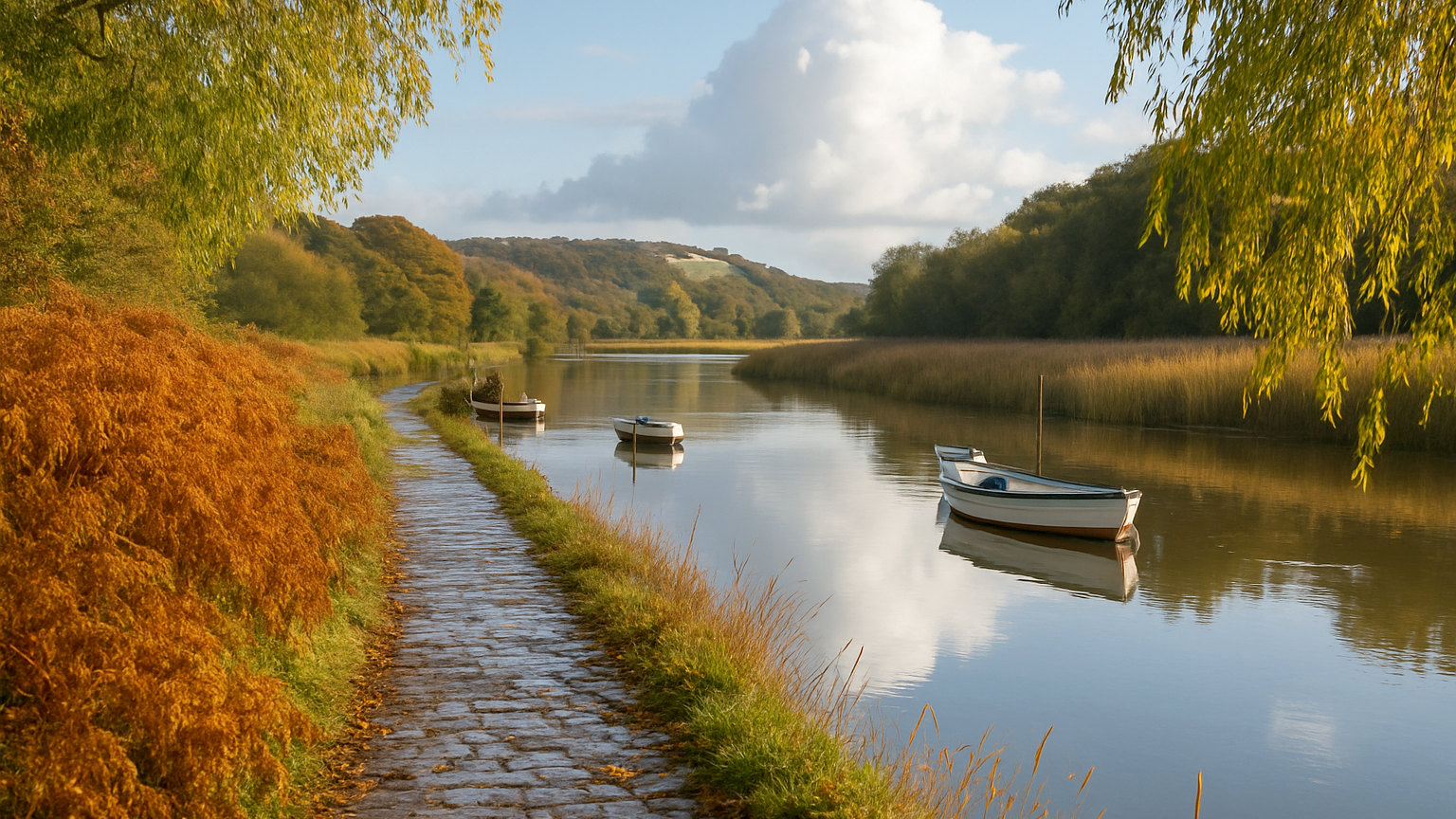
Walk and cycle, principally, on lanes and cliff paths with views to the other islands and France. Swim in bays reached by steep descents.
Visit the gardens at the seigneurie, the historic seat of the island's feudal lord, and the silver mines on Little Sark, which failed in the nineteenth century.
What about the dark skies?
With no street lighting and no cars, the night sky is exceptional and the island was the first anywhere to receive dark sky island status.
Take a torch, since the lanes are genuinely dark, and allow time outside after nightfall, which is much of the reason people stay overnight rather than visiting for a day.
How is it governed?
Unusually. Sark retained a feudal system until reforms in 2008 introduced a fully elected parliament, and it remains one of the smallest self governing territories in the world.
It is part of the Bailiwick of Guernsey and, like the other Channel Islands, is not part of the United Kingdom.
What should you take?
Cash, since card facilities are limited. A torch. Comfortable shoes, since everything involves walking or cycling and the hills are steep.
Anything you might need, since the shops are few and small and there is no chemist in the mainland sense.
Can you stay overnight?
Yes, in a small number of hotels, guest houses and campsites, all of which are limited and book ahead in summer.
Staying is strongly recommended, since a day trip gives a few hours and the island is at its best in the evening when the boat visitors have gone.
Who does it suit?
Anyone who wants quiet, walking and stars, and anyone curious about a place that has deliberately not modernised.
It suits poorly anyone with mobility difficulties, given the hills and the absence of vehicles, or anyone needing reliable connectivity and services.
How long do you need?
Two nights, which allows a full day on the island and an evening under the stars. A day trip is possible and shows you a fraction of it.
Summer for the boats and the weather, though the island is at its quietest and most characteristic in spring and autumn.
What about Brecqhou?
A small island immediately west of Sark, privately owned and not open to visitors, visible from the cliff path and from La Coupee. Its ownership has been the subject of prolonged and well documented dispute with the Sark authorities, which contributed to the constitutional reforms of 2008. It is worth knowing about, since visitors invariably ask what it is.
One final point: there is no hospital and limited medical provision, and evacuation in an emergency depends on the boat or a helicopter. Anyone with a condition requiring ready access to care should factor that in before booking.