There is no single best time to visit England, only a best time for the trip you have in mind. A walker, a city breaker and a family with two children under ten want different weather, different daylight and different prices, and the month that serves one of them badly serves another well. The useful question is not when England is at its best but when it is at its best for you.
What does each season actually feel like?
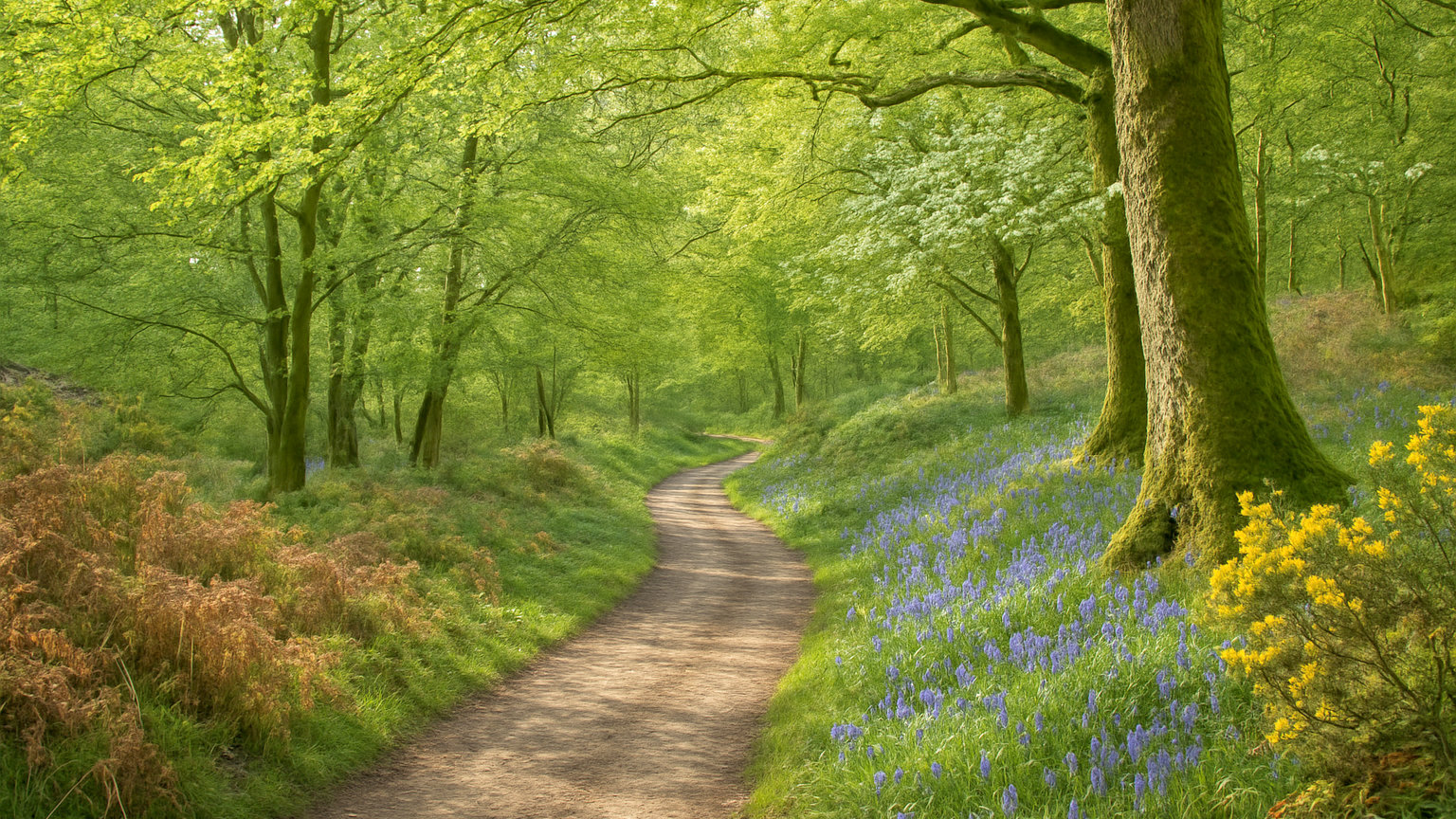
Spring runs from late March to May and is arguably the strongest all-round season. Gardens and woodland are at their most photogenic, lambing is underway, and the crowds have not arrived. The weather is unreliable but rarely severe, and daylight lengthens quickly.
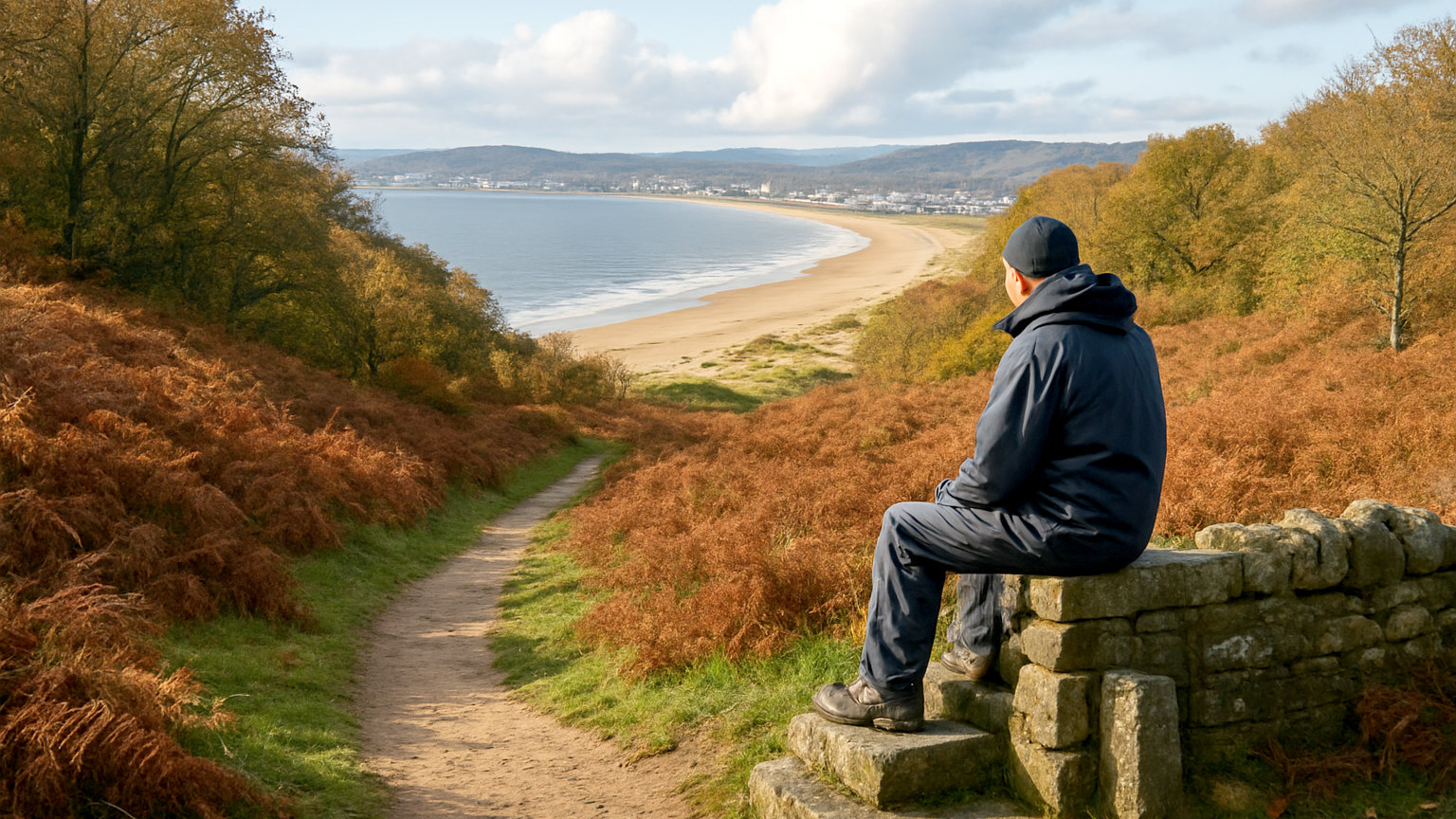
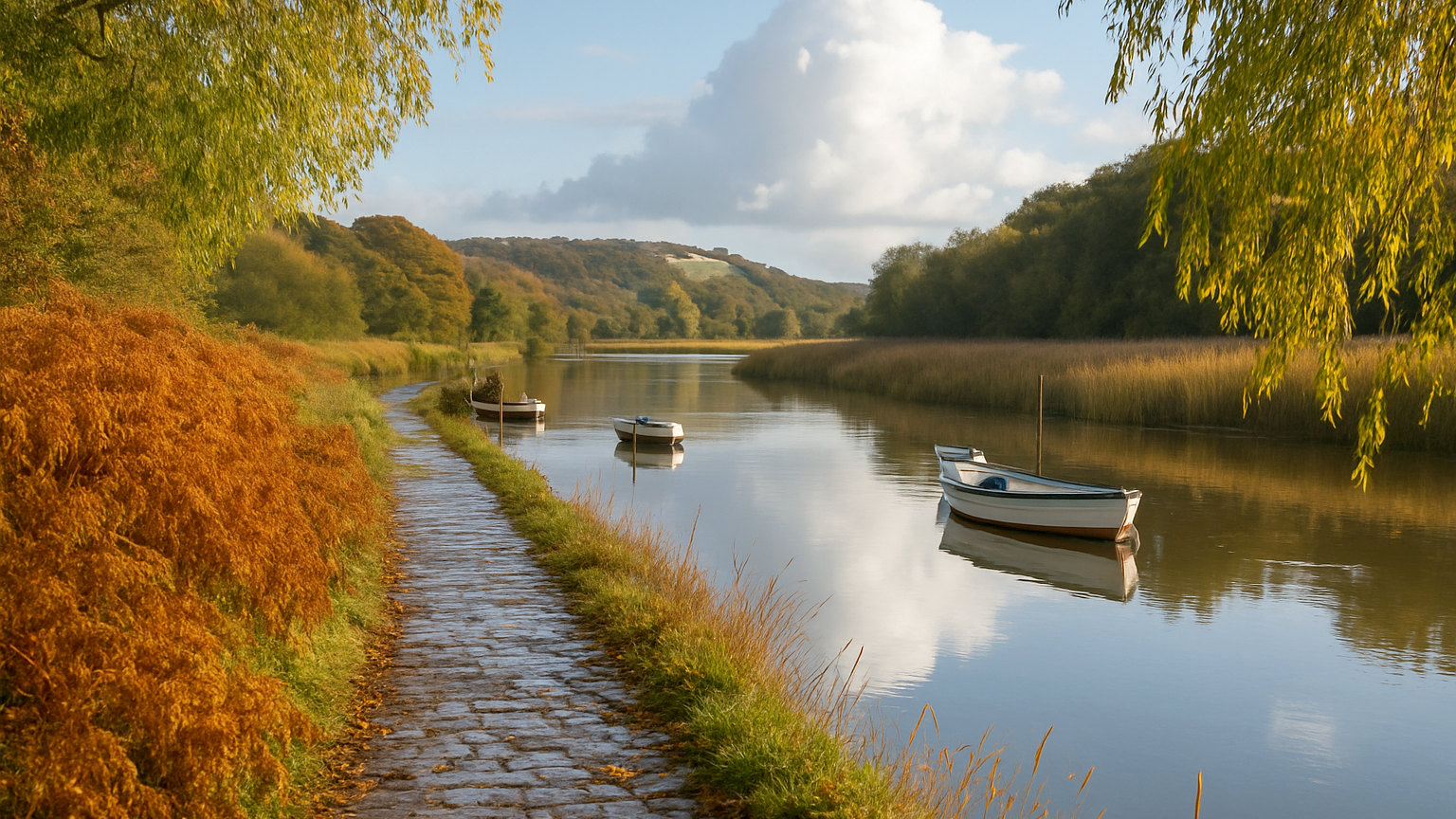
Summer brings the warmest weather and the longest evenings, along with every family in the country. Autumn, from late September through October, gives colour, low light and much lower prices. Winter is dark and damp but delivers empty museums, cheap city hotels and coastline you will have to yourself.
Which months are busiest and why?
The pattern follows school terms rather than weather. Late July and the whole of August are the peak, when English schools break up and prices in Cornwall, Devon and the Lake District can double. The late May half term and the two weeks around Easter produce shorter, sharper spikes.
If you have no children in school, the weeks either side of these dates are the single biggest saving available on an English holiday. Early July and the first half of September offer nearly identical weather at a fraction of the accommodation cost.
How much does the weather really vary?
Less than its reputation suggests. England rarely gets very hot or very cold, and the practical difference between June and September is small. What changes most is daylight: midsummer gives you well over sixteen hours in the north, while December gives you under eight, which matters enormously if you are driving between places or walking.
Rain is spread through the year rather than concentrated in a monsoon season. The west and the uplands are considerably wetter than the east, so Cumbria and Devon see far more rainfall than Norfolk or Kent in the same week.
When should you visit the coast?
Sea temperatures lag behind air temperatures by roughly two months, which means the water is at its warmest in late August and September rather than in June. If swimming matters, September beats early summer despite feeling counterintuitive.
Coastal towns also change character sharply out of season. Some become quietly appealing, with restaurants still open and beaches empty. Others largely shut, so it is worth checking whether the place you have chosen trades year round before booking a November weekend.
Why do so many people get the timing wrong?
Two reasons. The first is booking around the weather forecast, which in England cannot be usefully predicted more than a few days out, so planning a trip in April for a sunny week in July is guesswork. The second is underestimating how much the school calendar drives price and crowding compared with the actual season.
The more reliable approach is to plan for what is fixed. Daylight hours, seasonal events, garden opening times, whether a mountain road is open and when the school holidays fall are all known months in advance. Build the trip around those and treat the weather as something to pack for rather than plan around.
Which month offers the best overall value?
For most visitors it is late September or early October. Accommodation prices have dropped from the summer peak, attractions are still fully open, the light is at its best for photographs, and the autumn colour begins in the second half of October in most of the country.
May is the close runner up, with long evenings, low rainfall by English standards and everything open for the season. Both months give you a country that is functioning normally rather than either overwhelmed or half closed, which is usually what makes a trip feel easy.
What should you decide first?
Fix the type of trip before the dates. If you want long walking days, you need May to September for the daylight. If you want cities, museums and pubs, winter is cheaper and no less enjoyable. If you want gardens, late April to June is not negotiable. Once the trip type is settled, the right month usually chooses itself.