Bristol was one of the great trading ports of England, grew wealthy on the transatlantic slave trade and later on tobacco and chocolate, and is now among the most distinctive cities in the country, with a harbour in the middle, a strong independent economy and a well established street art tradition.
What should you see first?
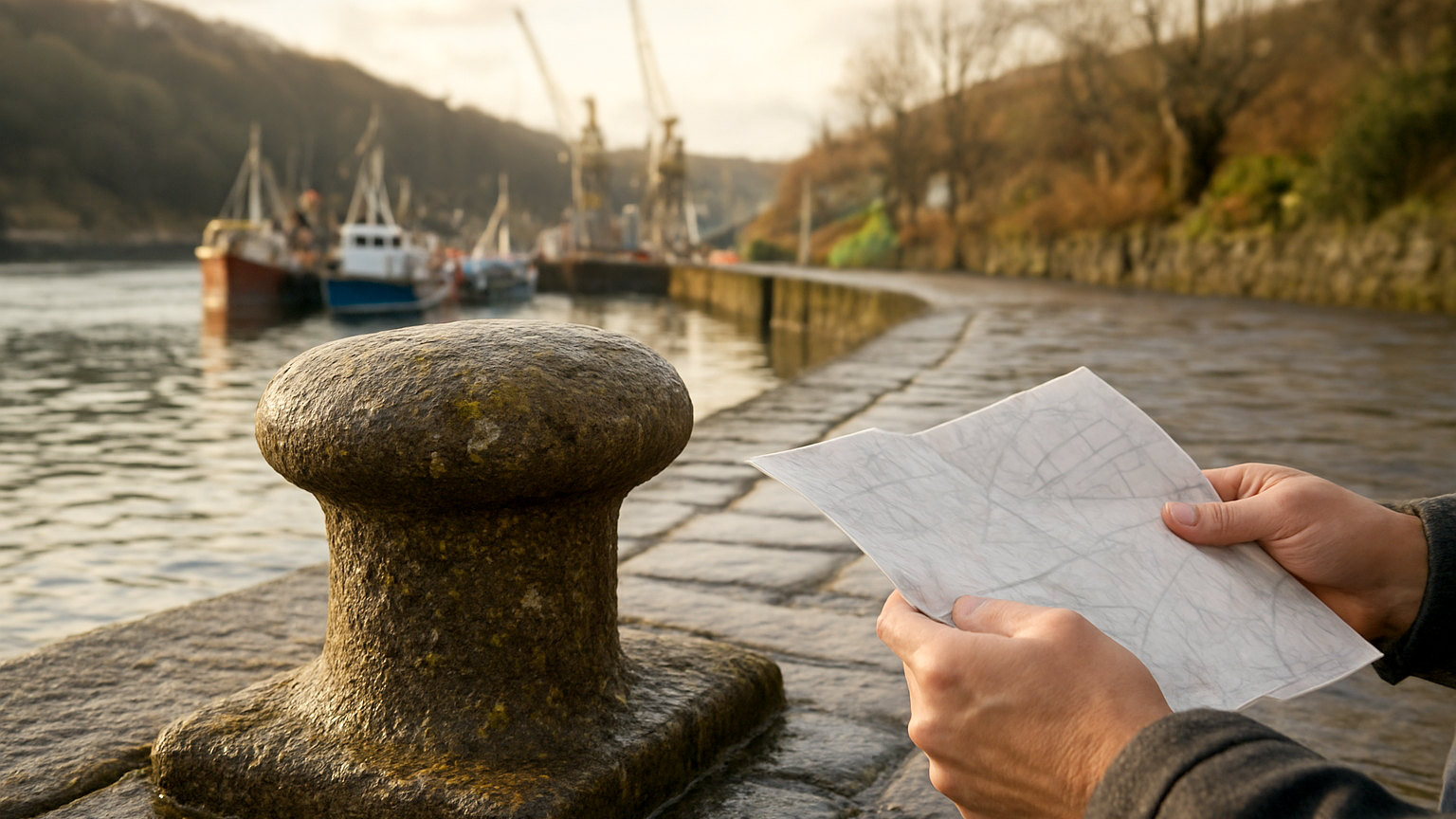
The harbourside, where the floating harbour keeps water at a constant level in the middle of the city, lined with converted warehouses, museums, bars and a working dockyard.
Ferries run around it, which is the best way to see the layout and costs very little.
What is the SS Great Britain?
The first iron hulled, screw propelled ocean liner, designed by Brunel, preserved in the dock where she was built, with the hull viewable from beneath a glass sea that keeps it dry.
It is among the best maritime attractions in Britain and covers the passenger experience as well as the engineering.
What about the suspension bridge?
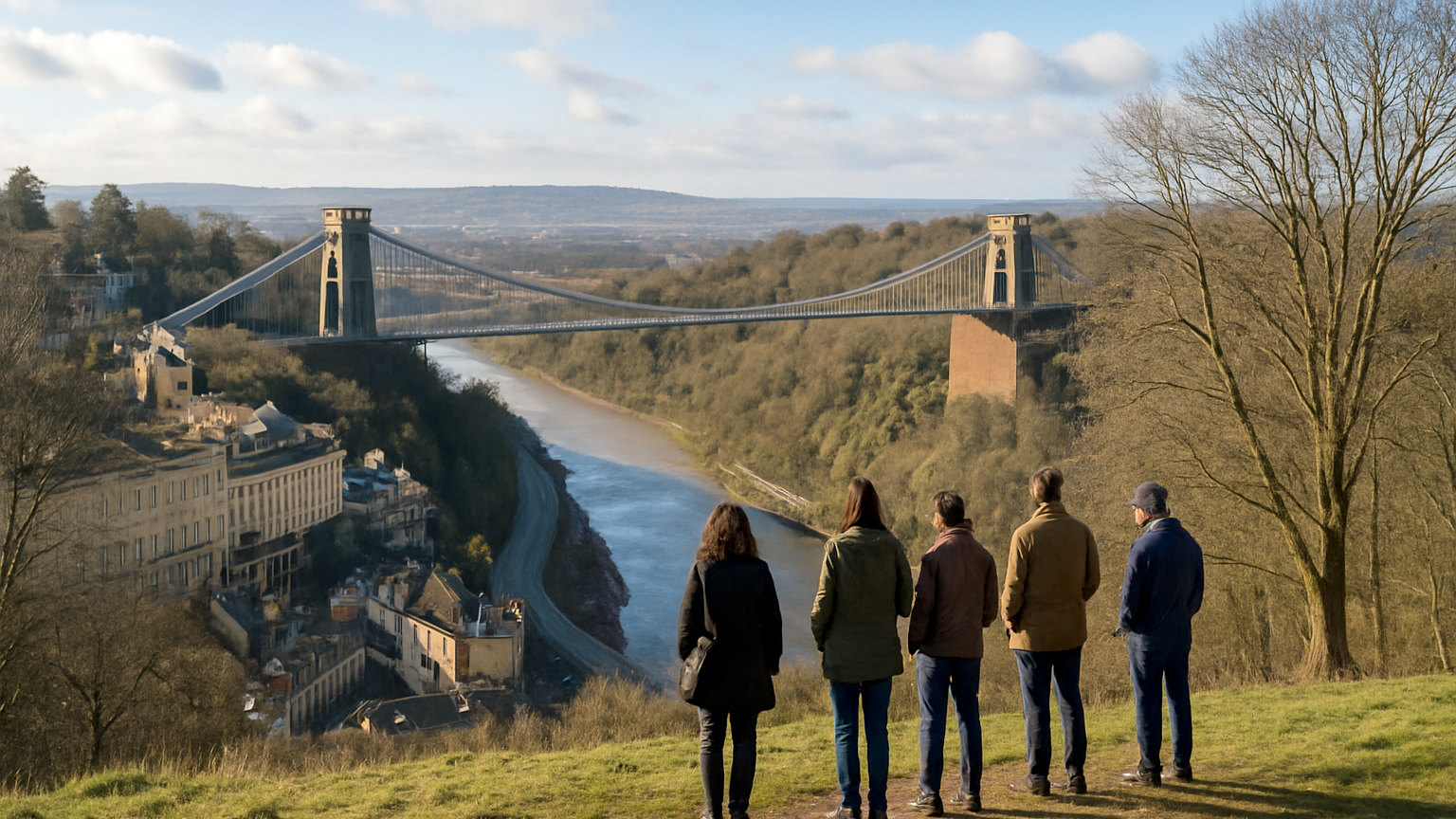
Brunel's bridge across the Avon Gorge at Clifton, opened after his death, spanning a limestone gorge with the river far below and walkable free of charge.
The gorge itself holds rare plants and peregrines, and the downs above are open ground within the city.
How does the city handle its slave trade history?
Increasingly directly. Bristol merchants were heavily involved in the transatlantic trade, and street names and buildings across the city carry that legacy.
A statue of one such merchant was pulled down and thrown into the harbour during protests in 2020 and is now displayed lying down, with its condition unaltered, as part of an exhibition about the events. The museums cover the trade explicitly.
What about the street art?
A long tradition with an internationally known artist among its products, and a great deal of high quality work across the city, particularly in Stokes Croft and Bedminster.
An annual festival adds new work to the same walls each year, and self guided trails cover the main pieces.
Which areas should you walk?
Clifton for Georgian terraces and the bridge. Stokes Croft for street art and independents. Gloucester Road, which is claimed as one of the longest continuous stretches of independent shops in Europe.
Old Market, Bedminster and the harbourside all reward an hour.
Where should you eat and drink?
Widely and well. Bristol has a strong independent food scene, several long established brewing operations and a substantial number of markets and food halls.
It is cheaper than London and comparable in quality, which is why a good many people move here from it.
How do you get around?
On foot and by ferry in the centre, which is compact but hilly. Buses serve the wider city and there is no tram or metro.
Trains run to London in around ninety minutes and to Cardiff in fifty.
What is nearby?
Bath in fifteen minutes by train, the Mendips and Cheddar Gorge, the Somerset Levels, the Wye Valley and the Forest of Dean, and the Cotswolds to the north east.
The Severn estuary and the two bridges to Wales are on the western edge of the city.
How long do you need?
Two or three nights for the city, and it works well as a base for the west country and south Wales.
It is best in spring and summer when the harbour is at its most active, though the museums cover a wet day easily.
What about the hot air balloons?
Bristol holds a balloon fiesta each August, one of the largest in Europe, with mass ascents at dawn and dusk from a park south of the city. Balloons are also a regular sight over the city on still mornings through the summer, launching from the harbourside and drifting across the gorge, which is free to watch from anywhere with a view.
One final note on getting about: Bristol is hillier than visitors expect, with steep climbs between the harbour and Clifton. The ferry, the buses and a certain willingness to walk uphill are all part of using the city properly.