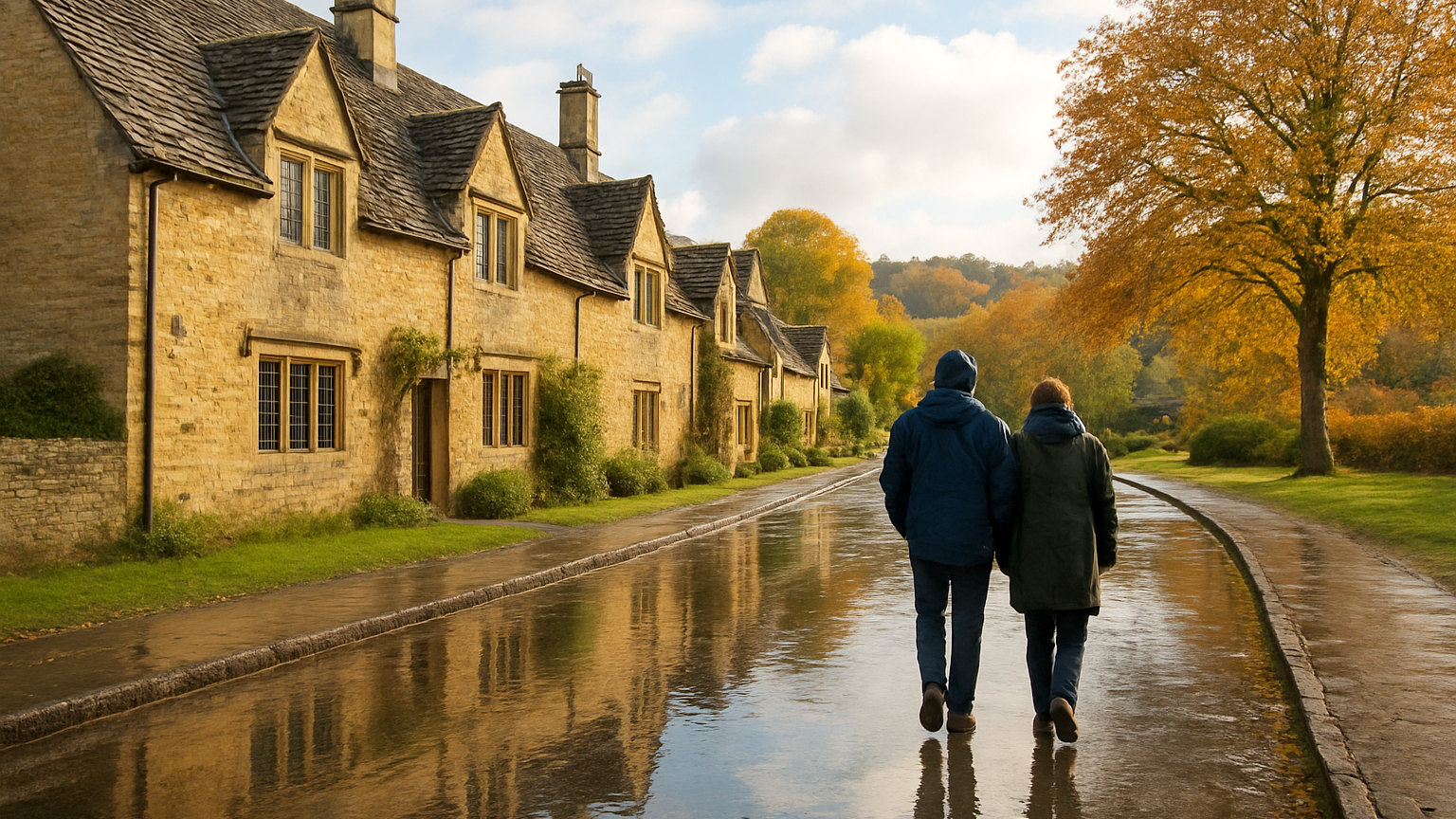
The Cotswolds cover around eight hundred square miles across six counties, and the honey coloured stone that gives the area its character is spread across dozens of villages rather than concentrated in a handful. The difficulty is that visitor traffic is concentrated, and four or five villages absorb the overwhelming majority of it while equally attractive places a few miles away stay quiet.
Which villages are genuinely worth the stop?
Bibury, Castle Combe, Bourton on the Water, Stow on the Wold and Broadway are the famous ones and they are famous for good reason. Each is genuinely beautiful and each is also, in July, extremely crowded. They are worth seeing if you arrive before about half past nine or after about five.
The quieter alternatives that deliver almost as much are Snowshill, Stanton, Guiting Power, Blockley, Bledington and the Duntisbourne villages. Several sit within a couple of miles of the busy ones, which means you can see both in a morning without adding meaningful driving.
What makes a Cotswold village worth a detour?
Three things, and you can assess them before you go. Whether the buildings are consistently in local stone rather than mixed with later development, whether the village has a working pub or shop that gives you a reason to stop for an hour, and whether there is somewhere legal and sensible to park.
Villages that fail the third test are frequently the most attractive ones. Bibury in particular has limited parking against very high demand, and the resulting congestion on a narrow road through the village is the main complaint visitors report.
When should you arrive to avoid the crowds?
Early morning is transformative. Coach tours generally arrive from mid morning and depart by late afternoon, so a village visited at eight is a different place from the same village at noon. Evening works nearly as well and has the advantage that pubs are open.
Season matters less than time of day. A weekday in October is quieter than a weekend in July, but an early Saturday in July is quieter than a midday Wednesday in October, because the coach schedule dominates.
Where should you base yourself?
Staying overnight in the Cotswolds changes the experience completely, because you get the villages in the hours when day visitors are not there. Northleach, Winchcombe, Chipping Campden and Painswick all make good bases: each has places to eat, a reasonable spread of accommodation and easy access to several villages.
Avoid basing yourself purely on proximity to the most famous village. You will see it more comfortably at seven in the morning from ten miles away than at midday from next door.
How much time do you need?
Two nights lets you see the northern or the southern Cotswolds properly. Trying to cover both in a weekend means a great deal of driving on lanes that are slower than they look. Three or four nights lets you take in both plus one of the market towns such as Cirencester or Tetbury.
A single day is enough for three or four villages if they are clustered. Bourton, the Slaughters and Stow sit close together and make a natural half day. Broadway, Snowshill and Stanton form another.
Why do some visitors leave disappointed?
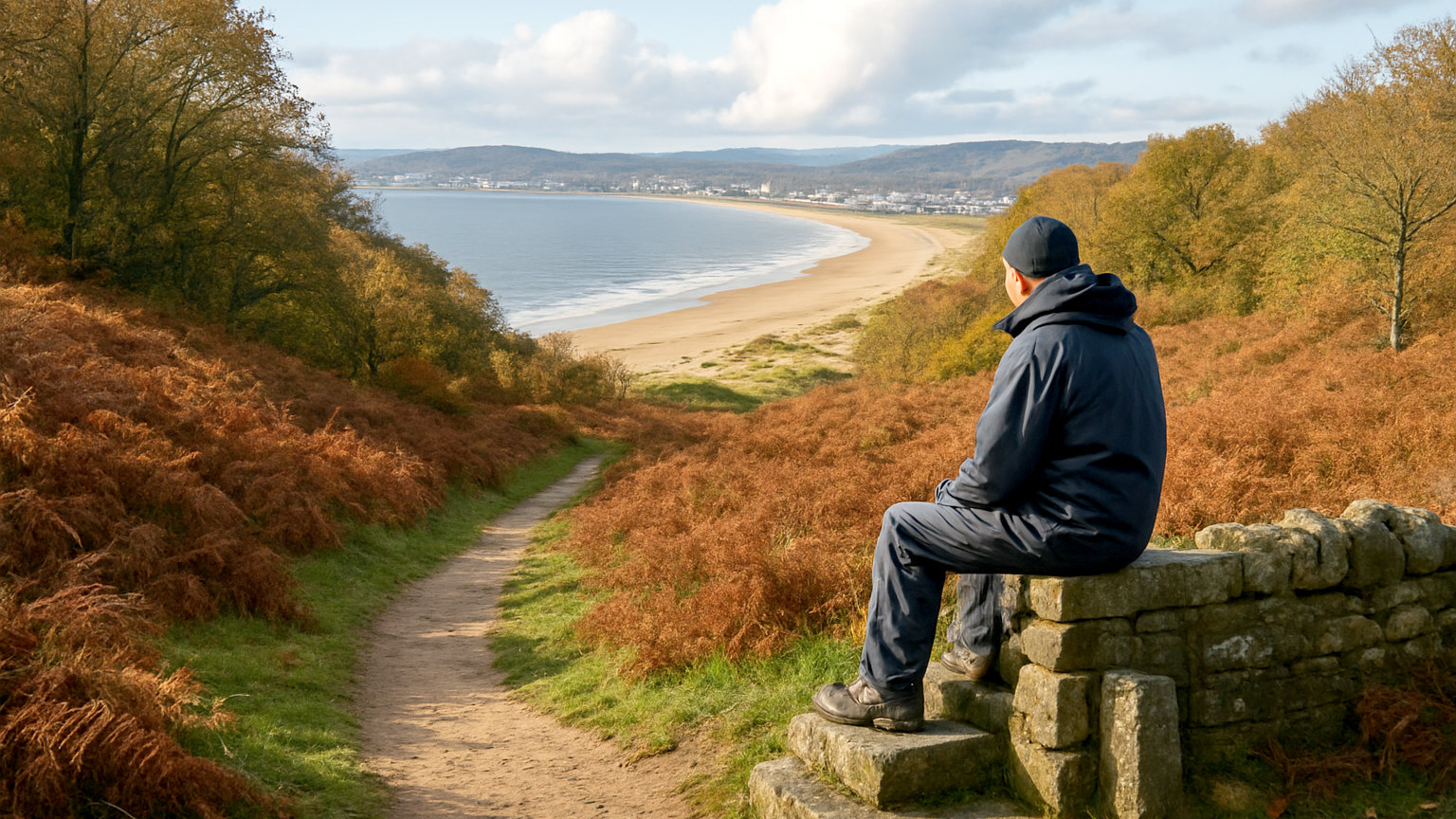
Usually because they visited only the busiest villages at the busiest hours, and because they expected the countryside to be dramatic. The Cotswolds are gentle rather than spectacular: rolling hills, dry stone walls, beech woods and long views rather than mountains. Visitors arriving from the Lake District or Snowdonia sometimes find the landscape underwhelming by comparison.
The appeal is architectural and agricultural rather than scenic. Approached that way, with a walk between two villages rather than a drive between five car parks, the area consistently rewards the time.
What is the best way to see them?
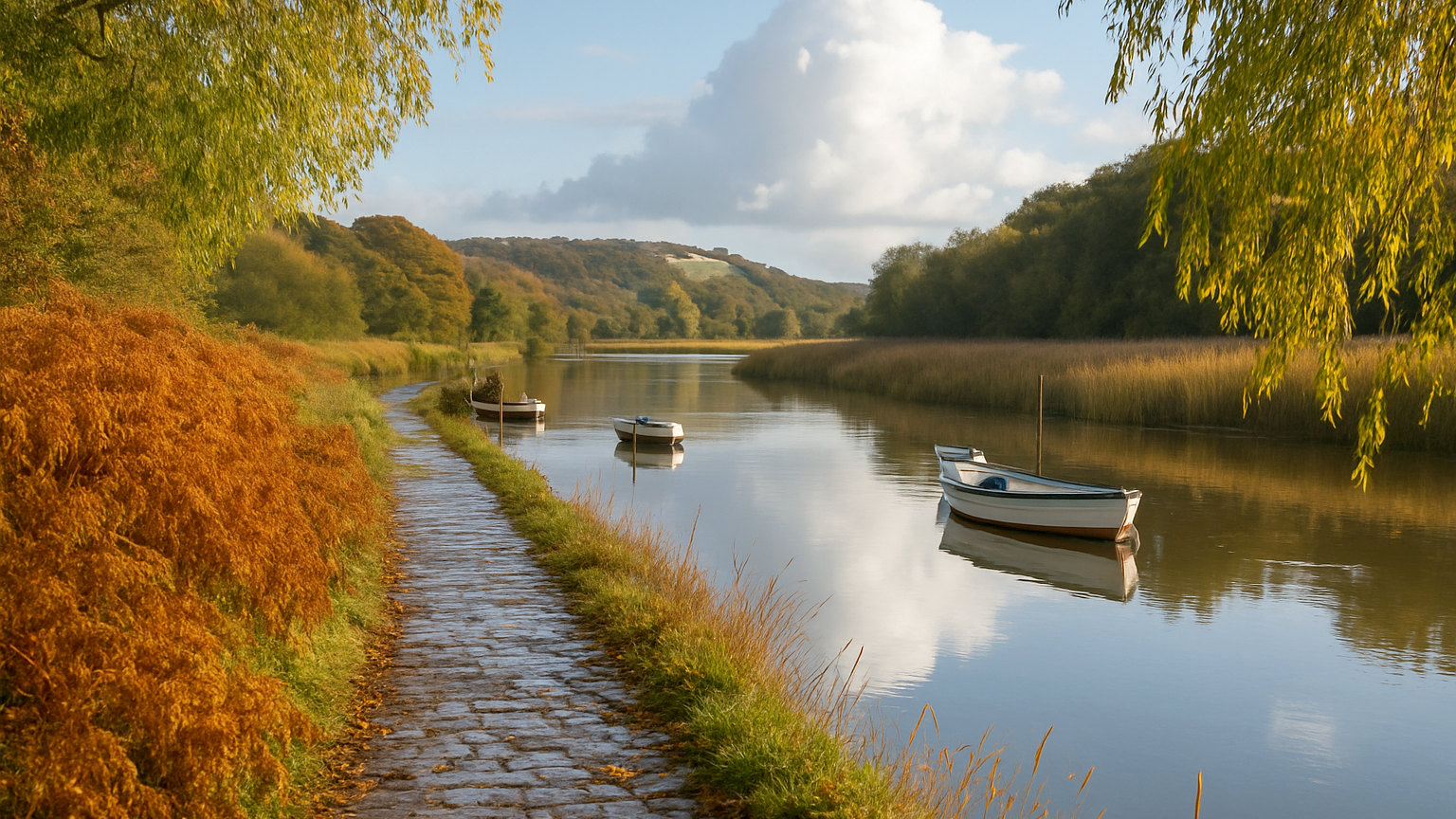
On foot, at least in part. Many of the prettiest villages are linked by short, well marked footpaths across fields, and the walk from Bourton to the Slaughters, or between Stanton and Broadway on the Cotswold Way, gives you the landscape the villages sit in rather than just the buildings themselves.