Oxford holds the oldest university in the English speaking world, with teaching recorded from the eleventh century, and the result is a city centre where almost every building belongs to one of thirty nine colleges. It is compact, walkable and considerably busier than its size suggests, since it draws visitors in enormous numbers throughout the year.
What should you see first?
The area around Radcliffe Square, which holds a circular domed library, the university church with a tower you can climb, and the Bodleian's older buildings including a medieval divinity school with an elaborate vaulted ceiling.
It is the most concentrated piece of architecture in the city and the tower climb gives the view that explains how the colleges fit together, which is otherwise difficult to grasp from the street.
What is the Bodleian?
One of the oldest libraries in Europe and a legal deposit library, meaning it is entitled to a copy of every book published in Britain, with holdings running into many millions of items.
Guided tours of varying length cover the historic reading rooms, and the Divinity School can be visited on its own for a smaller charge. Exhibitions in the adjoining Weston Library are free.
Which colleges can you visit?
Several, at published times and usually for a fee, with access restricted during examinations in early summer and closed entirely at some periods.
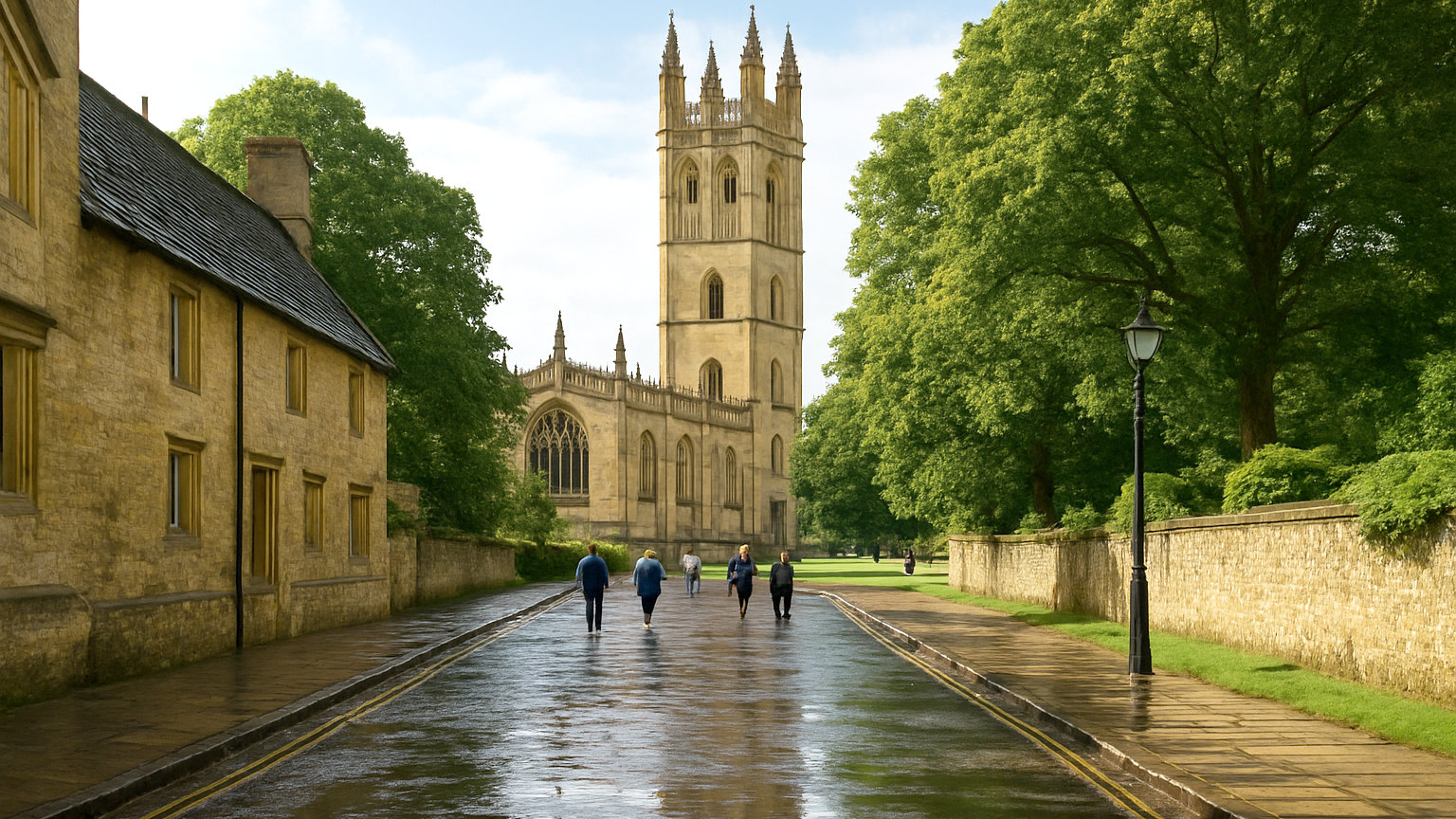
Christ Church, with its cathedral and hall, is the most visited. Magdalen has a deer park and a riverside walk, New College has a substantial medieval cloister, and each has its own arrangements, so check individually rather than assuming.
What is the Ashmolean?
The oldest public museum in Britain, founded in the seventeenth century, free, holding archaeology and art from across the world in a substantial neoclassical building.
It ranges from Egyptian and Minoan material to European painting and is among the best museums in the country outside London.
What about the Pitt Rivers?
An anthropological collection arranged by object type rather than by culture or date, so that cases group all masks or all musical instruments together regardless of where they came from.
It is densely packed into Victorian wooden cabinets, lit low for conservation, and is unlike any other museum in Britain. It sits behind the Natural History Museum and both are free.
Can you go punting?
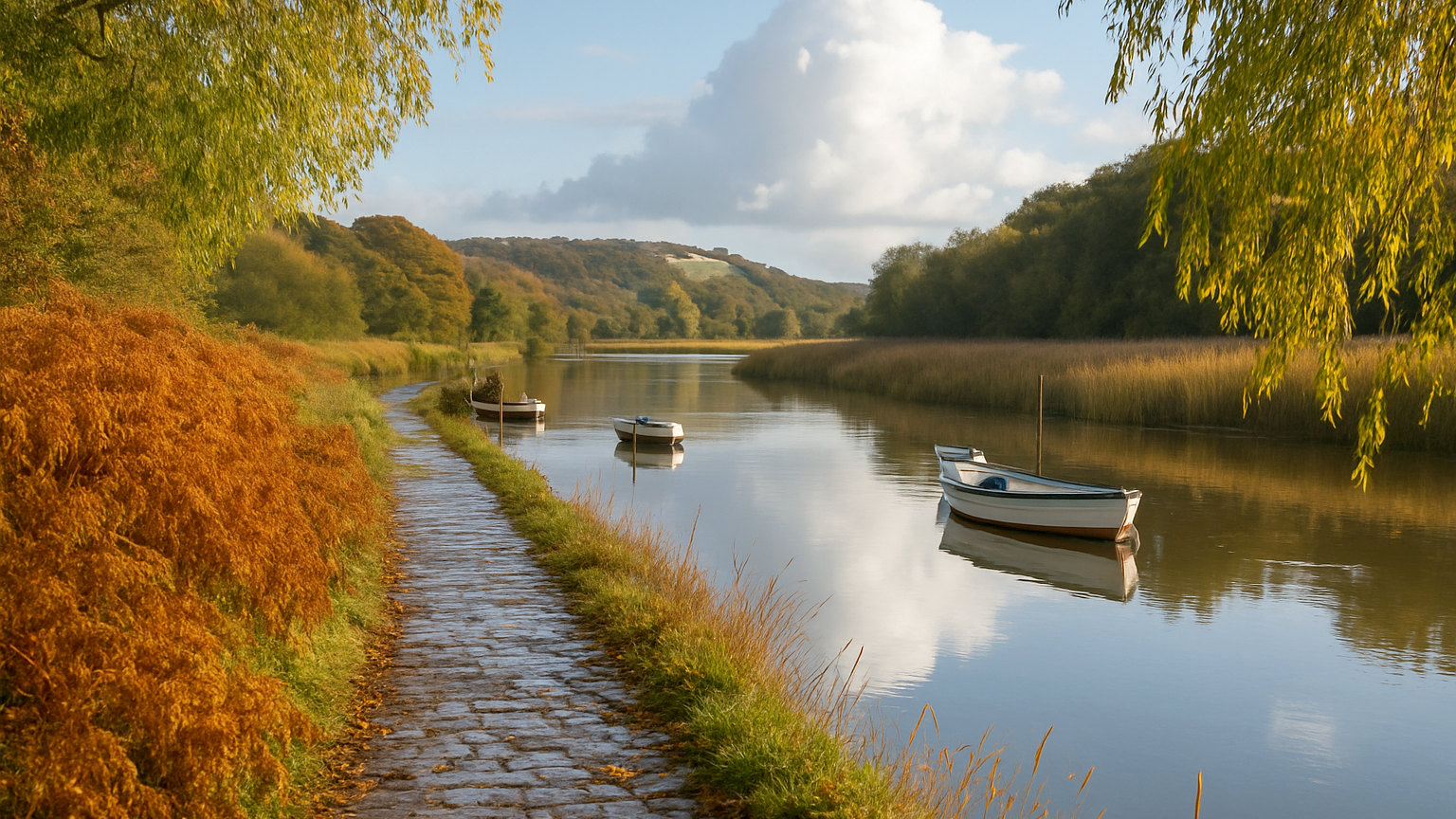
Yes, on the Cherwell from Magdalen Bridge or the Cherwell Boathouse, and on the Thames, which locally is called the Isis through the city.
Self hire is cheaper than a chauffeured trip and considerably harder than it looks, since the pole is heavy and the riverbed is muddy.
What else is worth seeing?
The Covered Market, trading since the eighteenth century, with butchers, a cake shop and cafes. The Botanic Garden, the oldest in Britain, beside the river.
Port Meadow, an enormous area of common grazing land north west of the centre, never ploughed, with horses and cattle and a walk to riverside pubs.
How busy does it get?
Extremely, in summer, with large tour groups on narrow central streets and queues at the main colleges.
Early mornings are transformed, and winter weekdays are quiet. Term time gives the city its atmosphere and restricts college access; vacations reverse both.
How do you get there?
By train from London in around an hour, with the station a short walk from the centre, and by coach services running frequently.
A car is a liability, with the centre largely closed to traffic and parking limited. Park and ride sites on the edge of the city are the sensible option.
How long do you need?
Two nights, or a long day trip from London. The colleges and museums fill two days comfortably and the city rewards slow walking rather than a checklist.
The Cotswolds begin half an hour to the west, and Blenheim Palace is a short bus ride north.
What about the surrounding area?
Blenheim Palace, a baroque house in a landscape park and a World Heritage Site, is fifteen minutes north by bus. The Cotswolds begin half an hour west, and the Thames path runs through the city towards Abingdon and Henley. The Chilterns lie to the east, giving beech woods and red kites within a short drive.