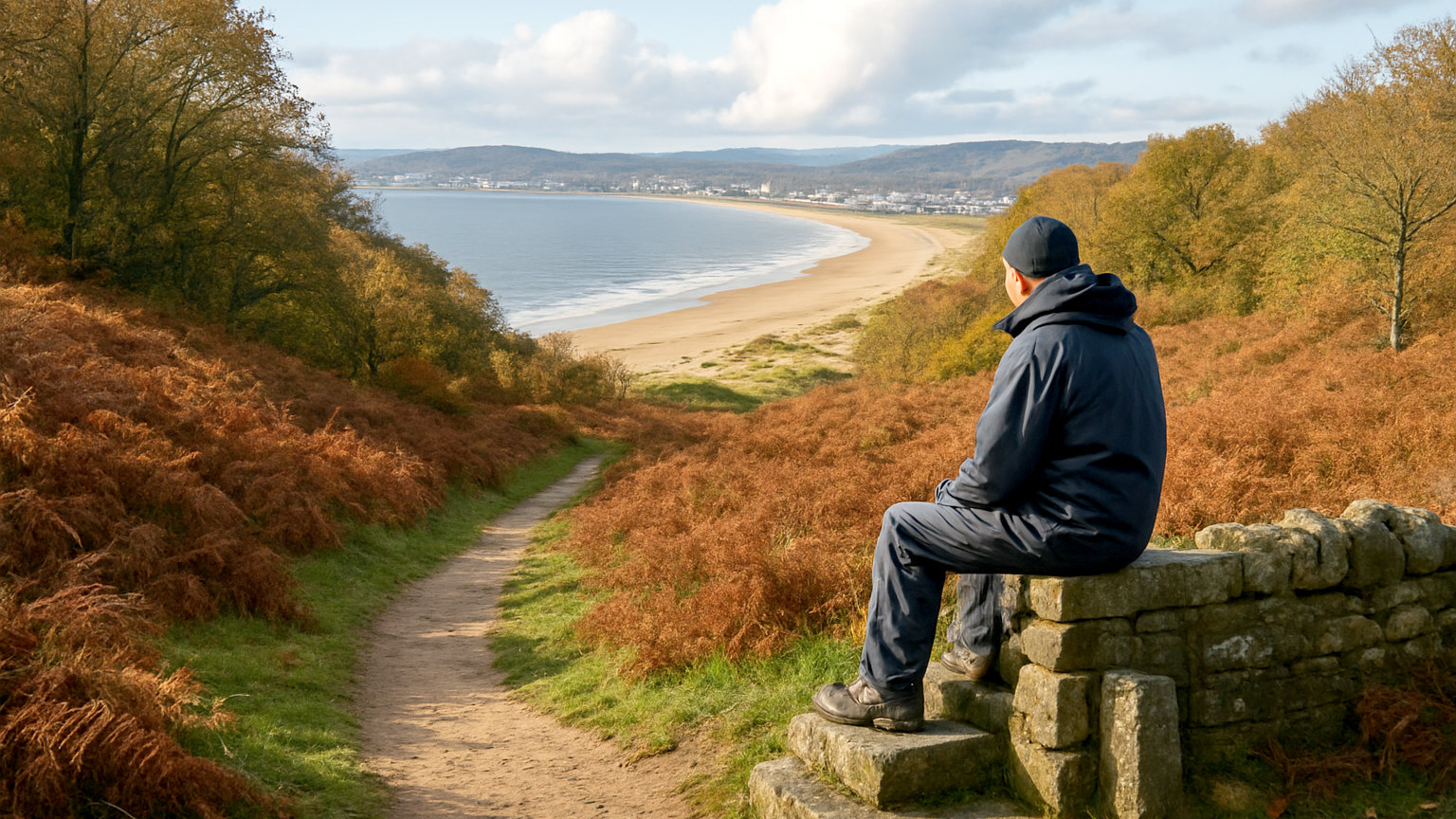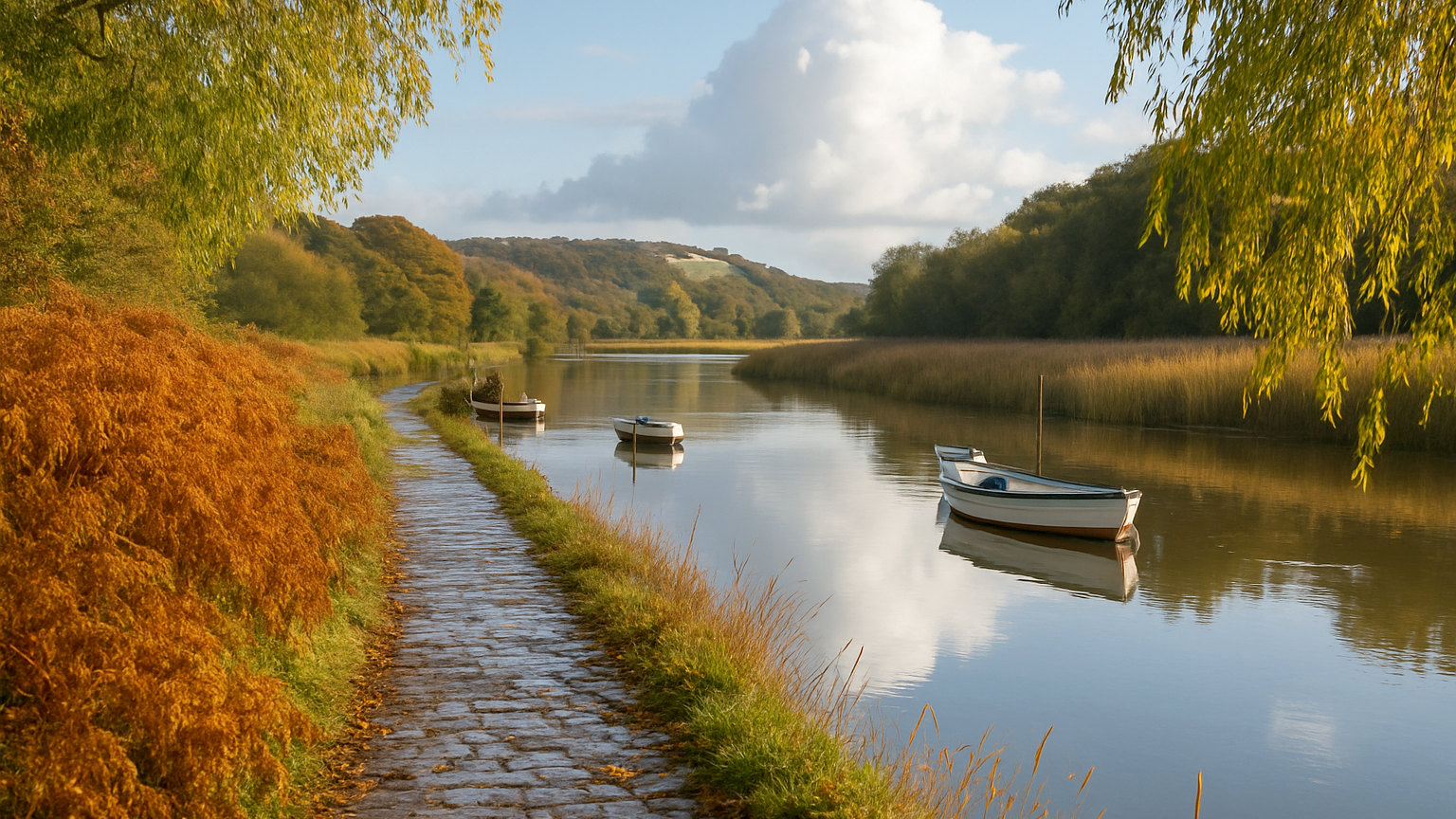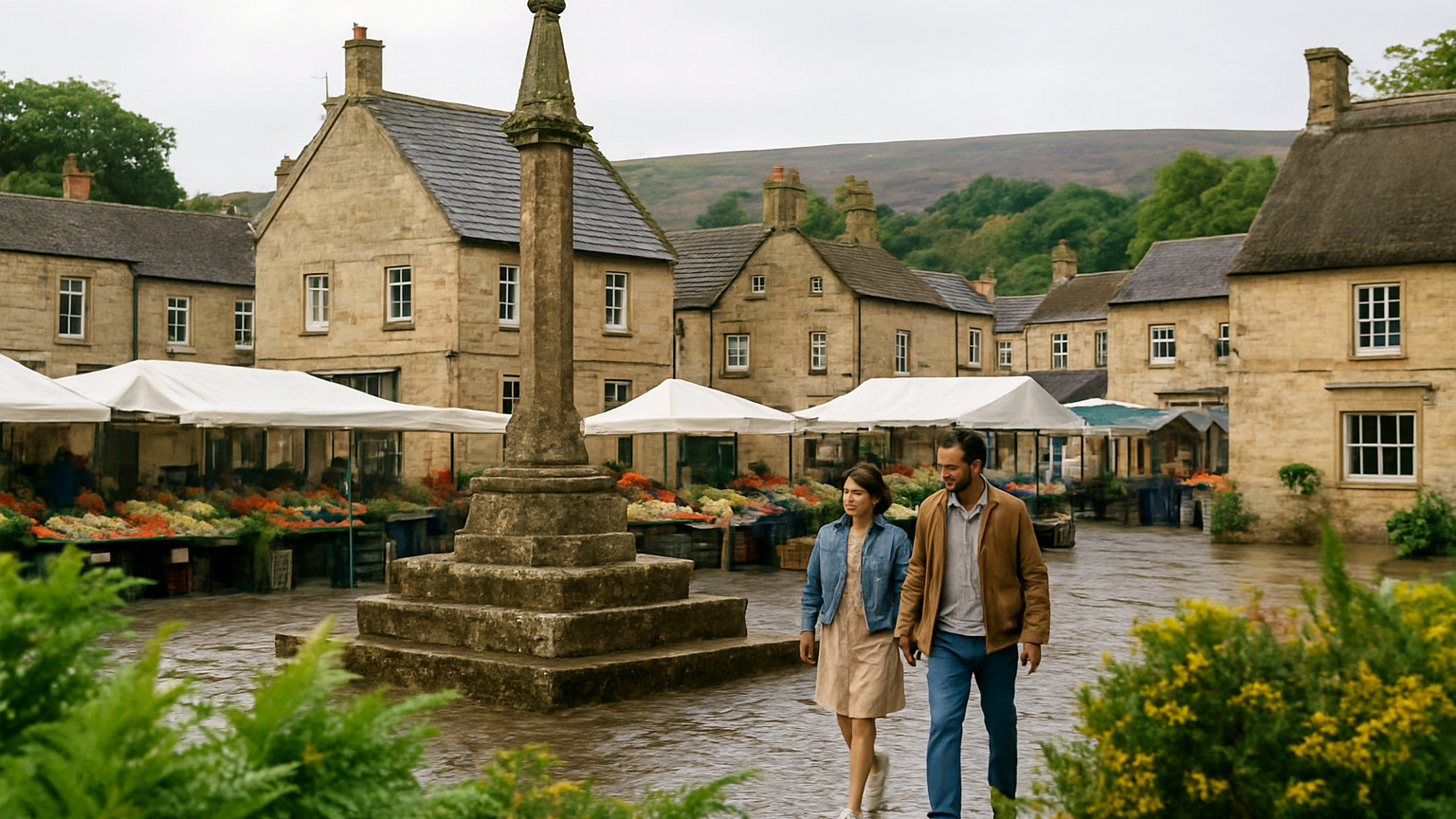
The Peak District was the first national park designated in Britain and it remains the most accessible, sitting within an hour of Manchester, Sheffield, Derby and Nottingham. That accessibility is its greatest strength and its main problem: on a fine summer weekend the popular areas absorb an enormous number of day visitors from the surrounding cities.
What is the difference between the Dark and White Peak?
They are two distinct landscapes that happen to share a boundary. The Dark Peak in the north is gritstone: high, open, peaty moorland with dramatic rock edges such as Stanage and Curbar, and flat topped hills including Kinder Scout and Bleaklow. It is bleak in the best sense and can be genuinely serious in bad weather.
The White Peak in the south is limestone: green dales, dry stone walls, rivers, caves and villages. The walking is gentler, better surfaced and much easier to navigate, and the scenery is pastoral rather than wild.
Which half suits a first visit?
The White Peak, in most cases. Dovedale, Lathkill Dale and the Monsal Trail give you attractive walking on clear paths with very little chance of getting lost, and the villages give you somewhere to eat at the end.
The Dark Peak is worth a day within a longer trip, ideally in settled weather. The edges above Hathersage give the classic view with modest effort, whereas a full Kinder Scout crossing needs navigation skills, since the plateau has few landmarks and the paths across the peat are not always obvious.
Where should you base yourself?
Bakewell is the natural centre for the White Peak, with the largest range of accommodation and food and a good position for the southern dales. Castleton suits visitors who want caves, a castle and quick access to the Hope Valley and the northern edges.
Hathersage and Grindleford both sit on the railway line between Manchester and Sheffield, which makes them unusually good bases for a car free trip. Buxton, technically just outside the park, works well as a town base with rail links.
How busy does it get?
Very, in specific places. Dovedale stepping stones, Mam Tor, Castleton and the Monsal Trail on a sunny Sunday attract queues, and car parks at all of them fill by mid morning. Weekday visits are dramatically quieter.
The park is large enough that walking twenty minutes from any car park removes most of the crowd. The pressure is concentrated at the access points rather than spread across the landscape.
What should you know about parking?
Roadside parking in the popular valleys is heavily restricted and enforced, and verge parking causes genuine problems for farm and emergency access. Use the designated car parks, arrive early at the well known sites, and have a second plan for when the first is full.
Many car parks are pay and display and several now require an app or card rather than coins, so it is worth checking before you rely on having change.
Which walks work for a first trip?
Four cover the range well. The Monsal Trail is flat, traffic free and follows a former railway through tunnels and over a viaduct, and is suitable for bikes and pushchairs. Dovedale from Thorpe gives the stepping stones and a river walk. Mam Tor and the Great Ridge gives a long view for modest ascent on a paved path. Stanage Edge gives gritstone scenery with almost no navigation required.
Each occupies a half day or less, which means two fit comfortably into a Saturday if the weather cooperates.
What else is worth seeing?
Chatsworth House is the major attraction in the area and needs most of a day if you intend to see the house, garden and park. The show caves at Castleton, particularly the ones reached by boat, are a reliable wet weather option. Buxton has a Georgian spa town centre and an opera house.
When is the best time to visit?
May and June for long days and green dales, and late August into September for the moorland heather in the Dark Peak. Winter is quiet and often beautiful, but the high moors carry snow and ice more often than visitors from the south expect, and the roads over the tops close in bad conditions.
Whatever the season, the single biggest improvement you can make to a Peak District trip is going on a weekday rather than a weekend.