Shropshire sits on the Welsh border between Birmingham and mid Wales, and it is one of the least visited counties in England relative to what it contains. It has a range of proper hills, an unusually intact medieval county town, the gorge where the industrial revolution began and a food town with a national reputation, and almost none of it is crowded.
Why does it stay so quiet?
It has no coast, no national park and no single famous attraction that draws visitors from a distance. It also sits just off the main routes north and west, so people pass either side of it. The result is a county that functions normally rather than as a visitor economy, which is much of its appeal.
What are the Shropshire Hills like?
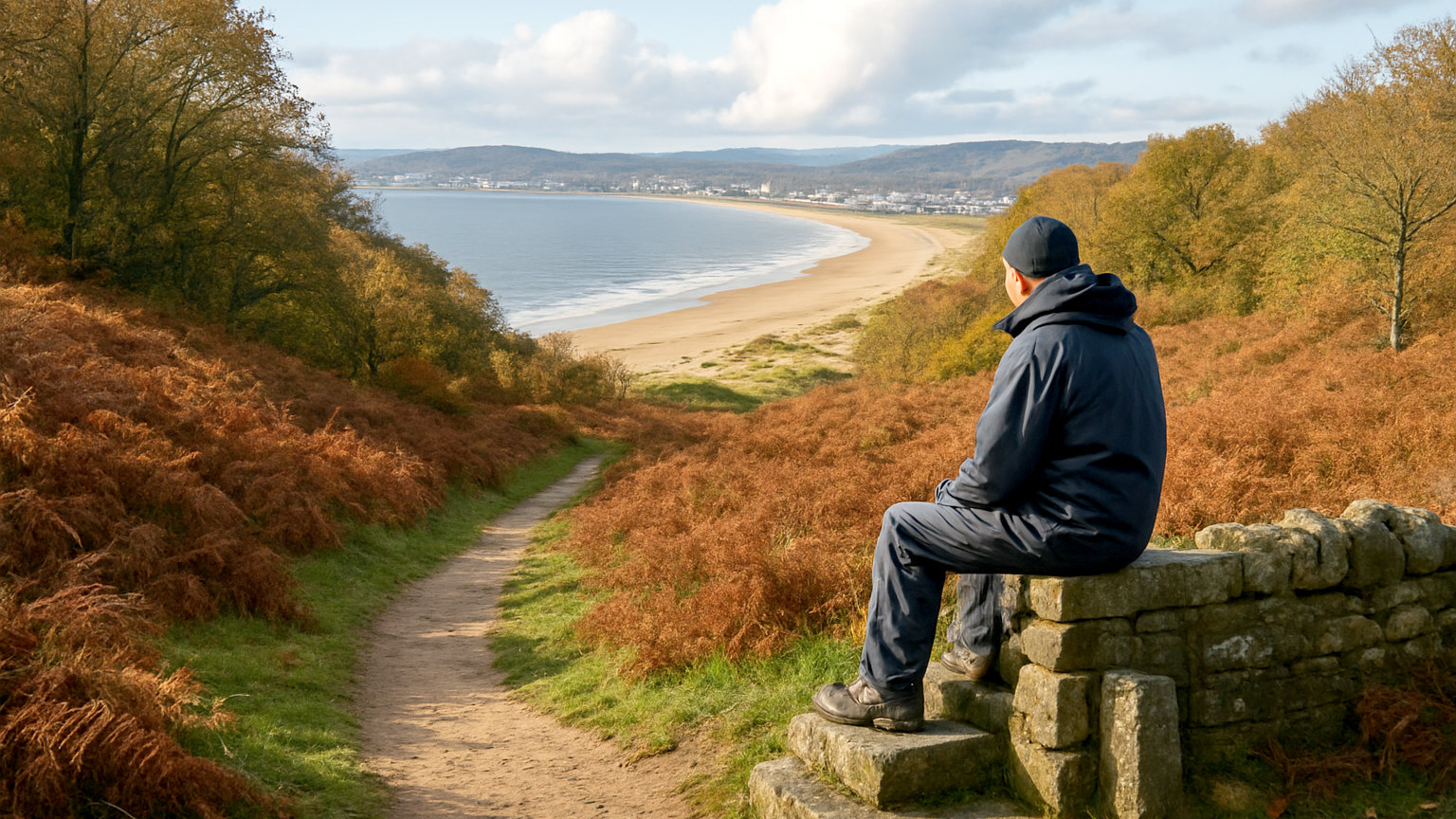
Surprisingly serious for a county this far east. The Long Mynd is a whaleback ridge of heather moorland cut by steep valleys called batches, with walking from Church Stretton straight up from the town. The Stiperstones is a quartzite ridge with rock tors along its crest and a bleak, distinctive character.
Elsewhere the Wrekin rises abruptly from the plain with a view over several counties, and Wenlock Edge runs for miles as a wooded limestone escarpment. None of these require mountain experience but the Long Mynd in poor visibility deserves respect.
Is Shrewsbury worth a visit?
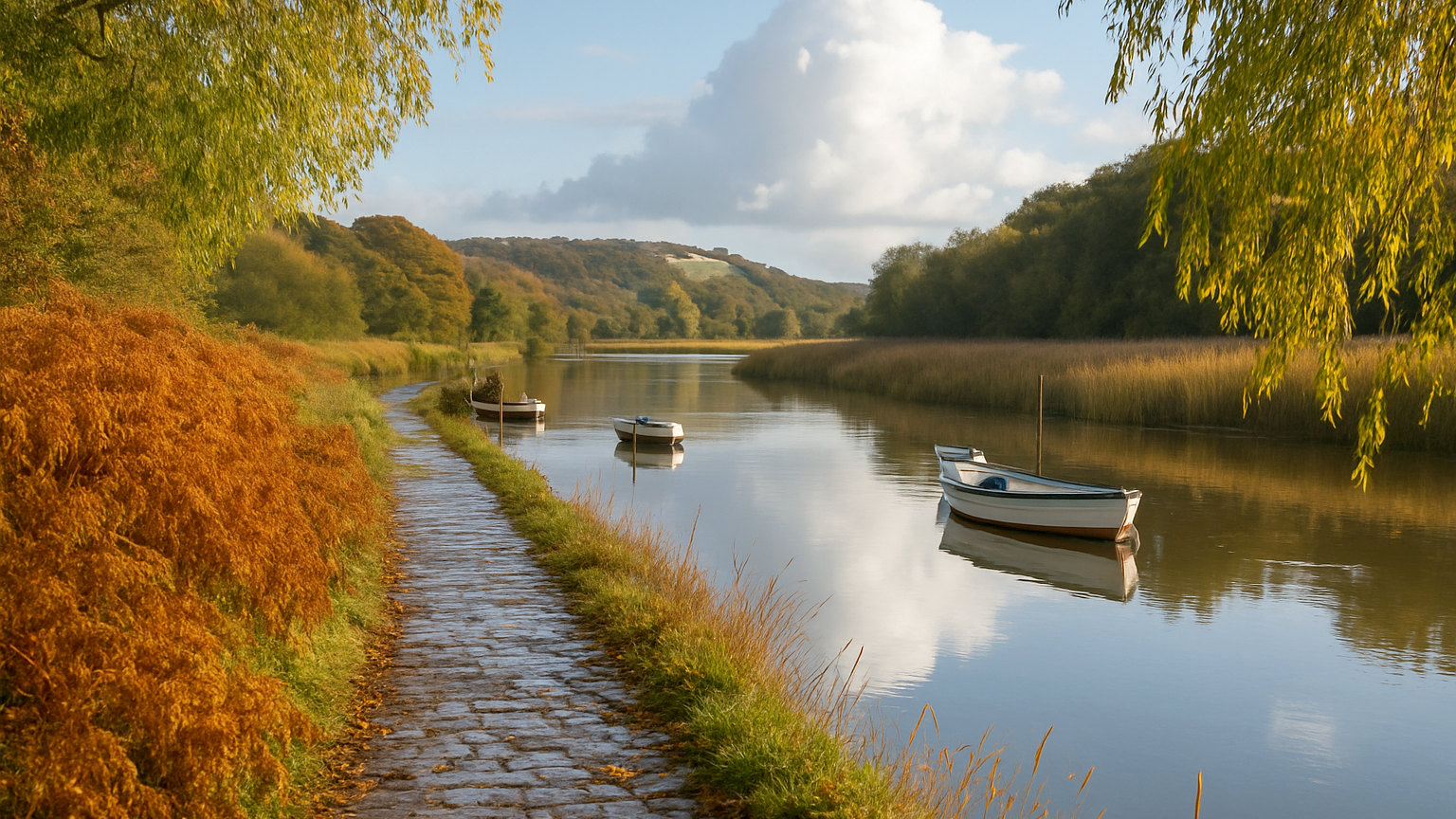
Yes, and it is the natural base for the county. The medieval street plan survives almost intact inside a loop of the River Severn, with several hundred listed buildings, timber framed streets and narrow passages known locally as shuts.
It is compact enough to see on foot in a day, has a good independent shopping and eating scene and sits within half an hour of both the hills and Ironbridge. It also has a railway station with direct services to Birmingham, Manchester and Wales.
What is at Ironbridge?
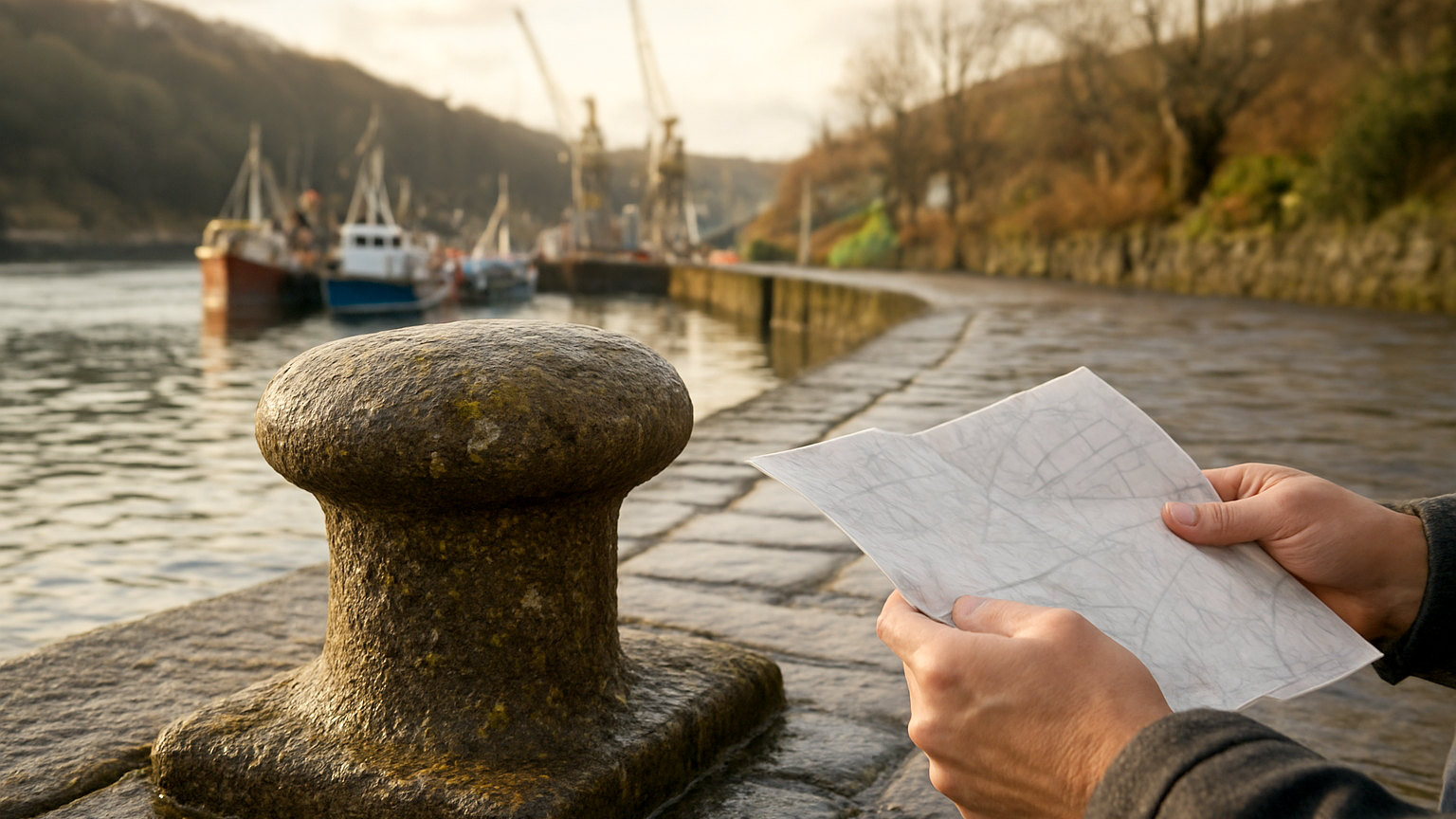
The gorge where iron was first smelted with coke and where the world's first iron bridge was built in the late eighteenth century. It is a World Heritage Site and now holds a group of separate museums covering iron, china, tiles, a Victorian town recreation and the original furnace.
A combined ticket covers all of them and is valid for a year, which is the sensible option since seeing everything in a single day is a rush. Two days is comfortable, or pick three museums and the bridge itself for a single visit.
Why is Ludlow known for food?
The town built a reputation over several decades on independent butchers, bakers, a long running food festival and a concentration of restaurants unusual for a town of its size. That reputation has ebbed and flowed but the independent food shops remain the strongest of any small town in the region.
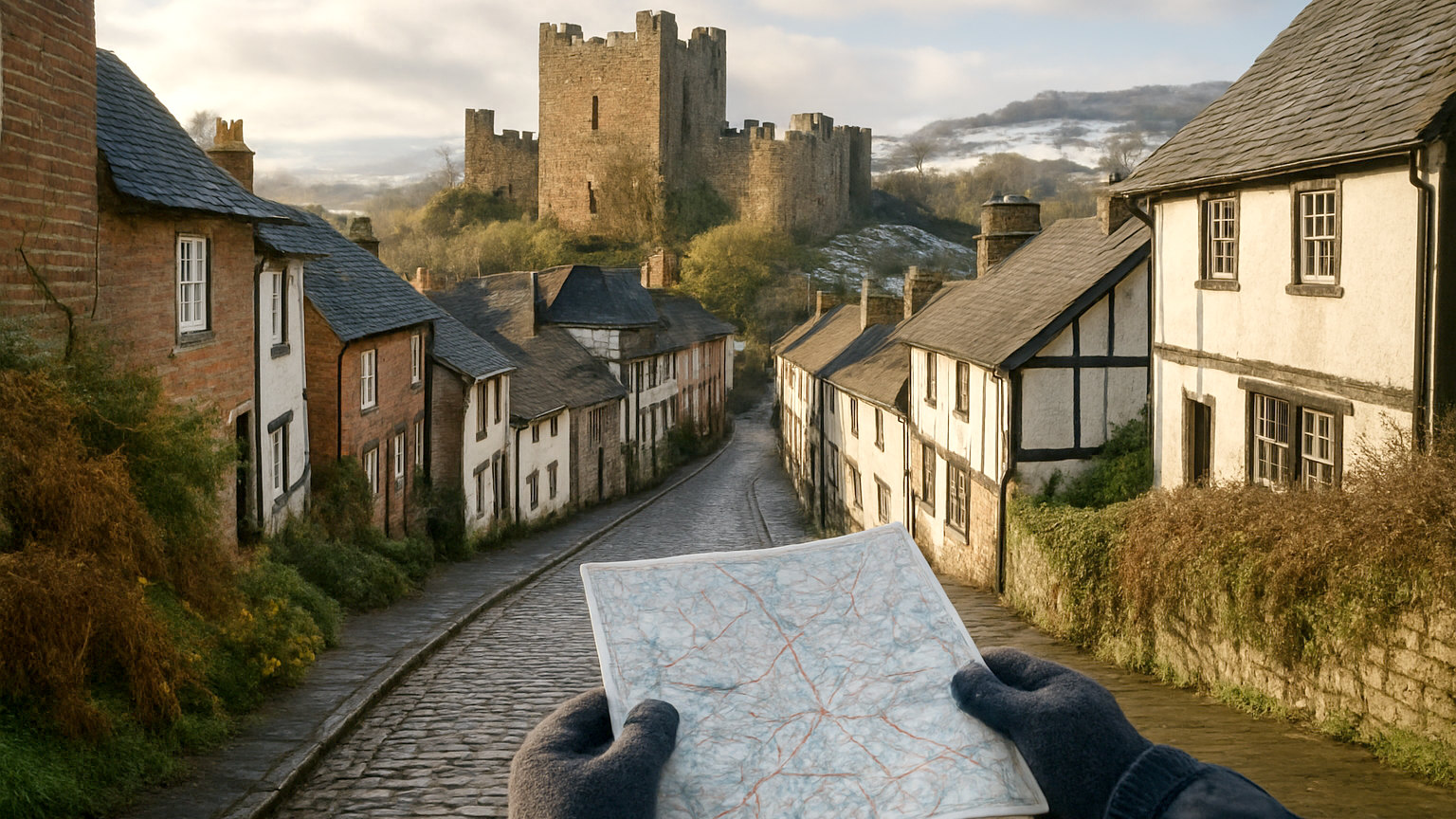
Ludlow also has a substantial ruined castle in the centre, a large parish church and a Georgian and medieval street layout that is worth an afternoon on its own.
What about the Welsh border?
Offa's Dyke, the eighth century earthwork marking the boundary of the Mercian kingdom, runs along the western edge of the county and the national trail that follows it passes through Shropshire. Sections near Clun and Knighton are among the best preserved parts of the whole dyke.
The border towns of Bishop's Castle, Clun and Church Stretton are all small, quiet and characterful, and Bishop's Castle in particular has a long standing brewing tradition.
How long should you stay and when?
Three or four nights covers the county well. Base in Shrewsbury for the town and Ironbridge, or Church Stretton and Ludlow for the hills and the south. Splitting between the two works nicely for a longer week.
Late summer is best for the heather on the Long Mynd and the Stiperstones, and autumn for Wenlock Edge and the wooded valleys. The county is quiet enough that peak season timing matters far less here than in the more visited parts of England.