Northern Ireland is part of the United Kingdom and uses pounds sterling. The Republic of Ireland, which shares an open land border with it, uses the euro. Because the border is invisible and crossed without formality, visitors regularly find themselves in the wrong jurisdiction with the wrong currency, which is the single most common money problem on a trip here.
What should you carry?
Sterling for Northern Ireland. If your trip includes the Republic, carry both or rely on cards, which are accepted almost everywhere on both sides and handle the conversion automatically.
Cash is worth having for small purchases, rural pubs, car park machines and the occasional independent business, but it is entirely possible to spend a week here paying for everything by card or phone.
Will euros be accepted?
Sometimes, near the border and at some tourist attractions, but at a poor rate and entirely at the business's discretion. It is a courtesy rather than an entitlement and should not be relied on.
The reverse applies in the Republic, where sterling is occasionally taken close to the border and generally not elsewhere. Anyone travelling both sides regularly is better served by a card than by juggling two sets of notes.
Why do the banknotes look different?
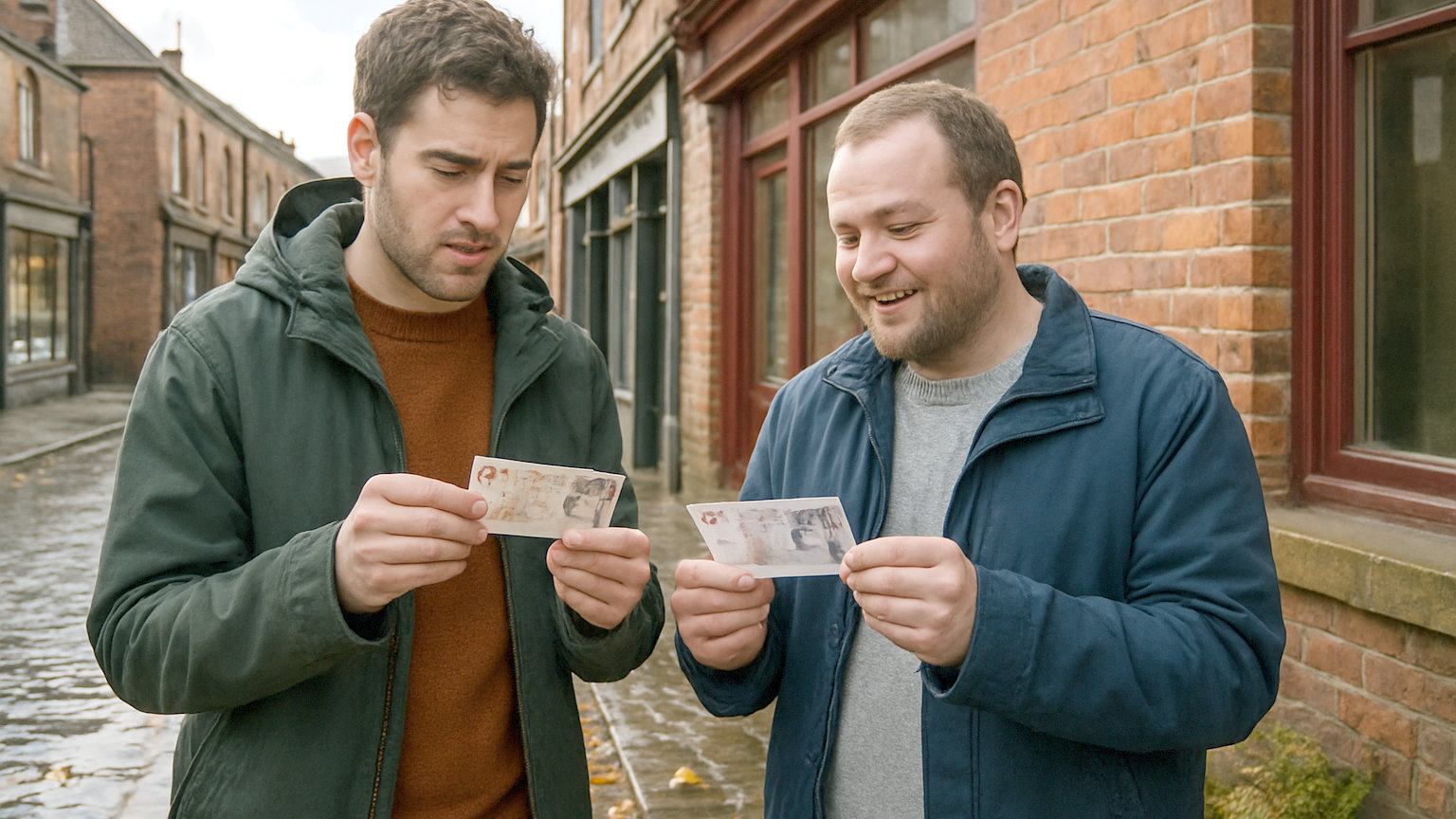
Several banks in Northern Ireland issue their own sterling banknotes, so you may receive notes from Bank of Ireland, Danske Bank, Ulster Bank or others rather than Bank of England notes. They are pounds sterling and they are worth exactly the same.
They are legal currency and circulate normally throughout Northern Ireland. Scottish banks issue their own notes on the same basis, which is why a Scottish note sometimes appears in change here.
Will those notes be accepted back in Britain?
Legally they are sterling, but in practice shops in England and Wales sometimes refuse them because staff are unfamiliar with them and cannot easily verify them. This is a frequent irritation for travellers returning home with a pocket of Northern Irish notes.
The simple solution is to spend them before you leave, or to change them at a bank, which will exchange them at face value without a fee. Banks and post offices in Britain accept them without difficulty even when a corner shop will not.
What about cash machines and fees?
Cash machines are widespread in towns and less so in rural areas, particularly in Fermanagh and the glens. Most are free to use, though some in convenience stores and pubs charge, which is displayed on screen before you withdraw.
Machines dispense the local sterling notes. Foreign cards will usually be offered conversion to your home currency at the machine, which is almost always a worse rate than letting your own bank convert, so declining it is generally the better choice.
How does paying work day to day?
Contactless card and phone payment is standard, including on public transport in Belfast and in most shops, cafes and taxis. Cash only businesses exist but are the exception rather than the rule.
Tipping is modest and not obligatory. Around ten per cent in a restaurant where service is not included is normal, and rounding up a taxi fare is common. Tipping in pubs is unusual.
Is Northern Ireland cheaper than Britain?
Generally, yes. Accommodation, eating out and attractions are typically less expensive than in comparable parts of England or Scotland, and noticeably cheaper than Dublin, which is one reason cross border day trips are common.
Several of the best things cost nothing at all. The Ulster Museum is free, the walls of Derry are free to walk, access to the Giant's Causeway stones is free, and the coast and the Mournes cost only the fuel to reach them.
One last practicality for anyone touring both jurisdictions. Fuel prices differ either side of the border and the gap moves with exchange rates and duty, which is why filling stations cluster on whichever side is cheaper at the time. Locals cross to buy fuel and groceries routinely, and visitors can do the same.