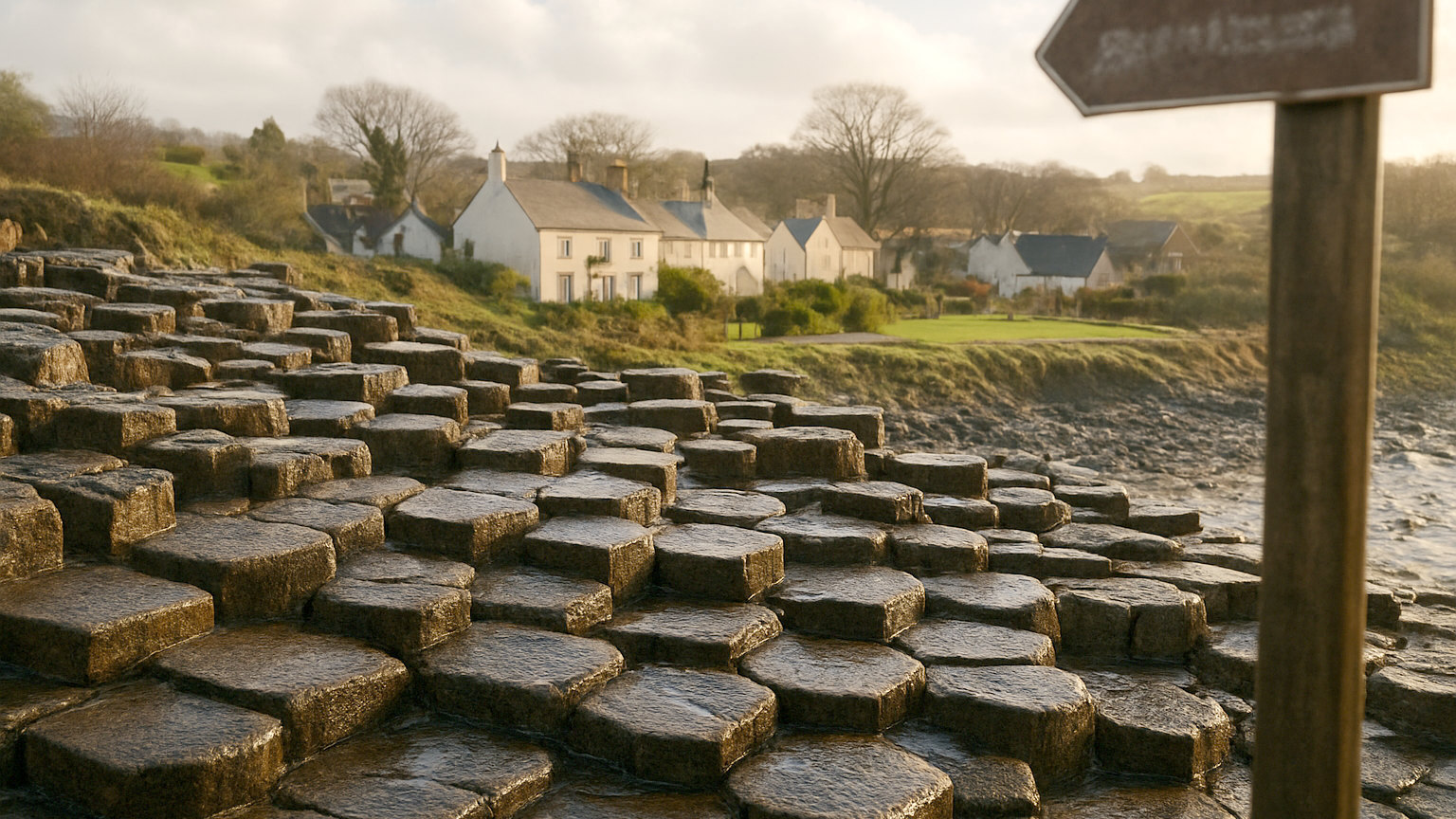
The Giant's Causeway is a formation of around forty thousand interlocking basalt columns on the north Antrim coast, created when a lava flow cooled and cracked into hexagons roughly sixty million years ago. It is a World Heritage Site, the most visited attraction in Northern Ireland, and it divides opinion mainly because of how people experience it rather than what it is.
Why do some visitors leave disappointed?
Because they arrive at midday with three coaches, spend twenty minutes on the stones surrounded by people, and leave. The formation is smaller than photographs suggest, and the famous section covers an area you can cross in a few minutes.
Visitors who walk the cliff paths, see the Organ and the Amphitheatre, and go early or late almost universally rate it highly. The site rewards two or three hours and punishes twenty minutes.
Do you have to pay?
Not to reach the stones. The Causeway itself is on land with a public right of way and access to the formation is free. What is charged for is the visitor centre, the exhibition, the audio guide, the shuttle bus and, critically, the car park.
Parking is the practical constraint. The visitor centre car park is expensive and is included with a centre ticket, while nearby private car parks and the Causeway Hotel offer alternatives. Some visitors park in Bushmills or at the Causeway Rope Bridge and walk or take the shuttle in.
How do you get down to the stones?
On foot, about a kilometre downhill on a surfaced road from the visitor centre, or by shuttle bus for a fee. The walk is easy on the way down and a steady climb on the way back.
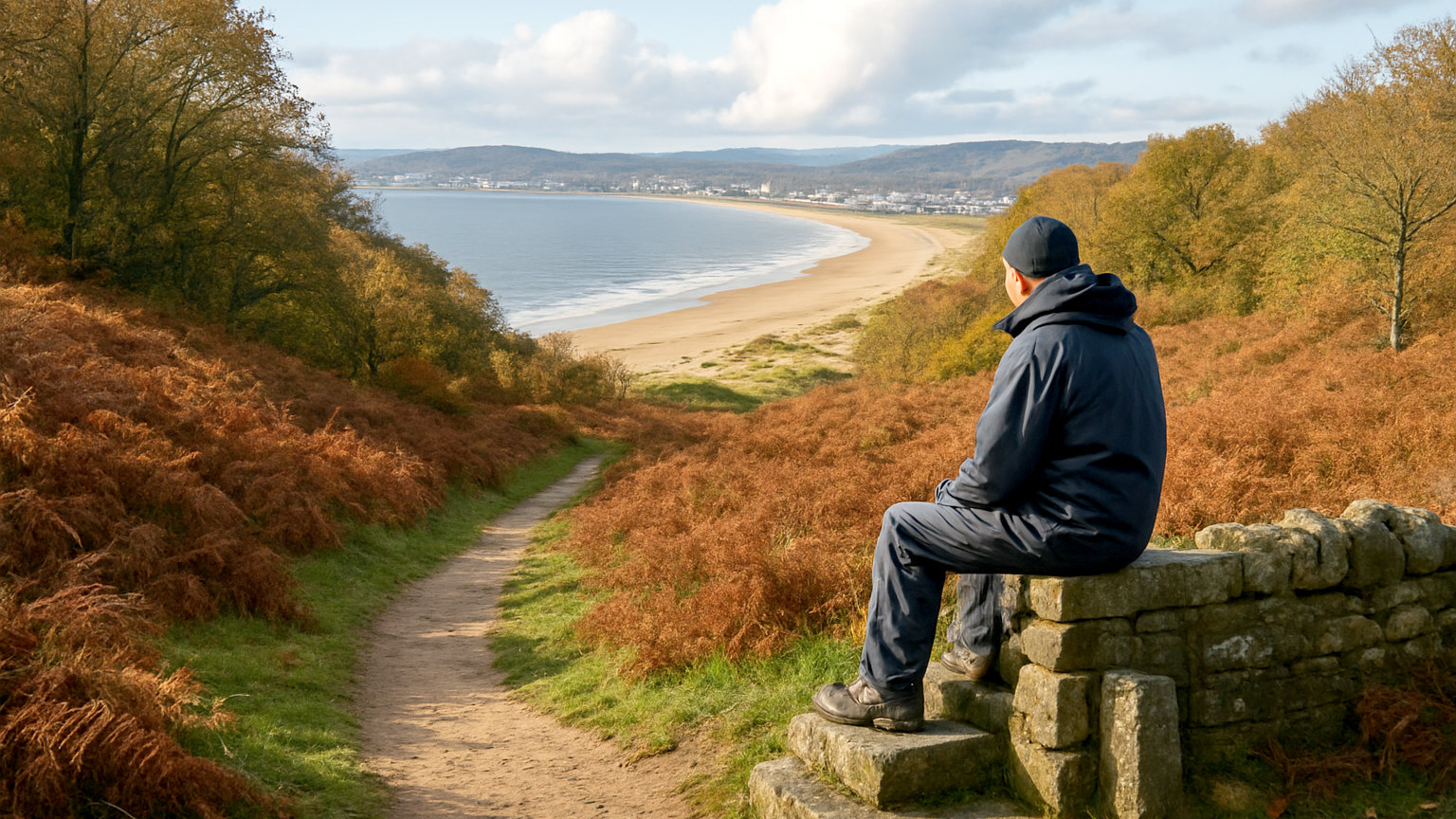
The Blue Trail is the direct route. The Red Trail runs along the cliff top with far better views over the whole formation and returns down the Shepherd's Steps, a long flight of stairs. Doing the cliff path out and the low road back is the best combination.
When should you go?
Before half past nine or after five, in any season. The coach tours from Belfast and Dublin operate through the middle of the day, and outside those hours the site can be close to empty even in July.
Winter mornings are outstanding, with low light on the columns and hardly anybody there. The site is open in all weather and the stones are dramatic in a swell, though they become slippery and the cliff paths are exposed in wind.
What should you be careful about?
The rocks are uneven, wet and slippery, and people turn ankles here regularly. Wear proper footwear rather than sandals. Waves break over the lower columns in rough conditions and visitors have been swept off, so keep well back when the sea is running.
The cliff paths are unfenced in places with long drops, and sections close after rockfalls, which are common after winter storms. Observe closures rather than stepping around barriers.
What else is nearby?
A great deal, and it is what turns the Causeway from a stop into a day. Dunluce Castle sits in ruins on a sea stack a few miles west. The Carrick a Rede rope bridge is a short drive east. Bushmills has a working distillery that has operated for centuries.
The clifftop path continues east towards Dunseverick and Ballintoy across some of the best coastal walking in Ireland, and almost nobody walks more than a few hundred metres of it.
So is it worth it?
Yes, on the condition that you treat it as a coastal walk rather than a photograph stop. Arrive outside the middle of the day, walk the cliff path as well as the stones, and give it a couple of hours. Done that way it is among the most striking places on these coasts.
It is also worth knowing what the site is not. There is no lighting, no barrier around the columns and no supervision once you are on the rocks, which is deliberate and part of the appeal. It is a stretch of wild coast rather than a managed attraction, and it should be approached with that in mind.