Scotland has the widest seasonal swing of anywhere in Britain. Midsummer in the far north gives you daylight that barely fades, while December gives under seven hours between sunrise and sunset. Add midges, mountain weather and a tourist season concentrated into a few months, and the timing of a Scottish trip matters far more than it does further south.
What does each season actually offer?
Spring, from April to early June, is the strongest all round period. Daylight is lengthening fast, the midges have not yet arrived in force, the weather is often at its driest, and accommodation is still available at reasonable notice.
Summer brings the longest days and the biggest crowds, along with the midges. Autumn delivers colour in the Highlands, the red deer rut and much lower prices. Winter is dark and difficult for touring but gives you snow on the mountains, empty roads and the best chance of the northern lights.
Which months are busiest?
July and August, driven by the English and Scottish school holidays overlapping and by the Edinburgh festivals in August, which absorb accommodation across a wide area. The North Coast 500 and Skye are both under real pressure through these months.
Scottish schools break up earlier than English ones, generally from late June, and return in mid August, so the peak here starts and ends a couple of weeks earlier than in England. That makes late August quieter in the Highlands than it is in Cornwall.
How much does daylight vary?
Enormously, and it is the single most practical difference between seasons. In late June, Inverness gets around eighteen hours of daylight and the sky in the far north never fully darkens. In late December the same place gets under seven.
This shapes what a trip can contain. A June visitor can drive, walk a hill and still eat outside at nine in the evening. A December visitor has one usable block of daylight and needs to plan around it, particularly on single track roads where night driving is slow.
When are the midges a problem?
The season runs roughly from late May to September, with the worst weeks usually in July and early August. They concentrate in the west Highlands and the islands, near still water, in damp and sheltered conditions, and are most active at dawn and dusk.
Wind above about seven miles an hour disperses them, as does bright sun and open ground. Camping and evening barbecues are where visitors suffer most; a day walk on an exposed ridge is generally untroubled.
What is the weather really like?
Changeable rather than uniformly bad. The west is markedly wetter than the east, so Fort William and Skye receive far more rain than Aberdeen or the Moray coast, and a poor forecast for one side of the country frequently does not apply to the other.
May and June are statistically the driest and sunniest months in much of Scotland, which surprises people who assume high summer is best. The mountains make their own weather regardless of season, and conditions on a summit can differ completely from the glen below.
When should you go for the northern lights?
Between late September and March, when nights are long and dark enough. Displays require clear skies, geomagnetic activity and as little light pollution as possible, and the far north, Orkney, Shetland and the Caithness coast give the best odds.
Summer is impossible in the north regardless of activity, because it never gets properly dark. This is the main argument for a winter trip.
What is the best value time to visit?
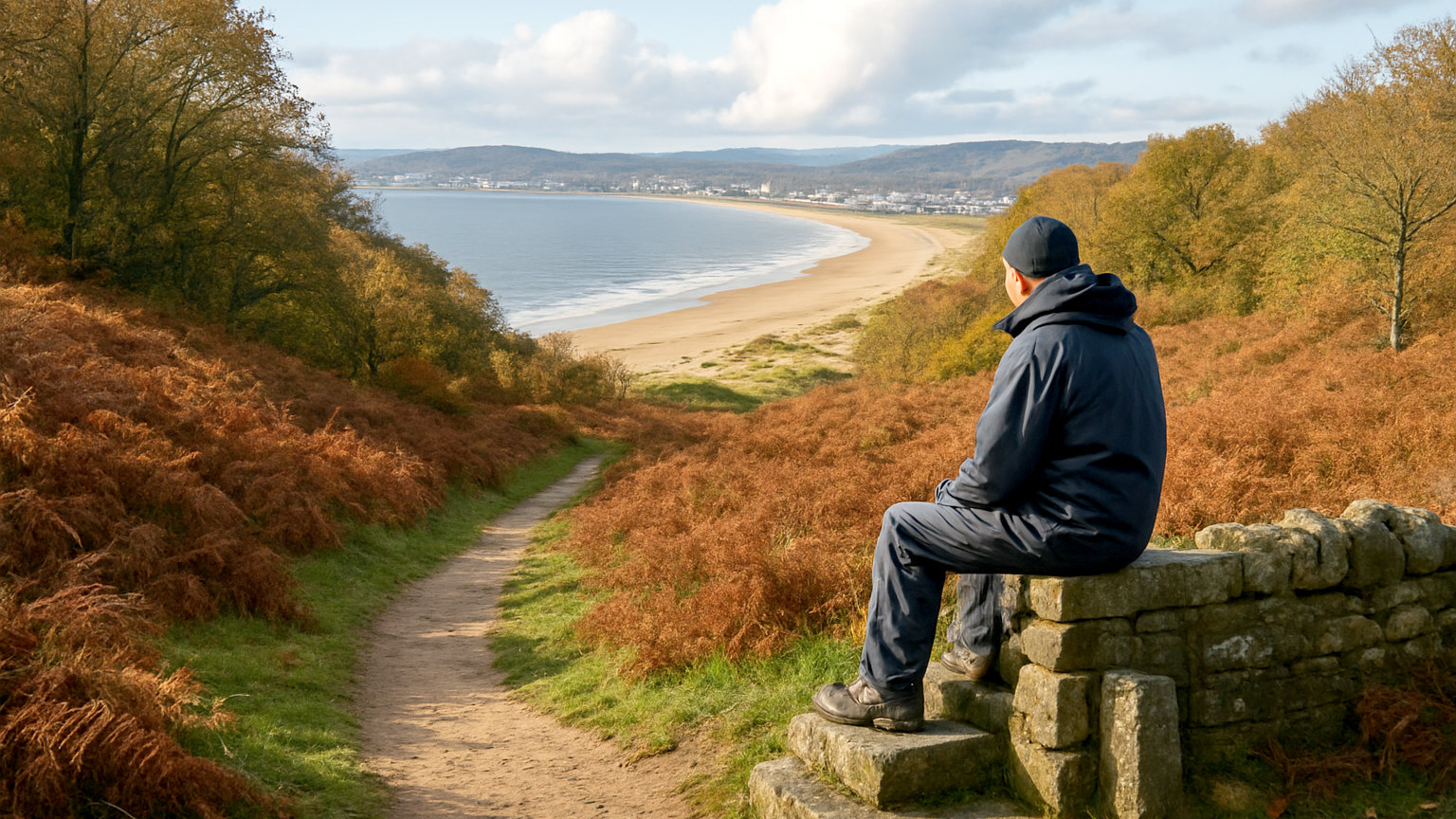
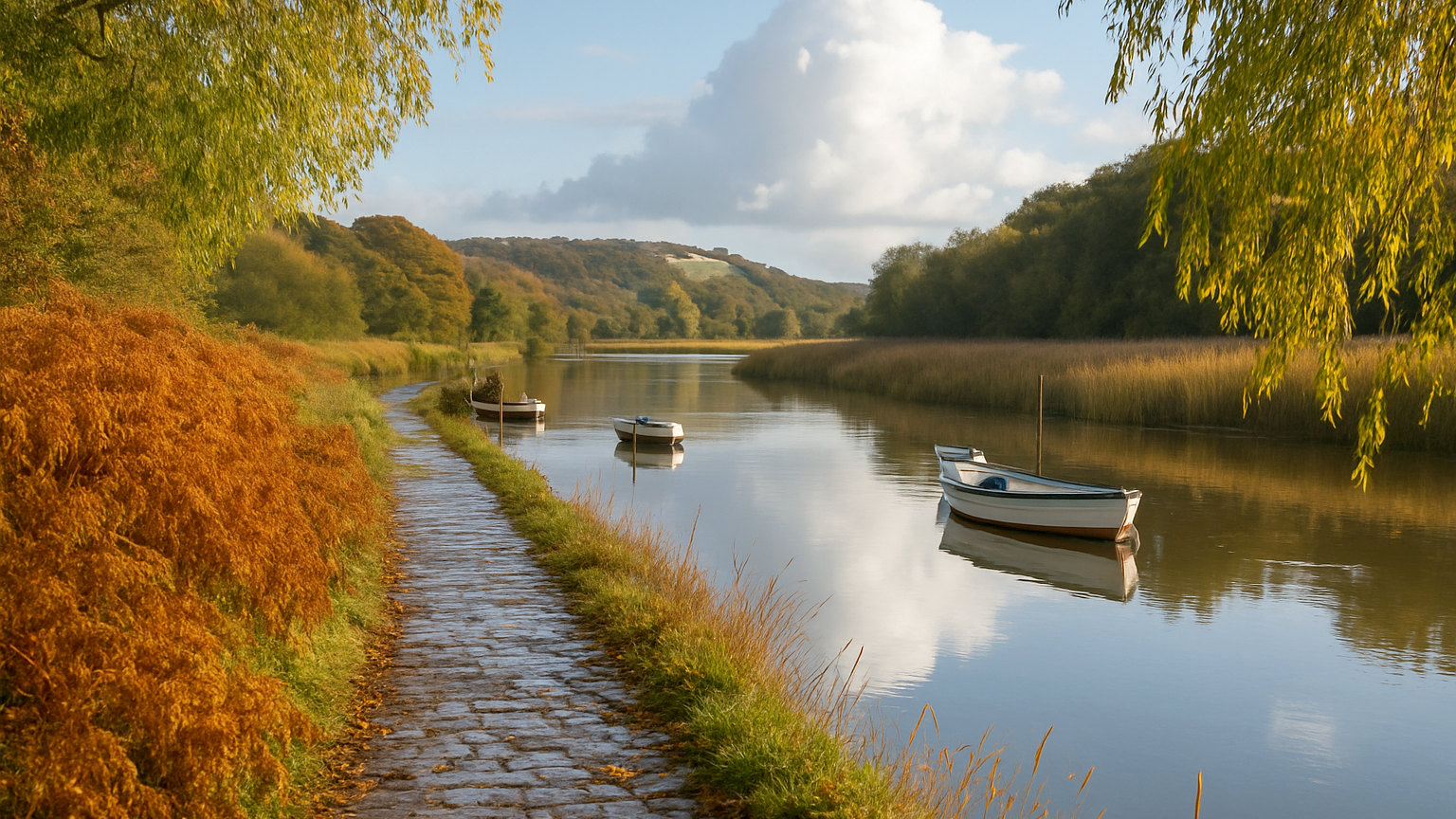
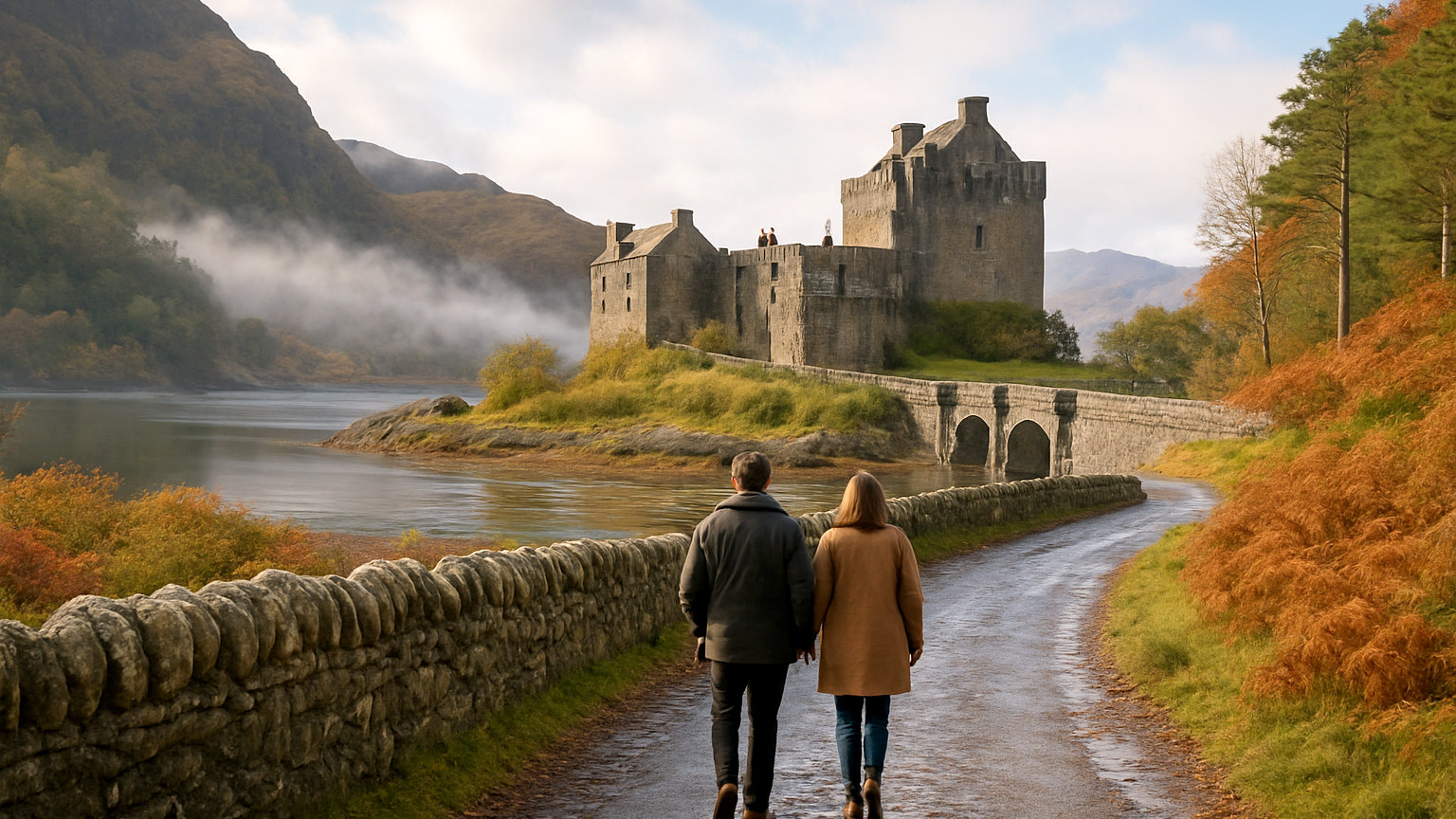
Late September and early October. Accommodation prices fall from the summer peak, the midges have largely gone, the birch and bracken turn gold across the glens, and the red deer rut makes the hills noisy in the best way. Days are still long enough for proper walking.
May is the other strong candidate, with dry weather, long light and everything open for the season, before the midges and the crowds arrive. If you can travel outside the school holidays at all, these two windows give the most Scotland for the least money and difficulty.