Birmingham is the second largest city in Britain and receives a fraction of the visitors its size suggests. The reputation is industrial and unlovely, the reality is a city that has spent decades rebuilding, with more canal miles than Venice and a genuinely outstanding art collection.
What is the city known for?
Manufacturing of a particular kind. Birmingham made small metal goods rather than heavy industry, which meant thousands of small workshops rather than a few large mills, and produced a tradition of invention and enterprise.
It was also central to the Enlightenment in Britain, with a scientific society whose members included several figures of international importance.
What is the Jewellery Quarter?
A district north of the centre where jewellery has been made for over two hundred years and still is, with hundreds of businesses in Georgian and Victorian buildings.
A museum occupies a workshop closed in the nineteen eighties and left exactly as it was, with tools still on the benches, which is among the most affecting industrial sites in Britain.
What about the canals?
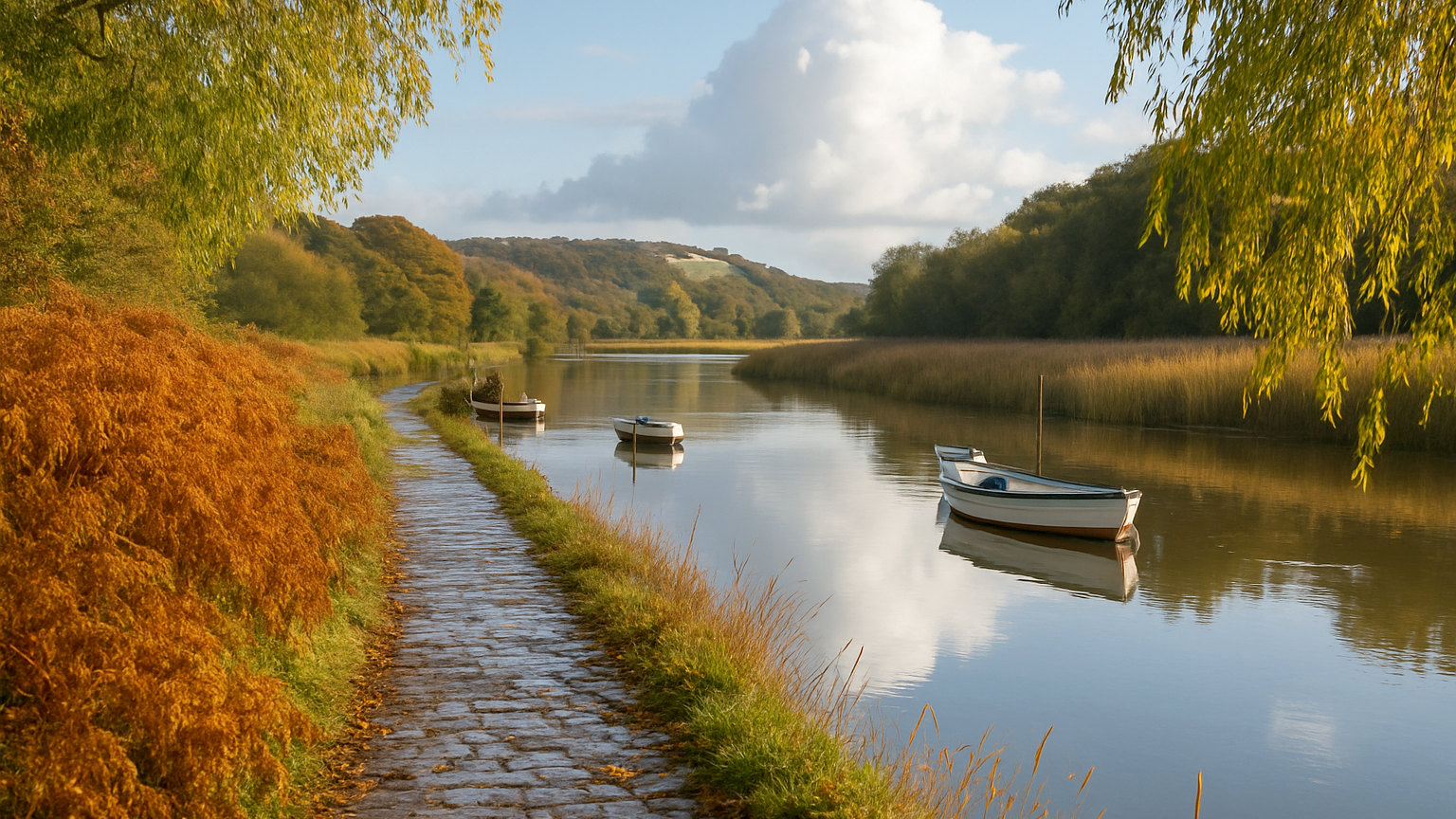
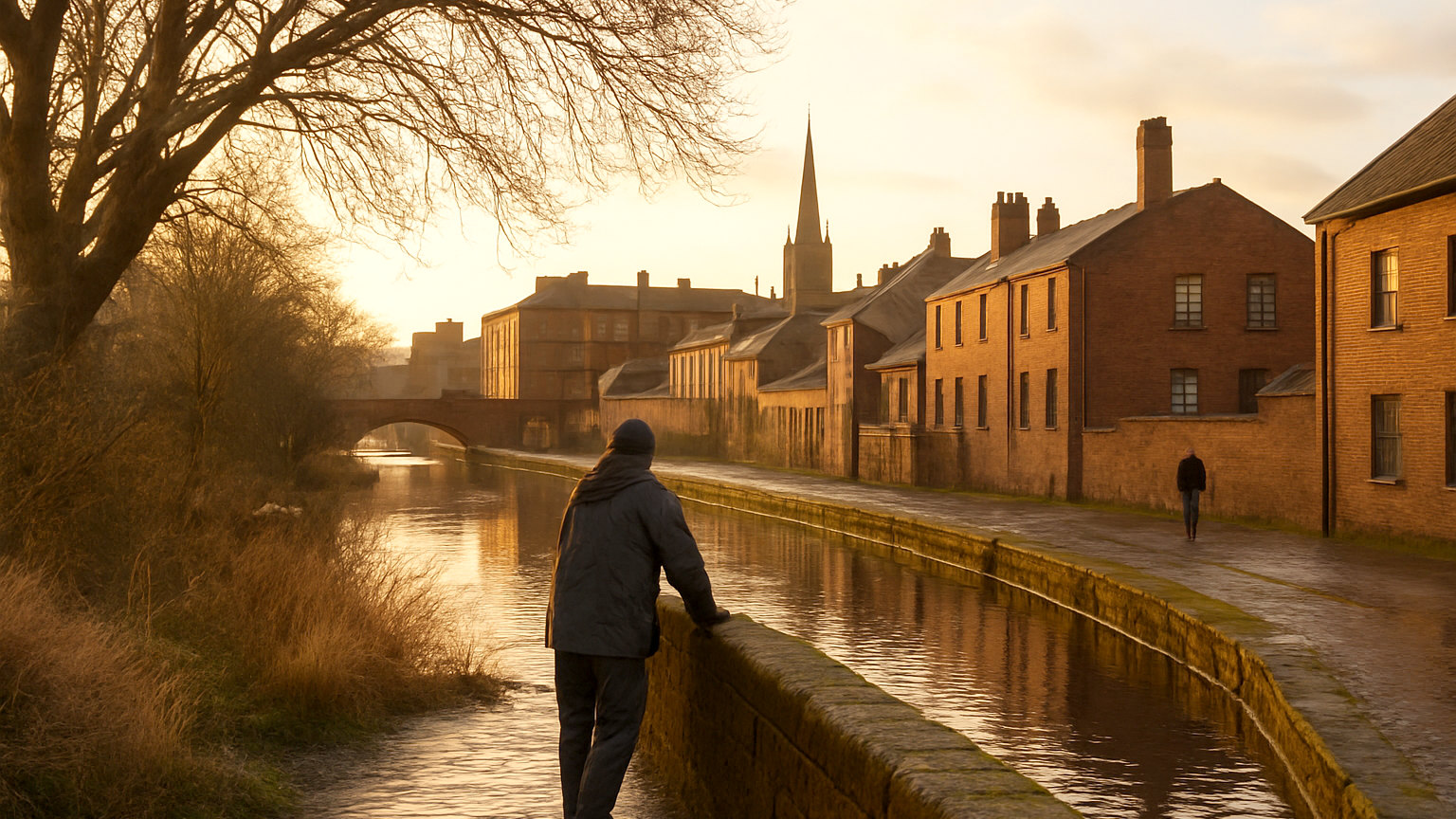
Birmingham sits at the centre of the English canal network and has more miles of navigable water within the city than Venice, which is a fact locals deploy frequently and which is true.
The towpaths around Gas Street Basin and Brindleyplace have been restored and are walkable, with bars and restaurants along them.
Which galleries should you visit?
The Barber Institute on the university campus, small, free and holding a collection of remarkable quality for its size, largely unknown outside the city.
Birmingham Museum and Art Gallery holds one of the finest Pre Raphaelite collections anywhere, reflecting the movement's Midlands connections.
Where should you eat?
South Asian food, which is exceptional here. The balti, a style of curry cooked and served in a pressed steel bowl, was developed in the city and an area to the south is known for it.
Birmingham also has more Michelin starred restaurants than any English city outside London, which surprises people.
How do you get around?
On foot in the centre, which is compact once you learn it, with a tram line running through and an extensive suburban rail network.
The city is the hub of the national rail network, with direct trains to almost everywhere, and New Street is among the busiest stations in Britain.
What is worth seeing nearby?
The Black Country Living Museum to the north west, an open air museum recreating an industrial town with working trams and a canal boat trip into a limestone mine.
Ironbridge Gorge in Shropshire, Warwick and Stratford to the south, and the Malvern Hills within an hour.
What about the architecture?
Mixed and improving. Victorian civic buildings around Chamberlain Square, brutalist structures from the post war rebuilding, and a great deal of recent development including a library and a redeveloped station.
The city was heavily bombed and then heavily rebuilt, which explains a good deal of what visitors find puzzling about the centre.
How long do you need?
Two nights for the city, which is enough for the galleries, the Jewellery Quarter and an evening out. Longer if you intend to use it as a base for the Midlands.
Accommodation and eating are considerably cheaper than London for the same quality.
When should you go?
Any time, since the main attractions are indoors. The German market in the run up to Christmas is one of the largest outside Germany and fills the centre entirely.
Check for major events at the exhibition centre and arena, which absorb hotel capacity across the city.
What about the wider West Midlands?
The city sits at the centre of a conurbation including Wolverhampton, Dudley, Walsall and Coventry, each with its own identity and history. Coventry has a cathedral ruined by bombing and preserved beside its modern replacement, which is among the most affecting twentieth century buildings in Britain and is half an hour away by train.