Bristol is the largest city in the south west and has a character quite unlike anywhere else in the region: a port city with a harbour in the middle of it, a long engineering tradition, a strong independent and countercultural streak, and a complicated history it has spent recent years confronting publicly.
What is the floating harbour?
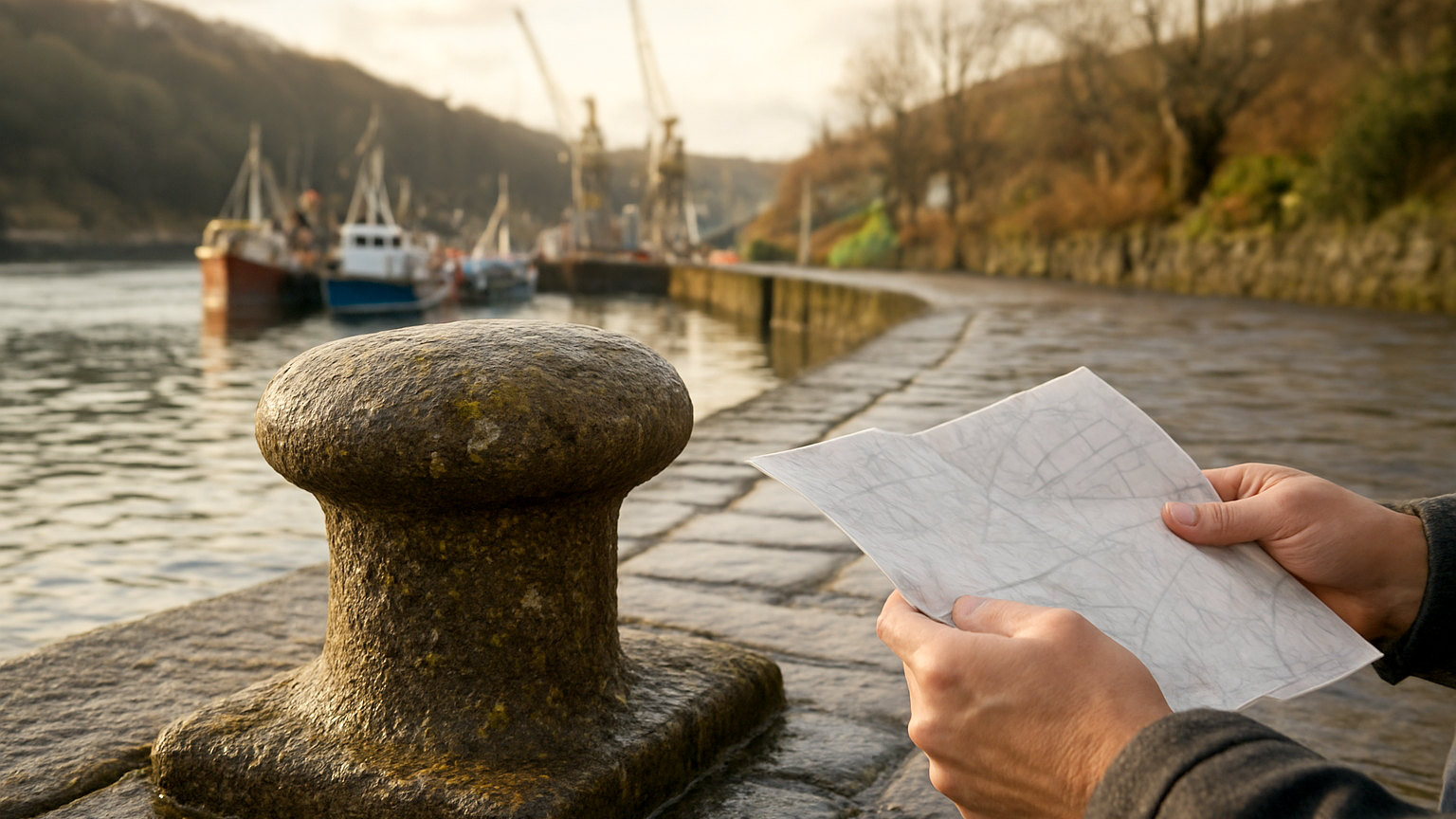
An early nineteenth century engineering solution to the enormous tidal range of the Avon, which left ships stranded in mud twice a day. Locks were built to keep a stretch of water permanently at a constant level, creating a harbour in the heart of the city.
It is now the focus of the centre, lined with converted warehouses, galleries, bars and museums, with ferries running along it. Walking the full circuit takes a couple of hours and is the best introduction to the place.
What did Brunel build here?
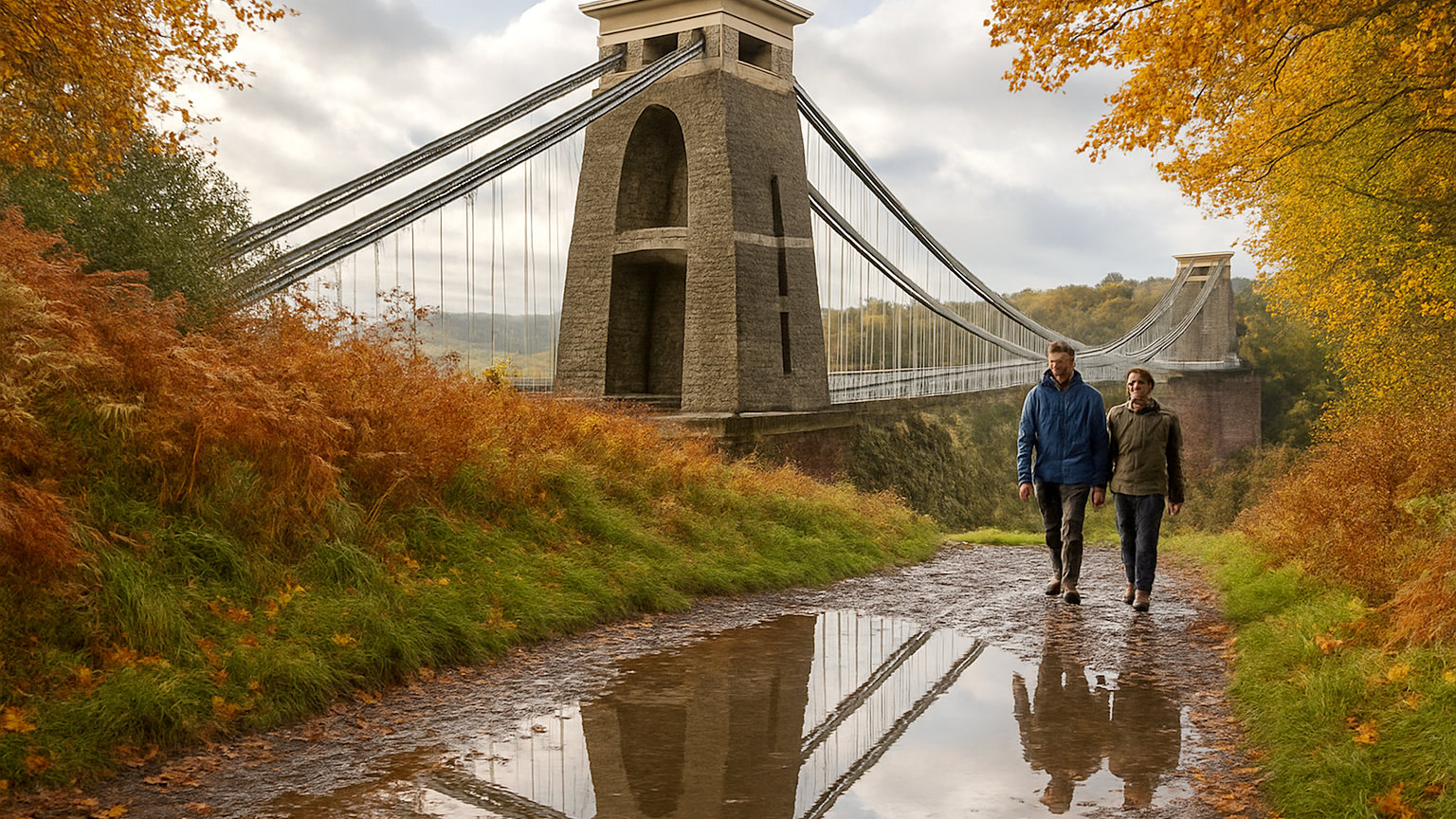
A remarkable amount. The Clifton Suspension Bridge spans the Avon Gorge on a scale that still impresses, and is free to cross on foot with a small visitor centre at one end.
The SS Great Britain, the first iron hulled, screw propelled ocean liner, sits in the dry dock where she was built, restored and open to visitors with the hull viewable from beneath a glass sea. Temple Meads station, also his, remains in use.
Is the street art worth seeking out?
Yes. Bristol has an established graffiti and street art culture and is the city most associated with the artist Banksy, several of whose works survive on walls around Stokes Croft and the centre.
Guided walks cover the main pieces and the wider scene, which is considerably broader than one artist. The Upfest festival, when it runs, repaints large parts of Bedminster over a weekend.
How does the city address its slave trade history?
Directly, and it is a live conversation rather than a settled one. Bristol was a major port in the transatlantic slave trade, and the wealth behind much of its architecture came from it.
The M Shed museum on the harbour covers the subject substantially, including the toppling of a statue of a slave trader during protests in 2020 and what followed. Visitors interested in how a British city handles a difficult past will find it unusually candid.
Which neighbourhoods should you visit?
Clifton for Georgian terraces, the bridge and the gorge. Stokes Croft for street art and independent bars. Bedminster and North Street for food and markets. Old City and King Street for historic pubs, one of which claims several centuries of trading.
St Nicholas Market in the centre is among the better covered markets in England for street food.
How does it compare with Bath?
They are fifteen minutes apart by train and entirely different. Bath is small, uniform, elegant and visitor focused. Bristol is large, mixed, scruffier in places and lived in.
Visiting both is straightforward and gives a much fuller picture of the region than either alone. Many people base themselves in Bristol for the lower prices and take the train into Bath for a day.
When should you go?
Summer for the harbour, which comes alive when the weather allows, and for the balloon fiesta, when hundreds of hot air balloons lift from a park on the edge of the city over several days in August. It is free to attend and draws very large crowds.
The city works year round otherwise, and its museums, food and music are indoor pleasures. Trains from London Paddington take around ninety minutes.
How do you get around?
The centre is walkable, though Bristol is built on hills and the climb from the harbour up to Clifton is a genuine one. Ferries run along the floating harbour and are a pleasant way to cover the waterfront. Buses serve the outer neighbourhoods, and the city has a strong cycling culture with the Bristol and Bath Railway Path, a traffic free route on a former line, running the fifteen miles between the two cities. Driving in the centre is awkward, with a clean air zone in operation and limited parking, so arriving by train is the easier option.