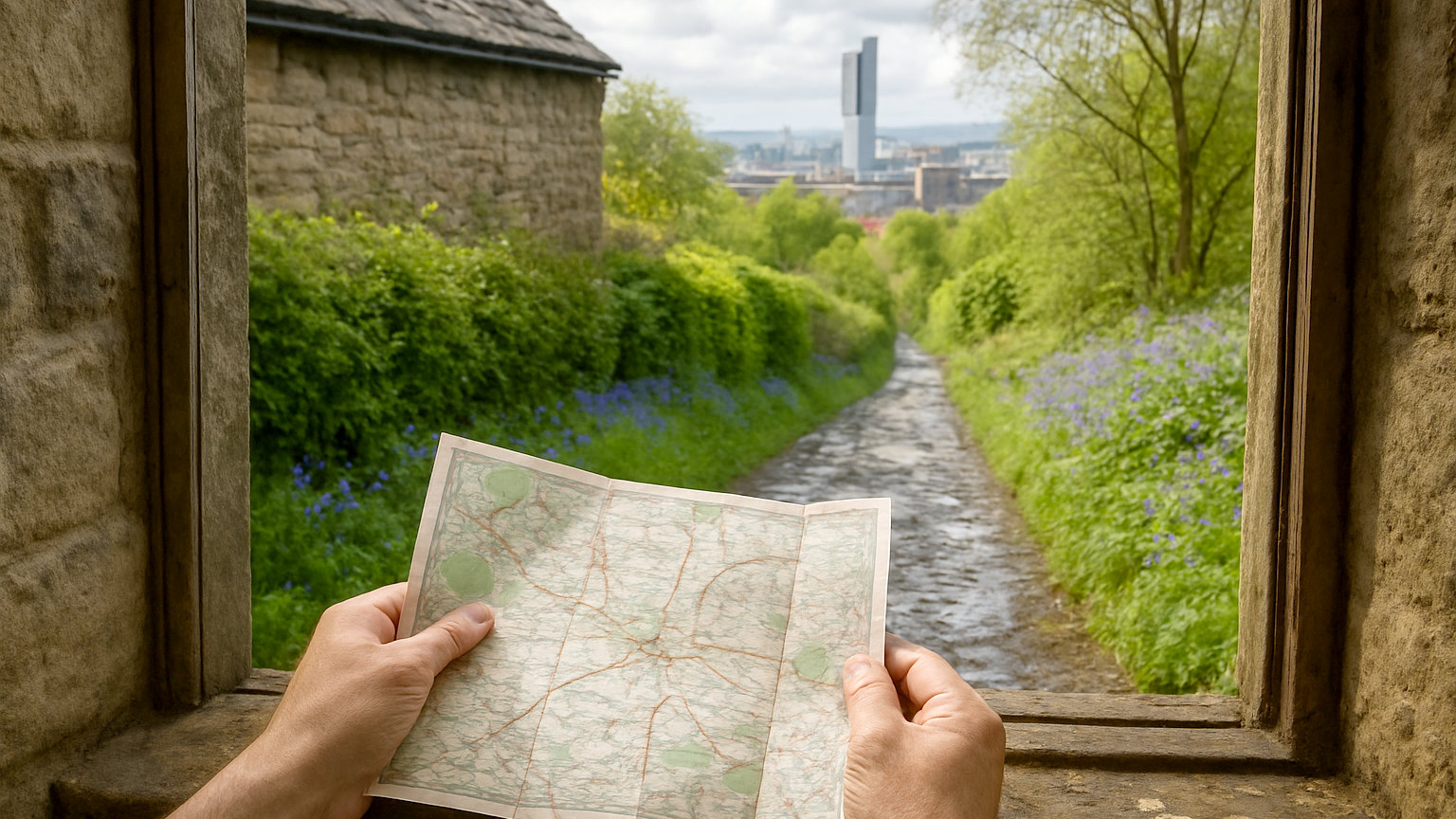
Manchester was the first industrial city in the world and it has spent the past thirty years becoming something else, with the warehouses converted, the canals cleaned and a cultural life that competes with anywhere outside London. It is also compact, walkable and considerably cheaper than the capital.
What is the city known for?
Cotton, first and foremost, which built the warehouses that dominate the centre and gave the city its nineteenth century wealth and its appalling working conditions.
Since then, science, football, music and a political radicalism that runs from the Peterloo massacre through the suffragettes to the present day.
Which museums should you visit?
The Science and Industry Museum, free, on the site of the world's first passenger railway station, covering the industries that built the city.
Manchester Art Gallery, free, strong in Pre Raphaelite painting. The Whitworth, the People's History Museum covering democracy and the labour movement, and the Manchester Museum, all free.
What about the libraries?
Chetham's Library, the oldest free public reference library in the English speaking world, still in its fifteenth century buildings and open by tour. Marx and Engels worked at a desk still shown to visitors.
The John Rylands Library on Deansgate, a neo Gothic building of extraordinary quality, free to enter and among the finest interiors in northern England.
Where should you walk?
The Northern Quarter, formerly the wholesale textile district and now the centre of independent retail, with record shops, vintage clothing, bars and street art.
Castlefield for canals, Roman remains and converted warehouses. Ancoats for former mills now full of restaurants. Salford Quays for the media buildings and the waterfront.
What about music?
A defining part of the city's identity, with a succession of internationally significant bands emerging from it since the nineteen seventies.
Venues range from small clubs to a large arena, and several guided walks cover the music history for anyone interested in where it happened.
How do you get around?
On foot for the city centre, which is small enough to cross in half an hour. The tram network covers the wider city including Salford Quays and the airport.
Manchester is a major rail hub with direct services to most of the country, and the airport has the widest range of destinations outside London.
Where should you eat and drink?
Ancoats for restaurants, the Northern Quarter for casual food and bars, and the Curry Mile in Rusholme for South Asian food on a scale found in few other British cities.
The city has a strong independent brewing scene with taprooms in the arches and industrial units, most open Thursday to Sunday only.
What day trips work?
The Peak District, which begins twenty minutes from the centre and is reachable by train on the line to Sheffield. The Lake District in ninety minutes.
Liverpool in forty minutes, Chester in an hour, and north Wales and Eryri in under two.
How long do you need?
Two or three nights for the city itself. Longer if you intend to use it as a base for the Peak District or the Lakes, which it does very well.
The free museums mean a wet day costs nothing, which is a genuine consideration in a city with this rainfall.
When should you go?
Any time, since most of the interest is indoors. Match days fill the city and the hotels, so check fixtures if you want a quiet weekend.
Prices are consistently below London for comparable quality, which is the main practical argument for a northern city break.
What about the football?
Two major clubs, both with stadium tours and museums, and match tickets that are difficult to obtain for league fixtures. The National Football Museum in the city centre is free and covers the game's history, which is a reasonable alternative for anyone who cannot get into a ground.
What is worth knowing about the weather?
Manchester's reputation for rain is only partly deserved, though it does sit on the wet western side of the Pennines and receives noticeably more than Yorkshire on the other side. Since almost all the main attractions are indoors and free, it matters less here than in most destinations.