Sheffield is the only British city with a national park inside its boundary, has more trees per head than any comparable European city, and made the steel and cutlery that carried its name around the world. It is also among the least visited large cities in England, which is largely a marketing failure rather than a reflection of what is there.
What is the city known for?
Steel, and specifically the invention of crucible steel and stainless steel here, which made Sheffield cutlery a global standard. Several firms still manufacture in the city.
Also for its setting, built on hills between five river valleys with moorland rising directly behind the suburbs.
Where do you see the steel heritage?
Kelham Island Museum, in a former industrial district, which holds a working Bessemer converter and runs demonstrations of a river powered engine of enormous size.
The surrounding Kelham Island quarter has been redeveloped with bars, restaurants and breweries in the old works, and is now among the liveliest parts of the city.
What about the galleries?
The Millennium Gallery in the centre, free, holding the metalwork collection and a group of works and writings by a Victorian critic who took a particular interest in the city's craftsmen.
The Graves Gallery above the library, also free, and the Site Gallery for contemporary work.
How close is the Peak District?
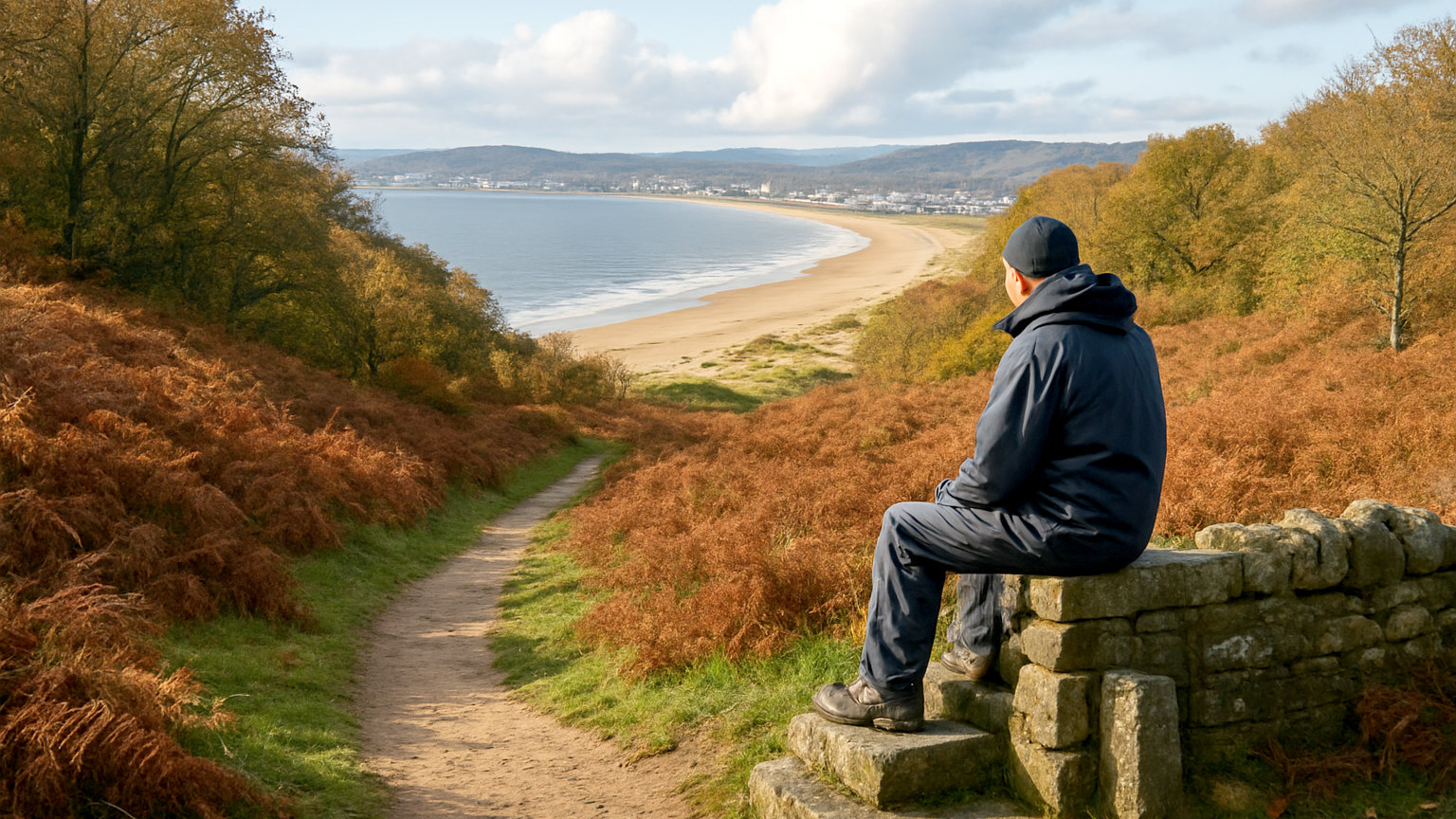
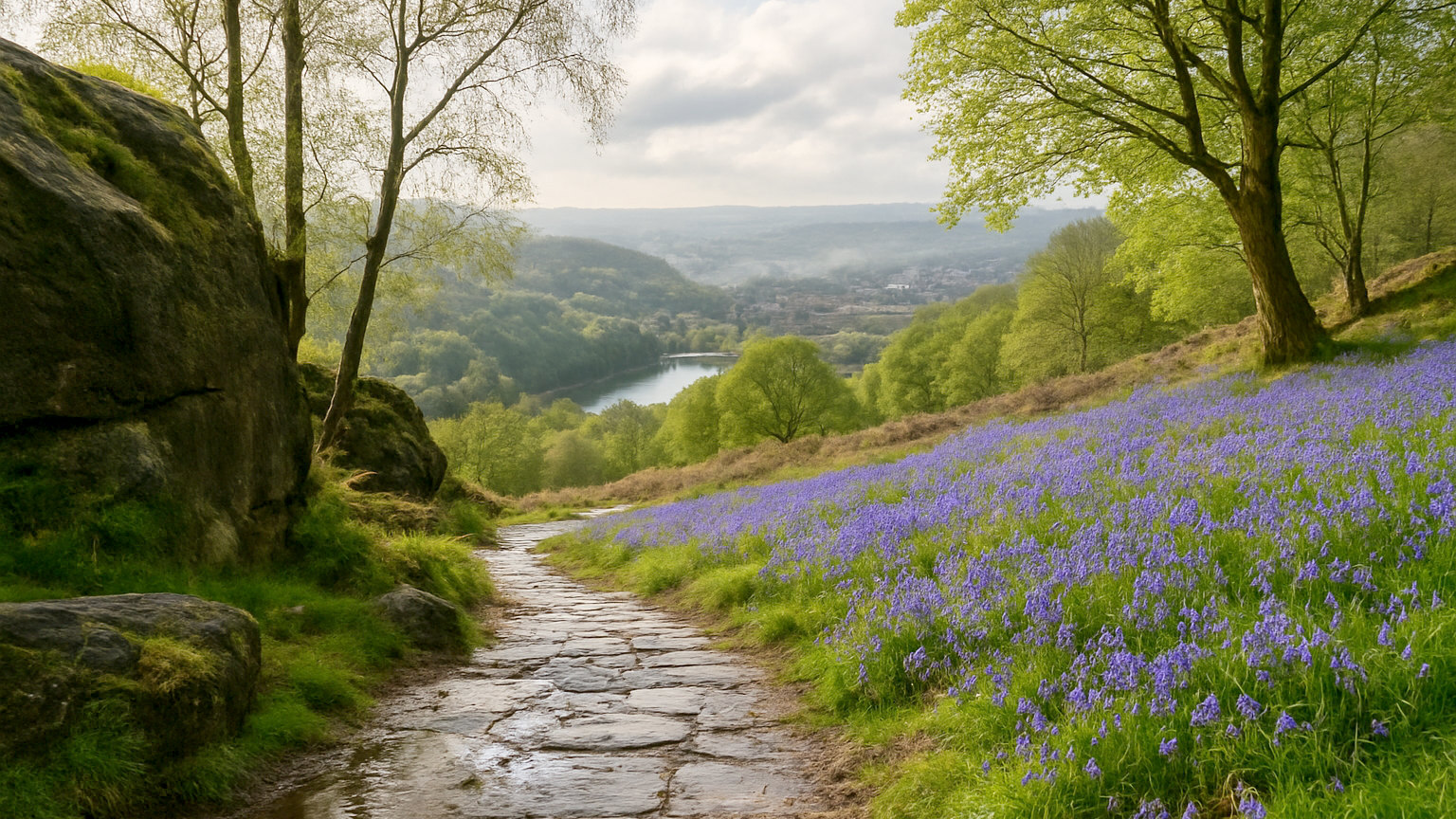
Inside the city boundary in the west, and reachable by ordinary bus from the centre in half an hour. The moorland edges above the city are walkable from suburban streets.
The train to Manchester runs through the Hope Valley with stations at the trailheads, which makes Sheffield among the best based cities in Britain for walking.
What about the gardens and parks?
The Botanical Gardens, free, with restored glass pavilions. The Winter Garden in the centre, a large temperate glasshouse open free and connected to the gallery.
Endcliffe Park and the Porter Valley run from the city into the hills along a chain of former mill dams.
Where should you eat and drink?
Kelham Island and Neepsend for independent food and a concentration of breweries and taprooms, several within a short walk of each other.
Sheffield has a strong real ale tradition and one of the highest concentrations of independent breweries of any British city.
How do you get around?
On foot in the centre, which is hilly and compact, with a tram network reaching the suburbs and the retail complex to the north east.
Trains run to Manchester through the Peak District, to Leeds and York, and to London in around two hours.
What music and theatre is there?
A substantial theatre complex in the centre with a national reputation, and a live music scene that has produced several internationally known acts.
The city holds a documentary film festival that is among the largest of its kind in Europe.
How long do you need?
Two nights for the city and the immediate hills. Longer if you intend to walk in the Peak District, which is what most visitors should be doing here.
Accommodation is among the cheapest of any English city of its size.
When should you go?
Spring to autumn if walking, since the moors are the point. The museums and galleries make winter perfectly workable.
The city is quiet by comparison with Manchester or Leeds, which is one of its better features.
What about the surrounding valleys?
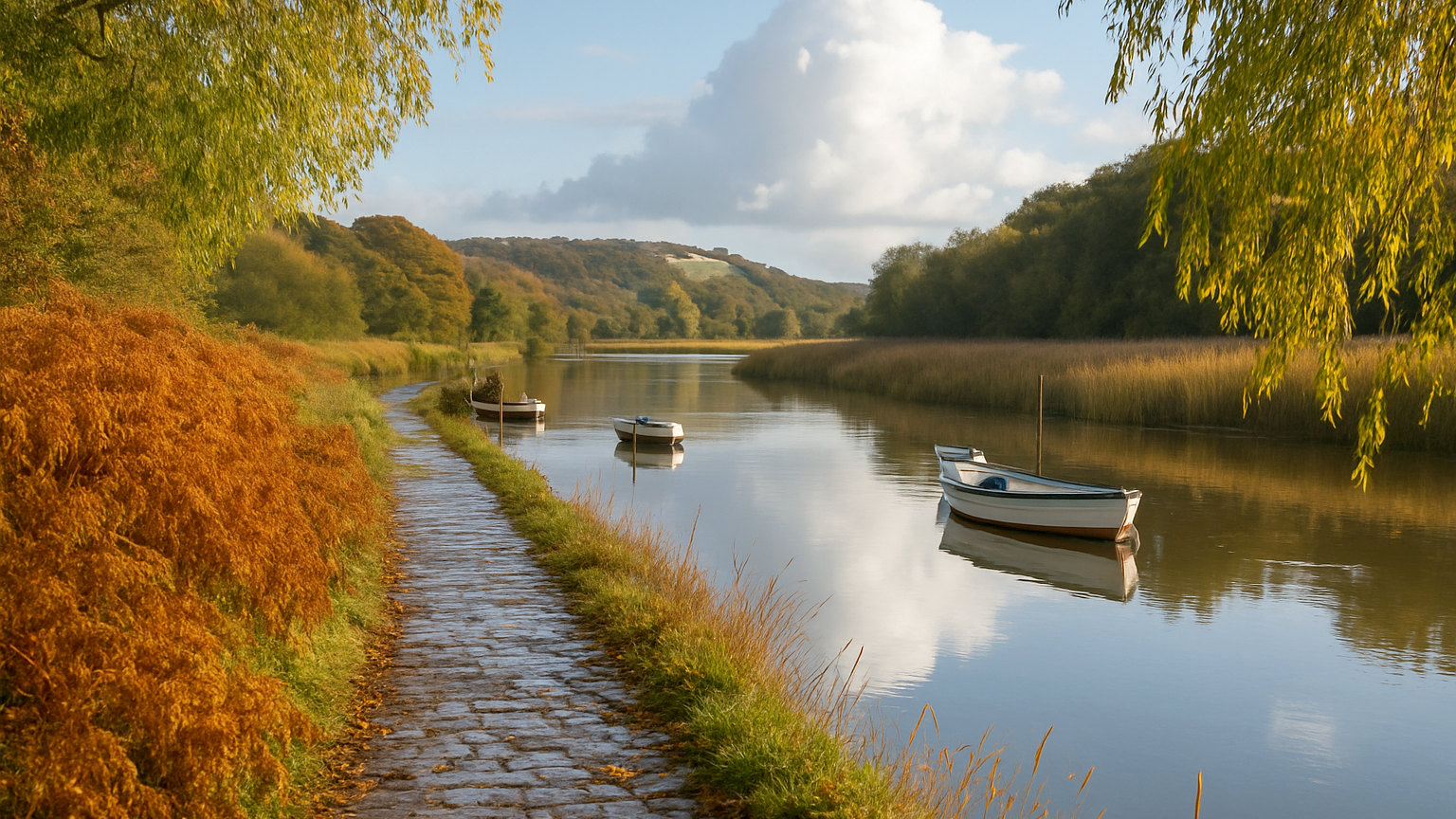
The city is built across five river valleys, each of which held water powered industry, and the remains of dams, goits and grinding hulls survive along them. Several are now footpaths running from the suburbs into the moors, which makes an unusually good urban walk and explains why the city developed where it did.
What is worth seeing nearby?
Chatsworth, Haddon Hall and the Peak District villages within half an hour. The Yorkshire Sculpture Park to the north. Derbyshire's show caves and the limestone dales to the south west, all reachable on a day out and none requiring a long drive.