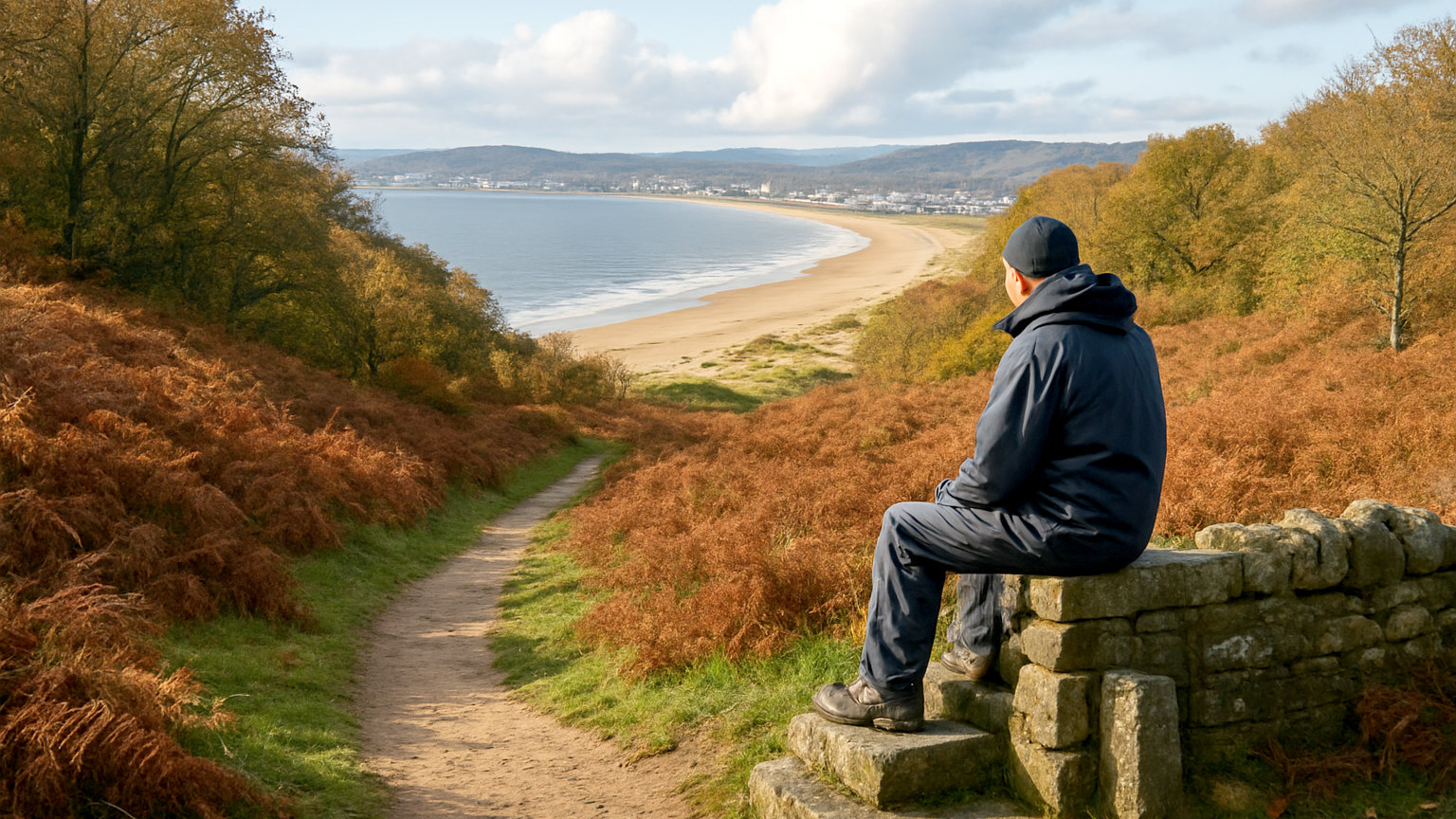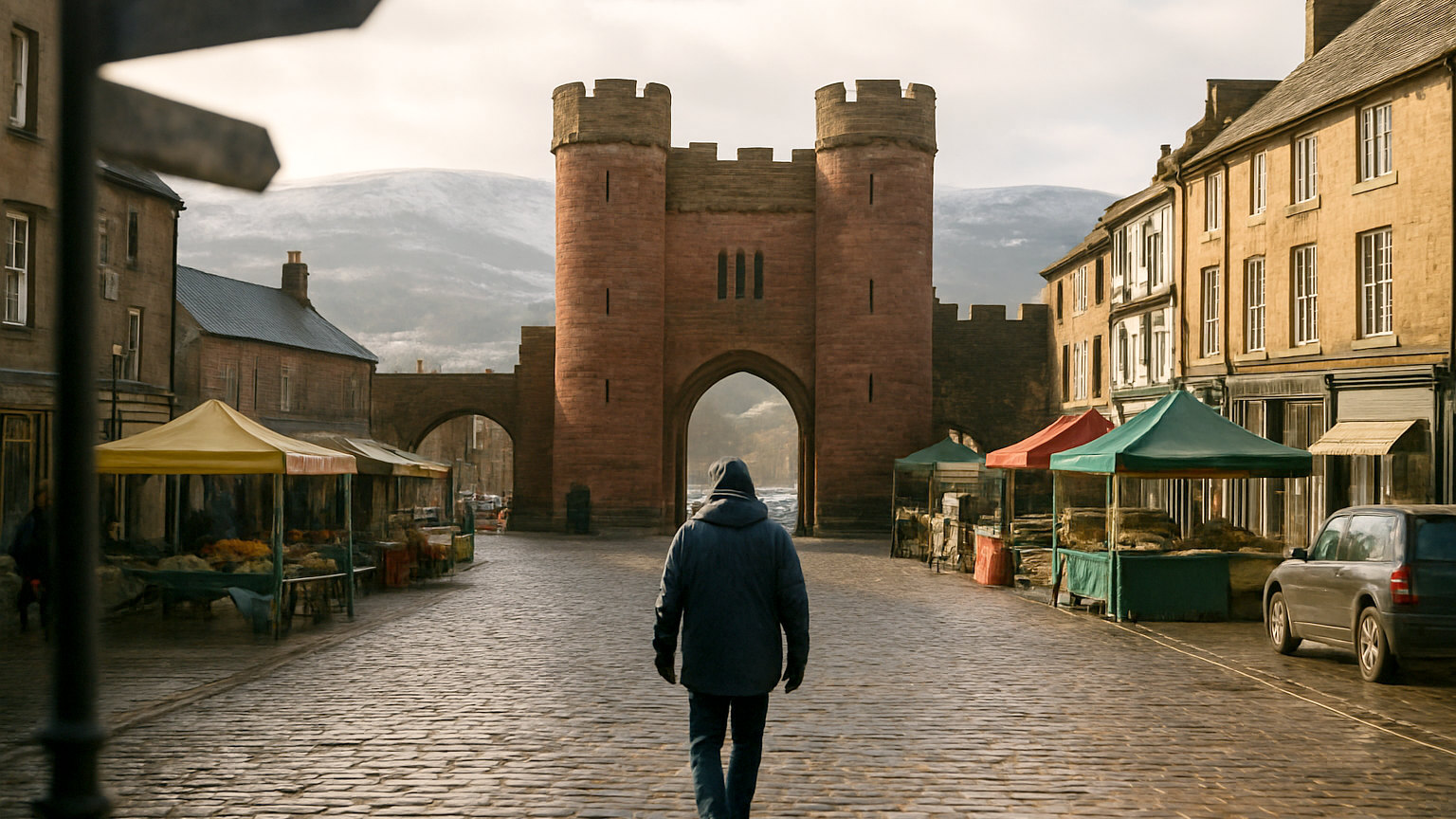
Britain's older cities were laid out long before cars and many of them have never adapted comfortably. In a good number of cases arriving by train and walking is not merely a reasonable alternative to driving but a clearly better experience, with the car actively getting in the way.
Which cities work best entirely on foot?
York, Bath, Chester, Durham, Cambridge and Canterbury. Each has a compact historic centre that can be crossed in twenty minutes, a mainline station close to it, and a good deal of pedestrianisation in between.
In all six, a car spends the weekend in an expensive car park while you walk past it. Bringing one adds cost and stress without adding access.
What about the larger cities?
London is the clearest case in Britain. The Underground, buses, overground rail and contactless payment with automatic daily capping make the whole city accessible, and driving involves congestion charging, emission zone charges and parking costs that make it irrational for a visitor.
Edinburgh, Glasgow, Manchester, Liverpool, Newcastle and Birmingham all have tram, metro or dense bus networks and compact centres. In each the car is unnecessary for anything within the city.
Where is parking a genuine liability?
Bath, York, Oxford, Cambridge and Edinburgh old town. In each, central parking is scarce, expensive and often awkward to reach through restricted streets, and several operate park and ride from the outskirts precisely because of it.
Several cities also run clean air or low emission zones with automatic number plate enforcement. Hire cars pass the charge on with an administration fee, so checking the zone boundaries for any city you intend to drive into is worth a few minutes.
How good are the rail connections?
Better than most visitors expect between major cities. London to York, Bath, Bristol, Manchester, Liverpool and Newcastle are all direct and take between ninety minutes and three hours, generally faster than driving once city traffic is included.
Cross country links are also strong: Manchester to Liverpool, Leeds or Chester in under an hour, Edinburgh to Glasgow every fifteen minutes, and Cardiff to Bristol in fifty minutes.
How do you keep the fares down?
Book advance tickets for specific trains, which are released several weeks ahead and cost a fraction of walk up fares on long routes. Travel off peak, avoiding the morning and evening commuter periods.
A railcard giving roughly a third off is available for several groups and usually pays for itself within one or two returns. Split ticketing, where one journey is bought as several tickets on the same train, is legal and often cheaper.
Which cities have a good day trip by rail?
Manchester to Edale for the Peak District, straight from the platform to the hills. Newcastle to Tynemouth on the Metro for a beach. Edinburgh to North Berwick or Linlithgow. London to Oxford, Cambridge, Brighton or Windsor, all under an hour and a half.
York sits between two national parks with rail access to Whitby via a heritage line connection at Grosmont.
When does a car still make sense?
When your trip extends beyond the city into countryside with thin public transport, or when you are travelling with a lot of equipment or several small children. The Cotswolds, the Dales, the Highlands and rural Wales all effectively require one.
A common approach that works well is to do the cities by rail at either end of a trip and hire a car only for the rural section in the middle, picking it up from a station rather than an airport.
What should you check before booking?
The walking distance from the station to your accommodation, which is the single most useful number for a car free trip. Whether the station is the main one, since several cities have more than one and the secondary stations can be inconveniently placed. Whether engineering works are scheduled for your dates, which are published well in advance and frequently mean rail replacement buses at weekends. And whether the return service runs late enough on a Sunday, since evening frequencies drop sharply on many routes and the last useful train can be earlier than expected.