Liverpool was built on the sea, and everything distinctive about it comes back to that: the docks, the wealth, the migration, the music that came in with sailors and went out to the world. It is a compact city with an unusually strong sense of itself, and it holds more listed buildings than anywhere in England outside London.
What is the waterfront like?
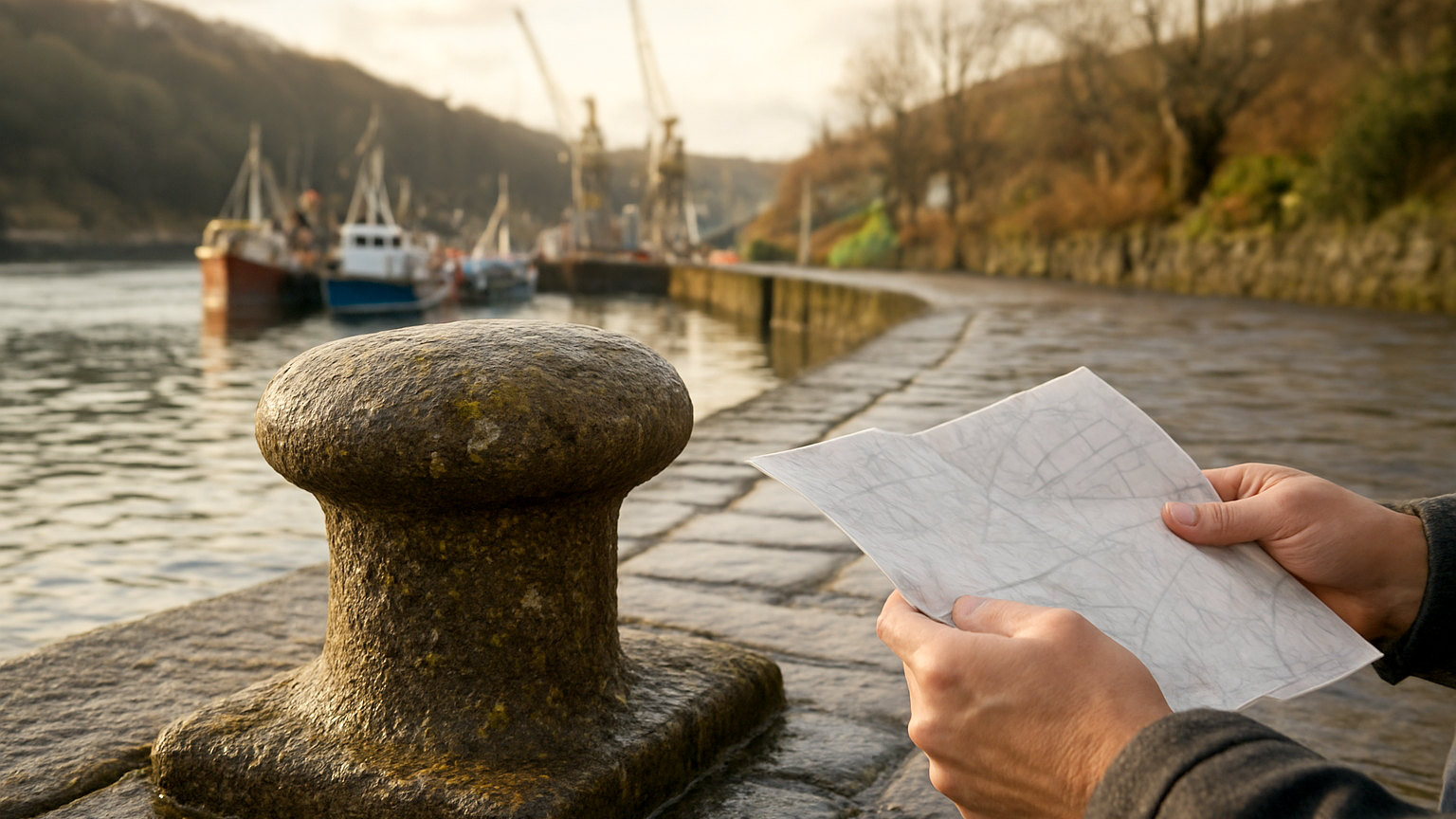
The centrepiece. The Royal Albert Dock is a complex of Victorian warehouses built without structural timber, now holding museums, bars and restaurants around a dock basin.
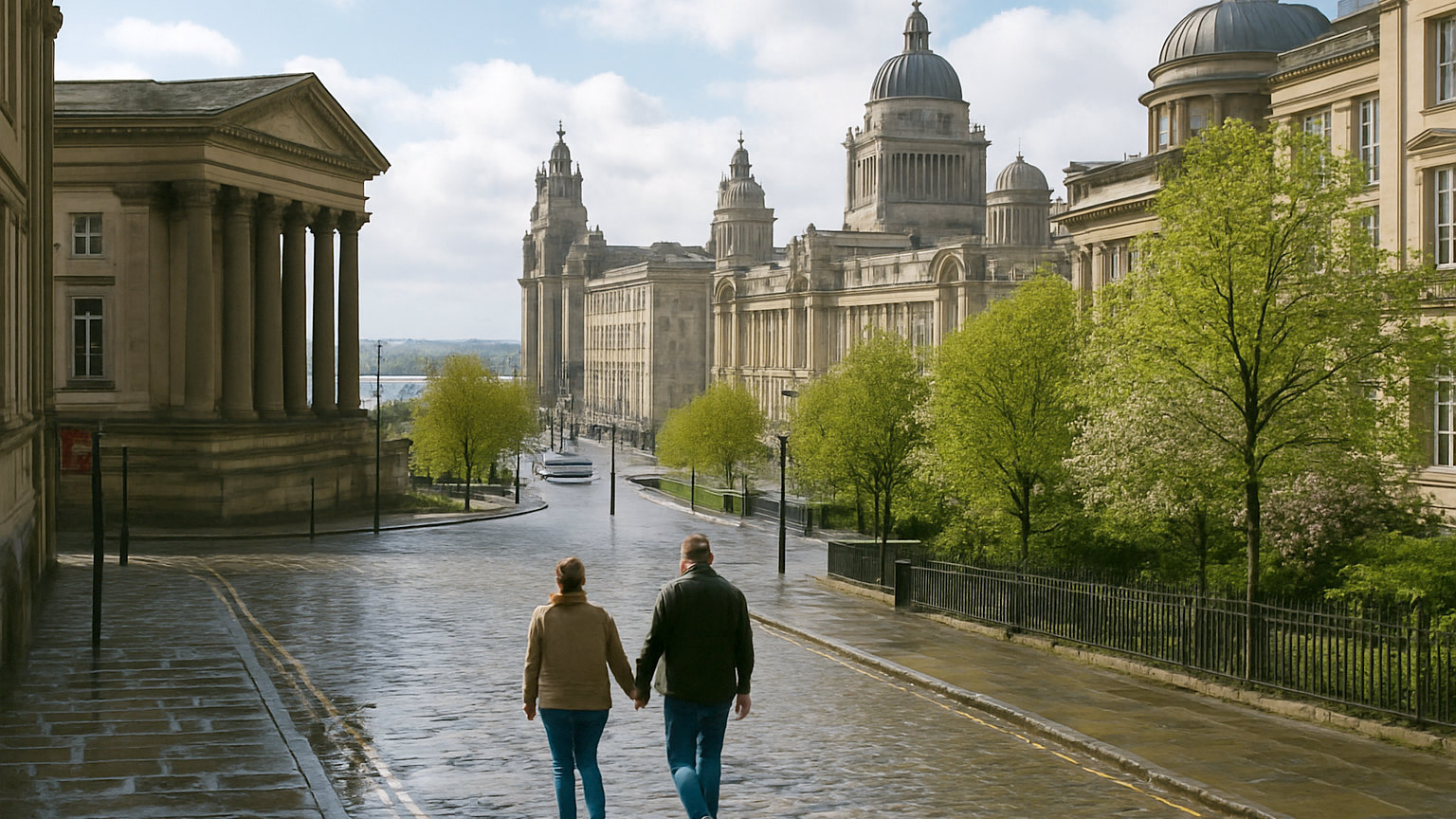
Along the Pier Head stand the Three Graces, a trio of early twentieth century buildings including the Royal Liver Building with its mythical birds on the roof. The ferry across the Mersey remains a genuine crossing as well as a tourist ride, and gives the best view back at the city.
Which museums should you prioritise?
The Museum of Liverpool for the city's own story, the Merseyside Maritime Museum for the port, and beneath it the International Slavery Museum, which addresses the city's central role in the transatlantic slave trade directly and unflinchingly.
The Walker Art Gallery holds one of the best collections outside London. Tate Liverpool sits on the dock. All of these are free.
How much Beatles content is there?
As much as you want. The Beatles Story at the dock is the main museum. The Cavern Club on Mathew Street is a reconstruction on the original site and still hosts live music daily.
The National Trust owns the childhood homes of Lennon and McCartney and runs minibus tours to both, which need booking well ahead and are the most substantial version of the pilgrimage. Magical Mystery Tour buses cover Penny Lane and Strawberry Field for those who want the highlights in two hours.
Why are there two cathedrals?
One Anglican, one Catholic, at either end of a street called Hope Street, and they could hardly be less alike. The Anglican cathedral is the largest in Britain, a vast sandstone Gothic building completed in the twentieth century.
The Metropolitan Cathedral is a circular modernist structure of the nineteen sixties with a lantern of coloured glass, known locally by a nickname referring to its shape. Both are open to visitors and the contrast between them is the point.
How long do you need?
Two days covers the waterfront, a couple of museums and the Beatles sites. Three allows the cathedrals, the Georgian quarter around Hope Street and time in the independent areas of the Baltic Triangle.
Everything central is walkable, though the walk from the dock up to the Anglican cathedral is a genuine climb.
What is the football situation?
Two major clubs with a fierce local rivalry, both running stadium tours. Match tickets are hard to obtain and should only be bought through official channels.
The city takes football seriously enough that a matchday changes the atmosphere across the centre, which is worth knowing whether you want to be part of it or not.
When should you go?
Spring and summer for the waterfront, which is exposed and cold in winter wind. The city hosts a large calendar of events including music festivals and, periodically, tall ships gatherings on the river.
Liverpool is around two hours from London by train and forty minutes from Manchester, which makes it easy to combine with a wider trip through the north west.
Where should you stay and eat?
The Ropewalks and Baltic Triangle for independent bars, street food and music venues in converted warehouses. The commercial district and waterfront for larger hotels close to the museums. Hope Street and the Georgian quarter for a quieter base between the two cathedrals, with some of the best restaurants in the city. Bold Street is the strongest single street for eating, with a long run of independent places covering most cuisines at reasonable prices. The centre is small enough that none of these choices commits you to a journey of more than twenty minutes on foot.