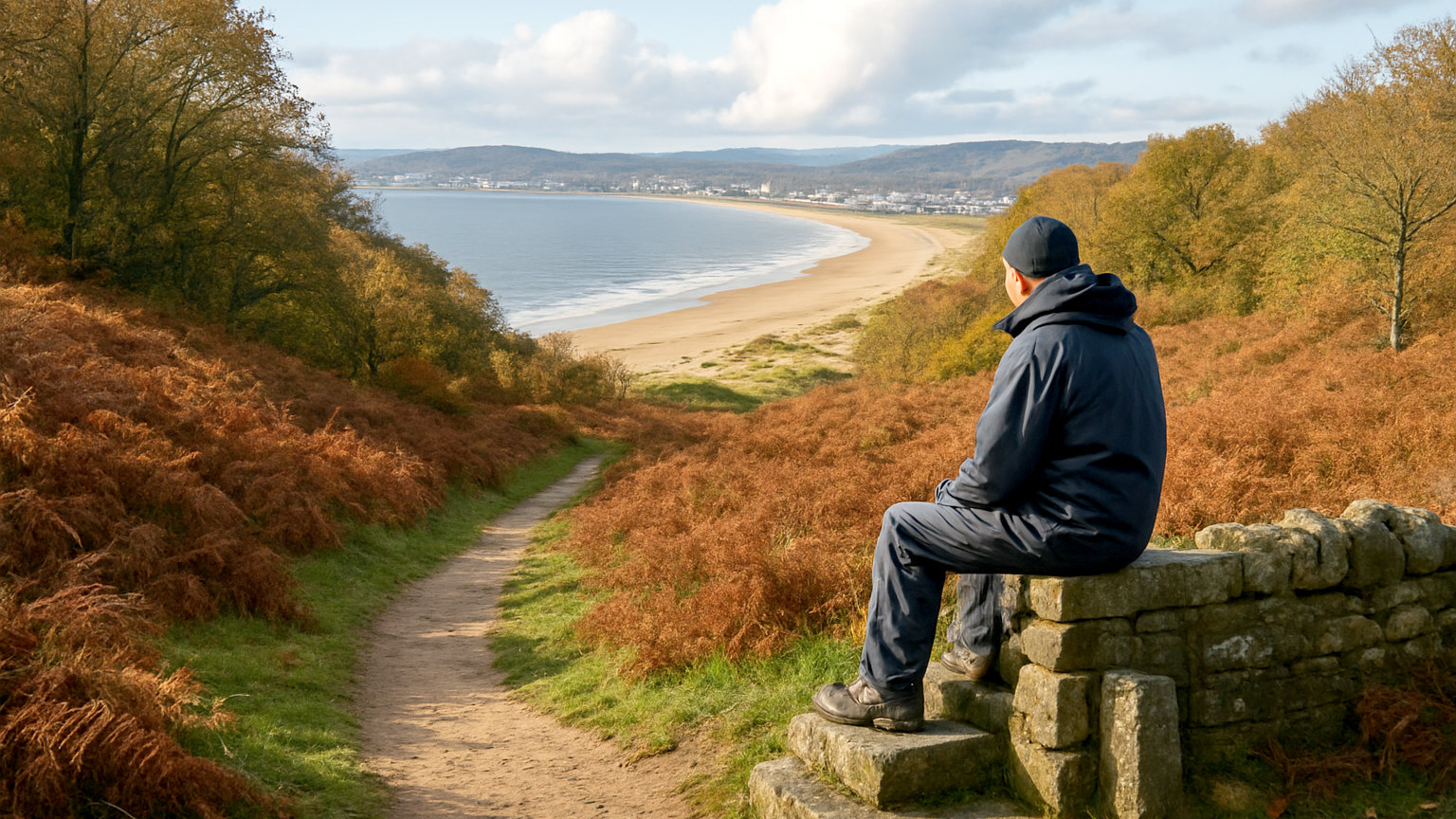
Swansea is Wales's second city, built on copper smelting and heavily bombed in the war, which explains a centre that visitors frequently find underwhelming. What redeems it entirely is position: a five mile bay curving west to a headland, and beyond that the Gower, the first area in Britain designated for its outstanding natural beauty.
What is in the city itself?
Swansea Market, the largest indoor market in Wales, where laverbread and cockles from the Loughor estuary are sold alongside everything else, and which is the best thing in the centre.
The National Waterfront Museum, free, covering Welsh industry and innovation, and a marina in the former docks with the Dylan Thomas Centre nearby.
What is the Dylan Thomas connection?
He was born and grew up here, in a terraced house in the Uplands which is preserved, furnished to the period and can be visited and even stayed in.
The park opposite appears in his work, and a centre in the maritime quarter covers his life and writing in more detail.
What is Mumbles?
A village at the western end of the bay, reached along the seafront by a five mile promenade and cycle path, with a pier, a lighthouse on an island and a row of independent shops and restaurants.
It is where a great many people in Swansea spend their weekends and is a considerably more appealing base than the city centre.
What is the Gower?
A peninsula extending west from the city, with limestone cliffs, dunes, castles, marsh and a series of beaches that are among the finest in Britain.
Rhossili at the western end, a three mile arc of sand below a down, is regularly named in lists of the best beaches anywhere and is around forty minutes from the city.
Which Gower beaches are best?
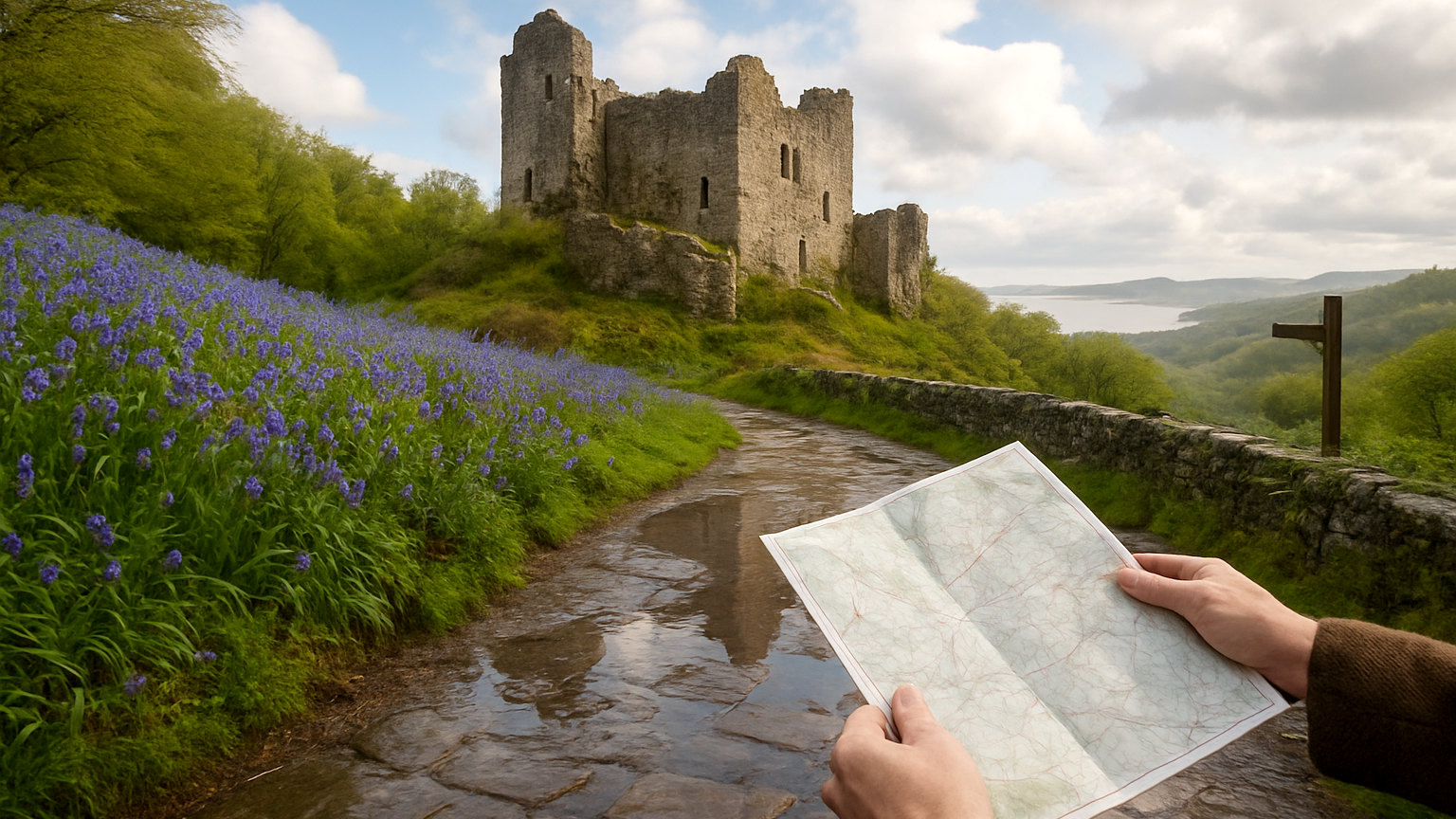
Rhossili for scale and drama, Three Cliffs Bay for the setting with a ruined castle above it, and Oxwich and Caswell for family swimming with easier access.
Several require a walk down and back up, which is the reason some stay quiet even in August.
What should you know about the tides?
Worms Head at the tip of Rhossili is a tidal island reached across a causeway that is passable for only a few hours either side of low water.
People are cut off there every year and require rescue. Safe crossing times are published at the coastguard hut and must be followed exactly.
How do you get around?
Buses along the bay to Mumbles and out onto the Gower, and a bike path along the whole seafront which is flat and separated from traffic.
Trains run to Cardiff in under an hour and to London in around three. A car helps considerably for the Gower, though buses reach the main beaches in summer.
Where should you eat?
Mumbles for the concentration of restaurants, the market for cockles and laverbread, and the Uplands for neighbourhood places.
Local seafood is the strength, with cockles gathered from the estuary and Gower salt marsh lamb, which has protected status.
What else is nearby?
The Brecon Beacons within an hour, Carmarthenshire and Laugharne to the west, and the industrial valleys inland.
The Wales Coast Path runs through the city and round the whole Gower, which is among its finest sections.
How long do you need?
Three nights, with one day in the city and two on the Gower, which is the correct proportion.
Most visitors treat Swansea as the base and the peninsula as the destination, which is exactly right.
What was the copper industry?
Swansea smelted a substantial share of the world's copper in the nineteenth century, drawing ore from Cornwall, Chile and Cuba, and the lower Swansea valley became one of the most polluted landscapes in Britain. It has since been reclaimed as parkland, and the remains of works are visible along the river, which is among the more remarkable environmental recoveries in the country.