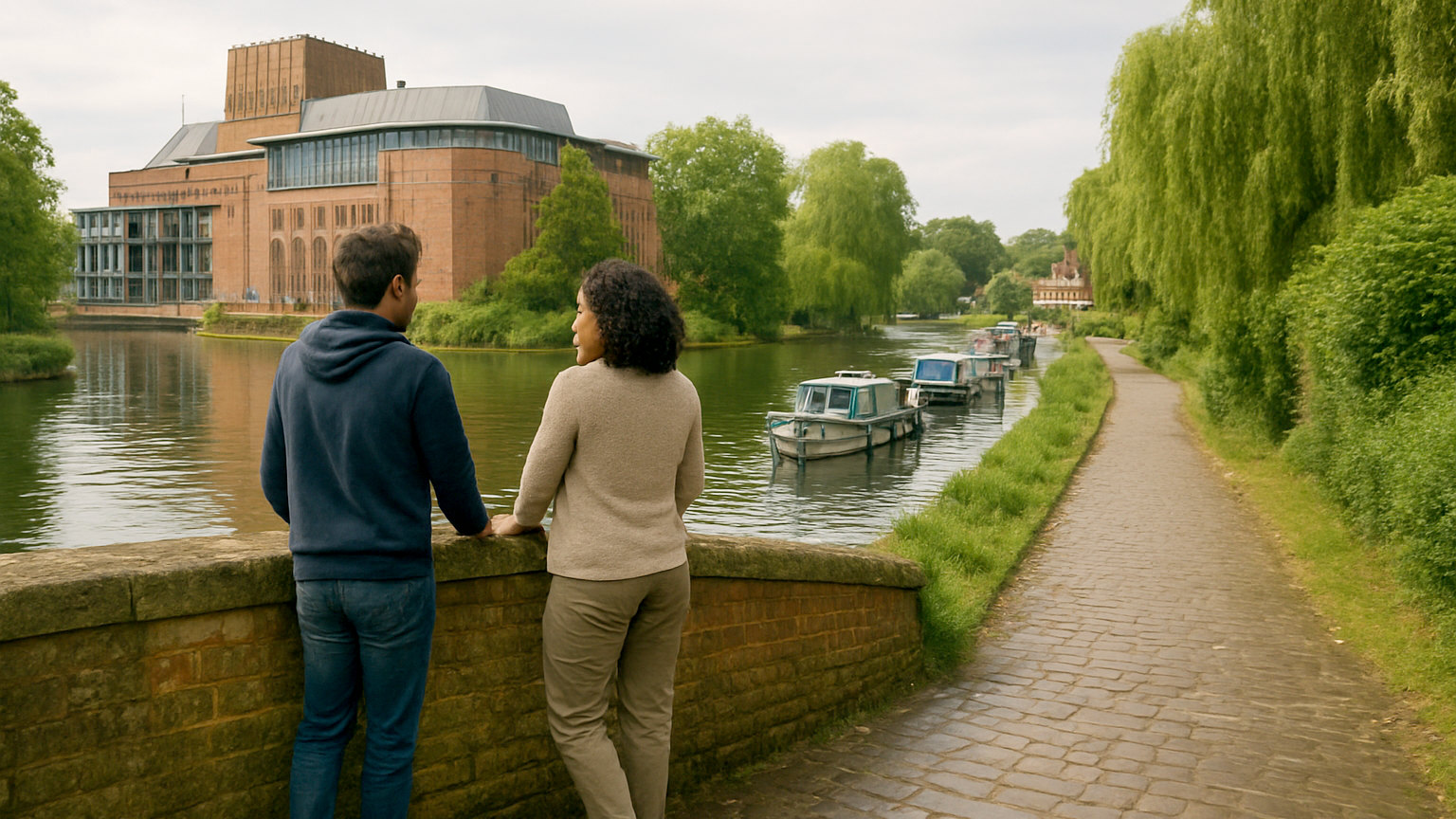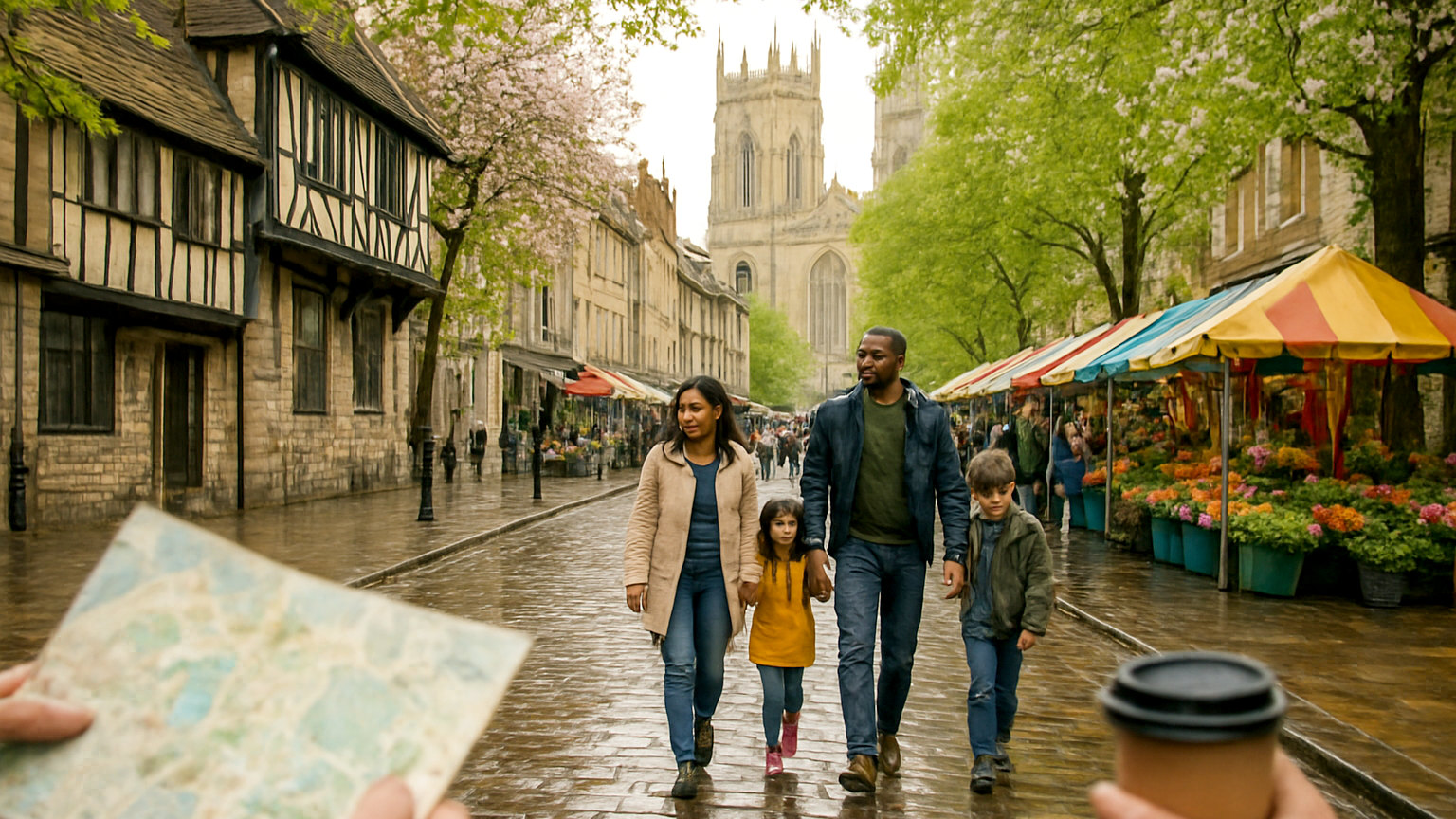
A city break with small children is a different holiday from the same trip without them, and treating it as an adult weekend with children attached is how it goes wrong. Done with the right expectations it works very well, partly because British cities offer an unusual amount that is free and indoors.
What has to change about the plan?
The pace, mainly. One substantial activity a day rather than three, with time in a park or a cafe between things, and a return to the accommodation in the afternoon if anyone still naps.
Accept that you will see less. A city break with a three year old that includes one museum, one park and one good meal is a success; one that includes four attractions is an endurance exercise for everybody.
What makes British cities good for this?
Free museums. The nationally funded museums charge no admission, which means you can go in for forty minutes, leave when patience runs out and return the next day without having wasted a ticket.
That single fact changes how you can use them. Paid attractions create pressure to extract value; free ones remove it entirely.
Which cities work best?
London, for the sheer concentration of free museums including the Natural History Museum and the Science Museum. Liverpool and Glasgow for the same reason at a smaller scale and lower cost.
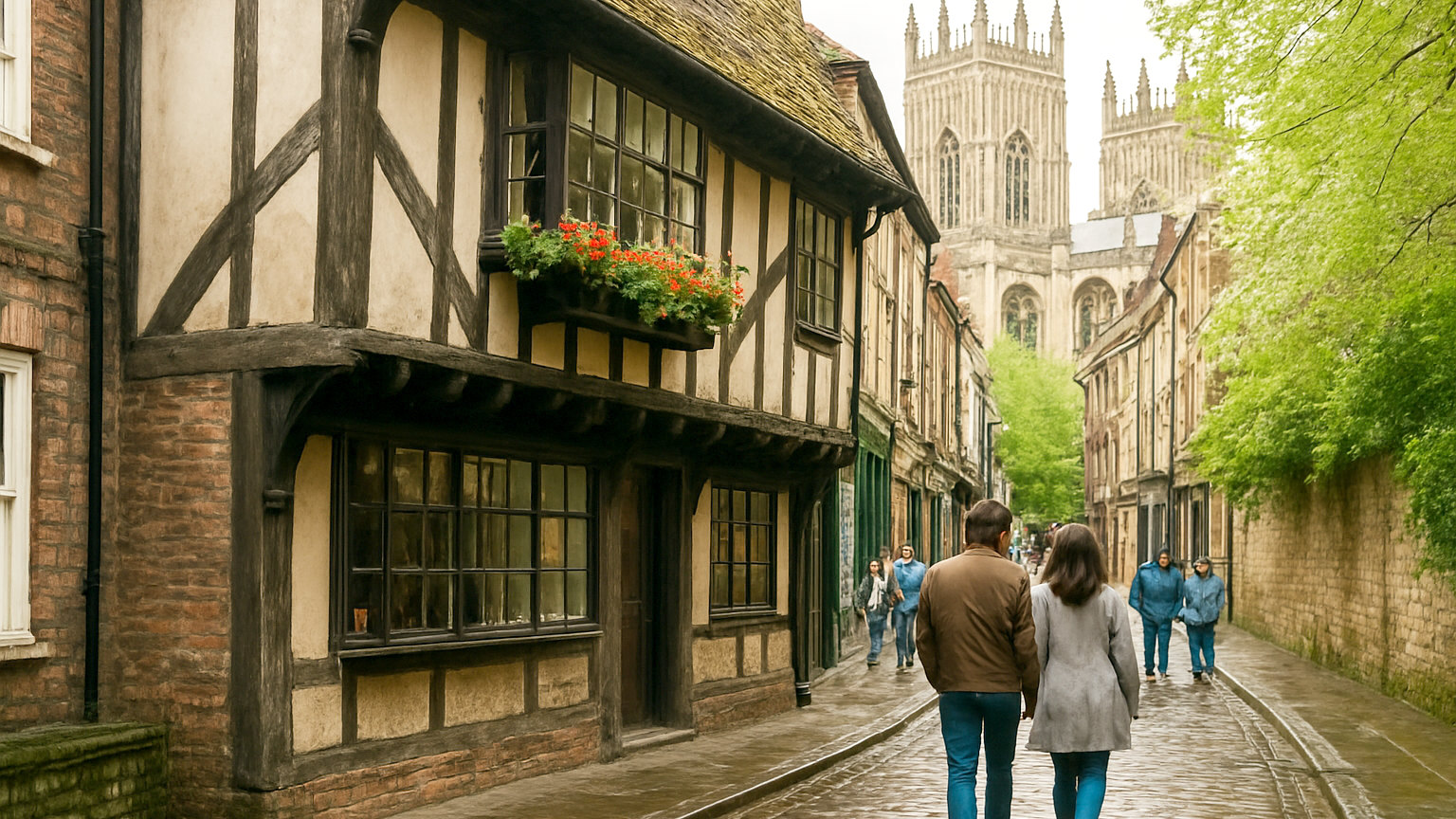
Edinburgh and York for compactness, since everything is close and there is less transit. Cardiff for free museums plus St Fagans, an open air museum where children can run.
How do you handle transport?
Children under five generally travel free on trains, and a family railcard gives substantial discounts for older ones, typically paying for itself on a single journey.
Buggies are manageable on most city transport but the Underground in London is difficult, with many stations lacking lifts. Check step free access before relying on a route, or use buses, which are all accessible.
Where should you stay?
Central, and in an apartment or a family room rather than a standard double. Space matters more with children, and a kitchen means breakfast without a restaurant and a place to eat when nobody wants to go out.
Being able to walk back for a nap without a twenty minute journey is worth paying for on this kind of trip.
What should you build into every day?
A park. Every British city has good ones and they are the reliable release valve when a museum has run its course. Somewhere to eat that is relaxed about children, which pubs generally are before evening.
And a wet weather option, since a rainy day with small children and no indoor plan is the worst version of this trip.
What should you avoid?
Anything with a long queue, anything with timed entry that cannot be moved, and any restaurant requiring a reservation at a fixed hour in the evening. All three remove the flexibility that makes the trip work.
Also avoid trying to do adult sightseeing in parallel. A cathedral is twenty minutes with a toddler rather than an hour, and expecting otherwise creates friction.
Is it better than a countryside break?
For some families, yes. Cities offer more indoor options in bad weather, more food choices, and shorter distances between everything. Countryside offers space to run and no need to keep hold of anyone near a road.
Under about three, the countryside is usually easier. From four or five upwards, cities start to offer things children actively enjoy, and museums designed for them are among the best in Europe.
What should you book in advance?
Accommodation with the right layout, which is the thing that most affects how the weekend goes, and any family room or apartment well ahead since there are fewer of them. A restaurant for the first evening that is genuinely relaxed about children rather than merely tolerant. And train seats together, which on a busy service is not guaranteed without a reservation. Leave the attractions unbooked wherever possible, because the flexibility is worth more than the small saving.