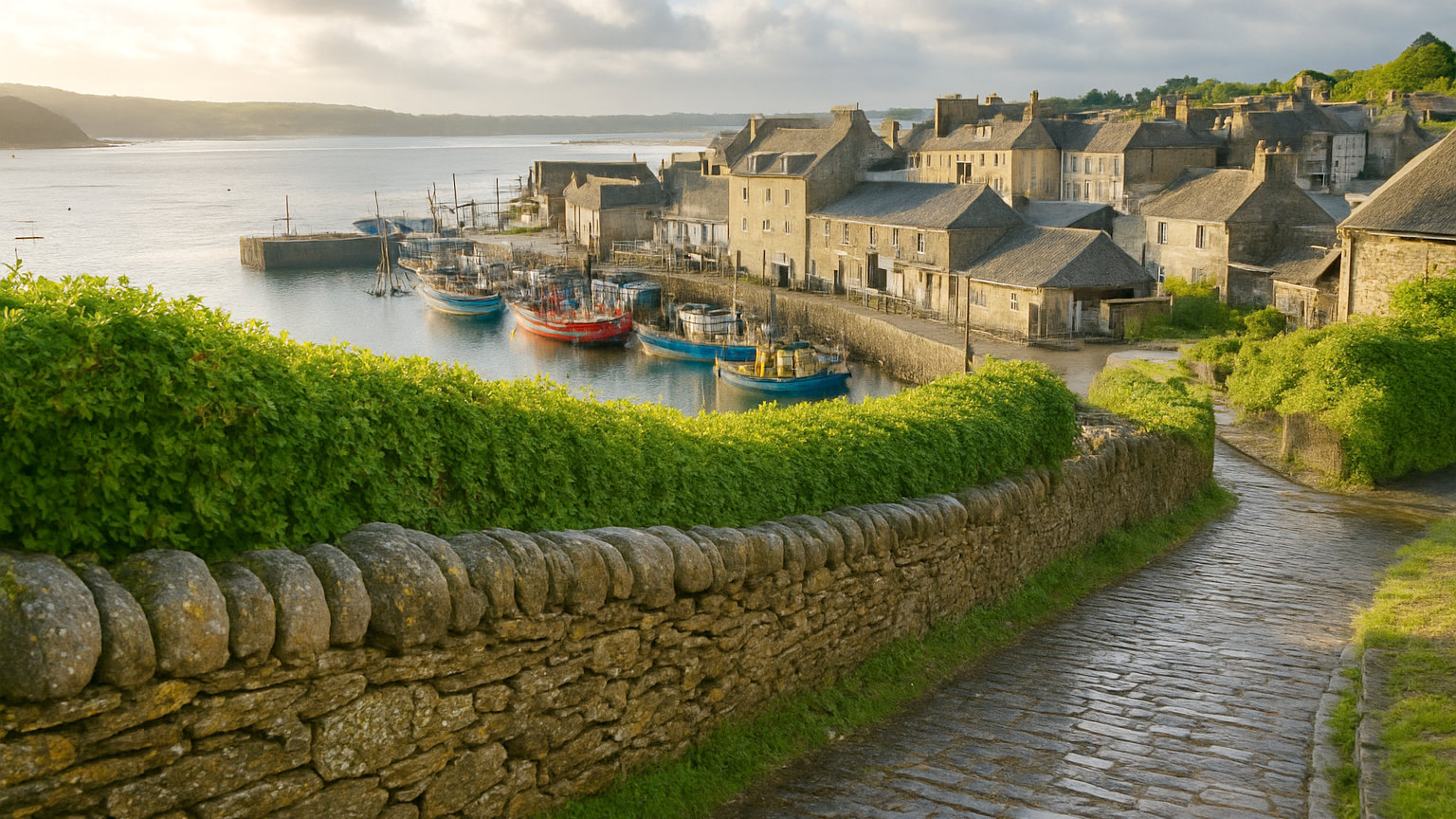
The British beach season as most people understand it runs from late July to the end of August, which is when the schools break up. That is not, however, when the coast is at its best, and the gap between the conventional season and the actual optimum is one of the more useful things to know about holidaying here.
When is the sea warmest?
Late August and September, not June or July. Sea temperature lags roughly two months behind air temperature because water takes so much longer to warm, so the water is at its most tolerable just as the beaches empty.
This surprises people every year. Swimming in June is markedly colder than swimming in September, despite June often feeling like the more summery month on land.
When are the beaches busiest?
The six weeks from the third week of July to the start of September, with the peak in the fortnight either side of the August bank holiday. Popular beaches in Cornwall, Devon, Pembrokeshire and the Gower fill their car parks by mid morning.
Easter and the late May half term produce shorter spikes. Outside those, even a fine weekend in June sees a fraction of the August numbers.
What is the best overall window?
The first three weeks of September. The water is at its warmest, the weather is broadly similar to August, prices drop sharply once schools return and the beaches empty almost overnight.
Late June is the other strong candidate, with the longest days of the year, low crowds and everything open for the season, at the cost of colder water.
How does it differ around the coast?
The south west is mildest and has the longest season, with Cornwall and south Devon usable from May to October. The east coast is colder in the water but drier and sunnier on land, since it sits in the rain shadow.
Scotland and the north have spectacular beaches and genuinely cold water, and the season is shorter and more weather dependent. Northumberland in September can be superb and can equally be a gale.
Are the shoulder months worth it?
Yes, for everything except swimming with children. May, June, September and October all give good walking, empty sand, open businesses and much lower prices.
October is the last month when most seaside towns are fully trading. From November a proportion of the coastal economy closes until spring.
What about winter?
Excellent for walking, storm watching, photography and seal colonies, and very cheap. Not for beach holidays in any conventional sense.
The south west stays mild and Cornwall, Pembrokeshire and the Gower all work as winter coastal breaks provided you accept short days and a proportion of closures.
When are the lifeguards on duty?
Broadly from Easter or May to September on the main patrolled beaches, with the fullest coverage in July and August. Cover varies by beach and by year and is published in advance.
This matters enormously if you intend to swim. Outside the patrolled season, a beach that felt safe in August has no supervision at all, and the same currents are still there.
How should you choose your week?
By what you actually want. Swimming points at late August and September. Walking, wildlife and quiet point at May, June or October. Rock pooling depends on the tide rather than the month.
If you have school age children and no flexibility, the last week of August is usually cheaper and quieter than the first, and the water is warmer.
What is the one thing to check?
The tide times for your dates, before booking anything. A week where low water falls in the middle of each day gives you wide sand and rock pools; a week where it falls at dawn and dusk gives you a narrow strip at lunchtime.
Tide tables are published years ahead and take a minute to check. Very few people do it, and it makes more difference to a beach holiday than the weather forecast.