Rural Britain is built around the assumption that visitors drive, and in much of it that assumption is correct. There are, however, a number of areas where a railway happens to run through good countryside, and in those places a car free break is not a compromise but frequently the better option, since you can walk between points rather than returning to a vehicle.
Which areas genuinely work?
The Peak District, where the line from Manchester to Sheffield stops at Edale, Hope, Hathersage and Grindleford, all with walks starting at the platform. The Lake District, with a branch to Windermere and a good seasonal bus network beyond it.
The Yorkshire Dales via the Settle to Carlisle line, the North York Moors via the Esk Valley line and the heritage railway, the Scottish Highlands via the West Highland Line, and Snowdonia via the Conwy Valley line and the Sherpa buses.
What makes a station useful?
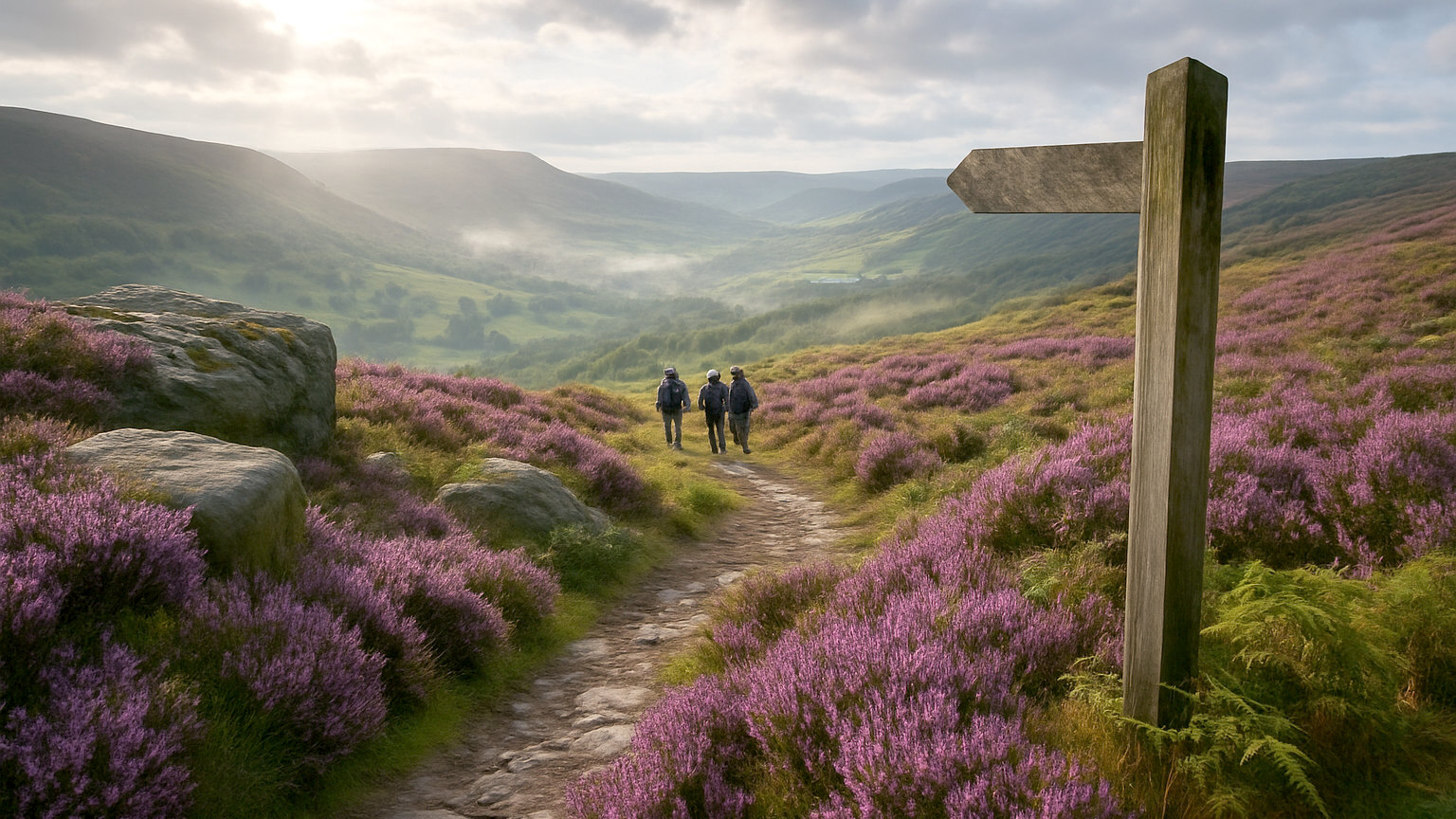
Whether you can walk somewhere good directly from it. Edale, Ribblehead, Dovey Junction, Corrour and Roman Bridge all put you into open country within minutes; other rural stations sit two miles from anything on a road with no pavement.
Check what surrounds the station on a map before booking accommodation near it. A rural station and a useful rural station are not the same thing.
How do you handle the last few miles?
Taxis, which for a single journey at each end are considerably cheaper than a week of car hire and fuel. Booking one in advance matters, since rural taxi firms are small and may not answer on a Sunday.
Many rural hosts will collect guests from a station if asked, particularly at bed and breakfasts and inns, and some advertise it. It is always worth asking rather than assuming.
What about the seasonal bus networks?
Several national parks run bus services designed for visitors rather than commuters, typically between Easter and October. The Sherpa'r Wyddfa network in Eryri, the Lake District services and the Pembrokeshire coastal buses are the strongest examples.
These are genuinely useful because they allow linear walks, letting you travel out and walk back. Check whether the service runs on your dates, since many stop entirely in winter.
Which accommodation suits a car free trip?
Pubs with rooms, bed and breakfasts and hostels in villages rather than isolated cottages. The property needs a shop, a pub and ideally a bus stop within walking distance, which rules out most remote self catering.
Youth hostels are particularly well suited, since many were sited near stations and paths long before car ownership was universal, and several are in places a car cannot easily reach.
How do you manage food and supplies?
Choose somewhere with a shop or a pub serving food, and check the opening days. A supermarket delivery to a cottage works without a car and is worth arranging for the arrival day.
For walking days, most rural pubs and some village shops will make up a packed lunch if asked the previous evening.
What does it cost compared with driving?
Frequently less. A return rail fare booked in advance, plus two taxi journeys, generally undercuts a week of car hire, fuel and parking, particularly for one or two people.
A railcard giving roughly a third off makes the comparison more favourable still. For families of four or five, driving usually wins on cost.
What is the main limitation?
Flexibility. You cannot decide at breakfast to drive forty miles to a different valley because the weather looks better there. Car free rural breaks work best when built around one area explored on foot rather than a touring itinerary.
That constraint is also the appeal for many people. Walking from the door for a week produces a different and generally slower holiday than driving to a car park each morning.
Which single areas would we suggest first?
The Peak District from Edale or Hathersage, where the walking starts at the platform and the trains run frequently from two cities. Or the Lake District based in Windermere or Ambleside, using the seasonal buses. Both have enough accommodation, food and services within walking distance to make the absence of a car genuinely unnoticeable, which is not true of most rural Britain and is the right place to find out whether the approach suits you.