The New Forest was declared a royal hunting forest by William the Conqueror in 1079 and has been managed under a system of common rights ever since. It became a national park in 2005 and is a working landscape of heath, ancient woodland and grazing rather than a forest in the ordinary sense.
Why do animals roam free?
Because commoners, people occupying certain properties, hold ancient rights to graze animals on the open forest. Those rights are what maintains the landscape.
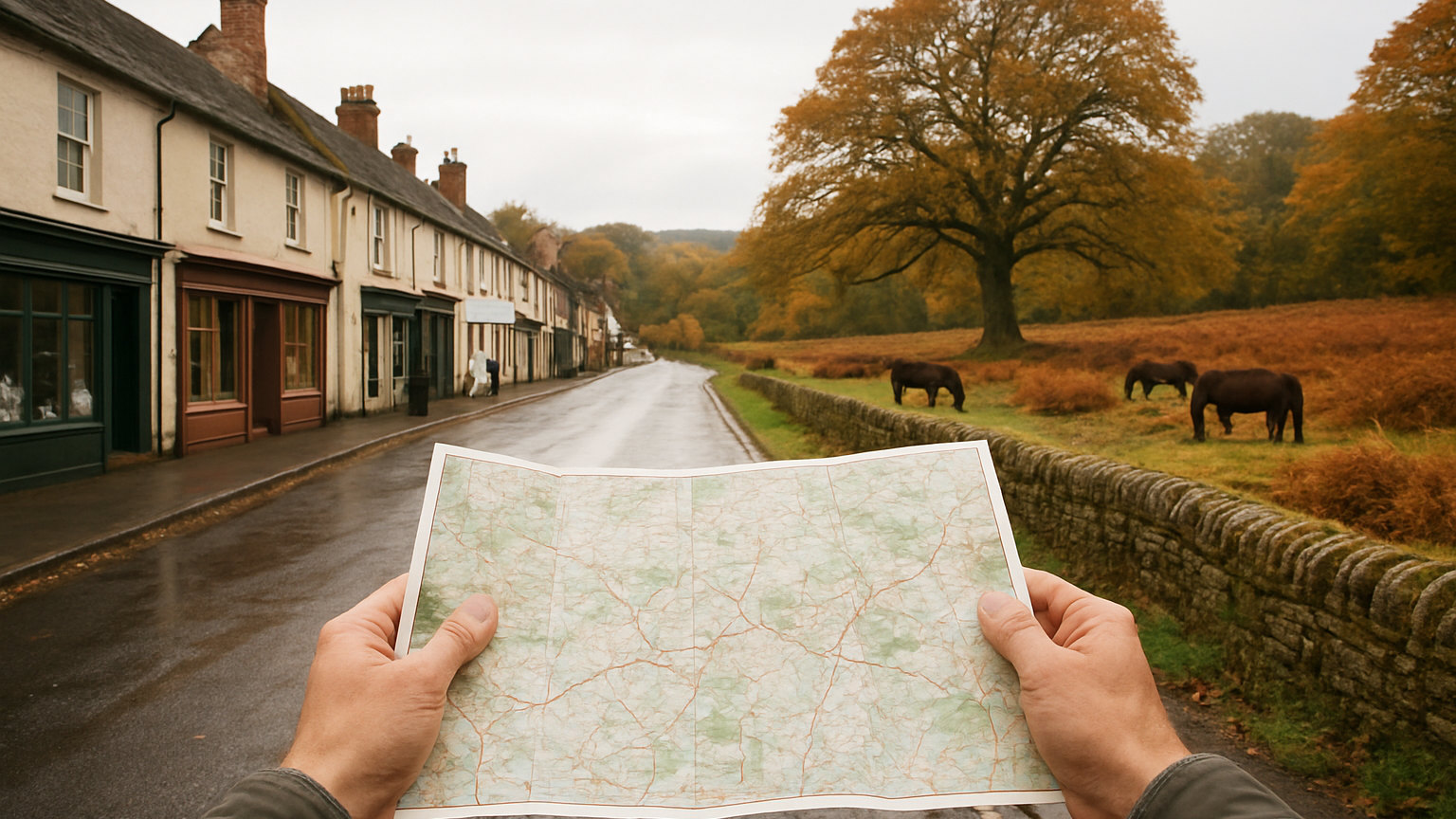
Ponies, cattle, donkeys and, in autumn, pigs all wander freely, including onto roads. They are owned rather than wild, and each has a commoner responsible for it.
What is pannage?
A season each autumn when pigs are turned out to eat fallen acorns, which are poisonous to ponies and cattle in quantity. The dates vary each year with the crop.
It is a genuine working practice rather than a display, and seeing pigs in the woods in October is one of the more unusual sights in England.
What are the rules about the animals?
Do not feed or touch them. Feeding draws them to roads and causes deaths, and it is an offence. Ponies bite and kick and are not tame.
Drive slowly, particularly at night and in unfenced areas. Animals are killed by vehicles every year and there is a legal duty to report collisions.
What is the woodland like?
Some of the finest ancient pasture woodland in Europe, with enormous old oaks and beeches, holly thickets and a lichen community of international importance.
The ornamental drives at Bolderwood and Rhinefield run through it, planted with exotic conifers in the nineteenth century, and both have car parks and easy walks.
What about the heath?
Open heather and gorse covering much of the park, which is rare habitat internationally and supports ground nesting birds including nightjar and Dartford warbler.
Between March and July these birds nest on the ground, which is why dogs must be under close control and walkers should keep to main tracks.
What is at Beaulieu?
A motor museum with a substantial collection, in the grounds of an estate with abbey ruins and a house, on the river of the same name.
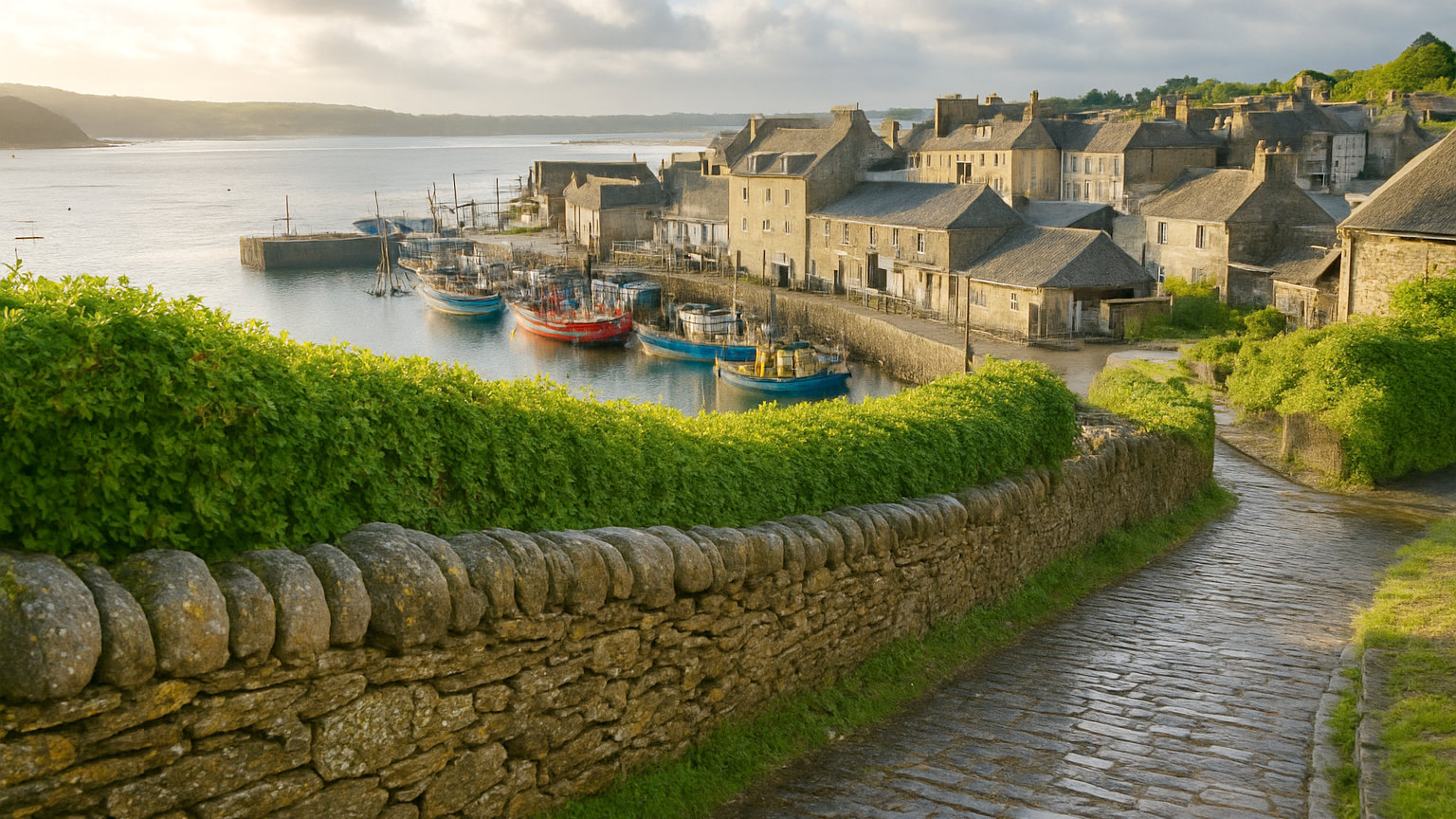
Nearby Buckler's Hard is a preserved shipbuilding village of two rows of cottages on a slope down to the water, where naval vessels were built from local oak.
Where should you base yourself?
Lyndhurst is the administrative centre with the visitor centre. Brockenhurst has a station and is the most practical for arriving by train.
Beaulieu, Burley and Fordingbridge are quieter, and Lymington on the coast has a market and ferries to the Isle of Wight.
Is it good for cycling?
Very. An extensive network of gravel tracks is open to bikes, mostly flat, with hire available in several villages.
Cycling is restricted to waymarked routes rather than open heath, which protects the habitat and the ground nesting birds.
How do you get there?
By train from London Waterloo to Brockenhurst in around ninety minutes, which puts you inside the park at the station.
Buses run in summer, and the park is easily reached by road from Southampton and Bournemouth.
When should you go?
Autumn for pannage and colour, spring for foals and new growth. Summer is busy, particularly at the honeypot car parks and on the coast.
Winter is quiet, the woodland structure is visible and the ponies are still there.
What else should you know?
Barbecues and fires are prohibited across the open forest because of the fire risk to heath and woodland. Camping is only permitted on designated sites.
Stay on tracks in the nesting season, keep dogs away from livestock, and do not park on the verges, which damages the ground and blocks the roads.
What about the coast?
The park includes a stretch of the Solent shore, with saltmarsh, mudflats and shingle at Keyhaven and Lepe, holding large numbers of waders and wildfowl in winter. A spit runs out to Hurst Castle, another of Henry the Eighth's forts, reached on foot along the shingle or by ferry in season.