A rural cottage is not a hotel, and the gap between the two is filled by whatever you brought. There is no reception to ask, the nearest shop may be twenty minutes away and closed, and the difference between a comfortable week and an irritating one is often a handful of small items that cost almost nothing.
What do people most often forget?
A torch, which is the single most useful item in a rural property. There are no streetlights, paths to the car or the log store are unlit, and power cuts are more common than in towns.
Also on the list: a phone charger cable long enough to reach an awkwardly placed socket, painkillers, and any prescription medication in sufficient quantity, since the nearest pharmacy may be a long drive and closed at weekends.
What footwear is worth bringing?
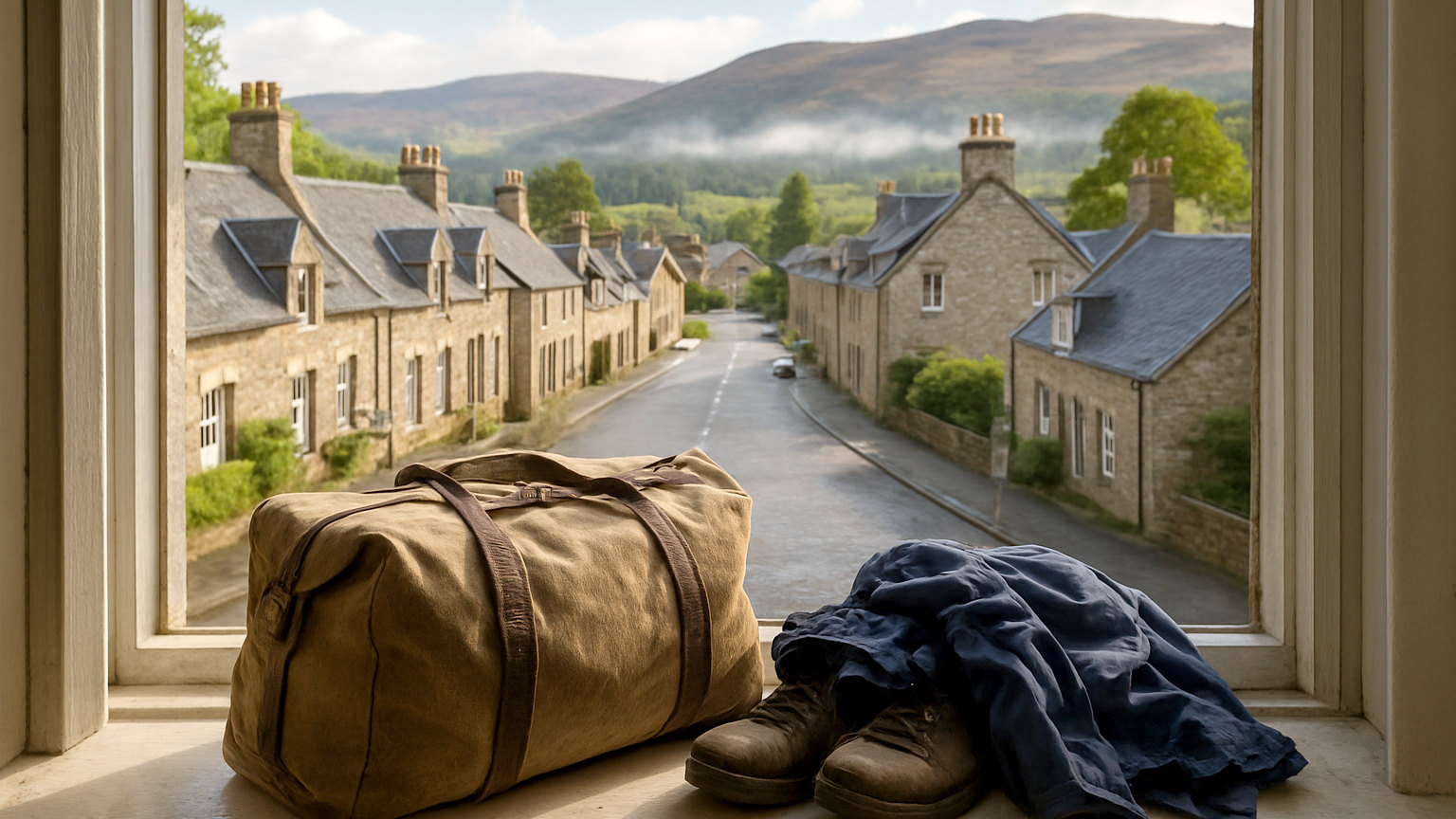
Wellingtons or waterproof boots, even if you have no intention of walking far. Rural gardens, farm tracks and village lanes are muddy for most of the year, and the walk from the car in a wet week is enough to justify them.
Bring an old pair of shoes you do not mind ruining, plus something dry to wear indoors. Many properties ask that outdoor boots stay at the door.
What about navigation and signal?
Download offline maps before you arrive, because you may have no signal to do it there. A paper Ordnance Survey map of the area is worth the few pounds and does not run out of battery.
Take the property's address, directions and the owner's phone number written down rather than only in an email you may not be able to open. Satellite navigation fails at a surprising number of rural properties.
What is almost always provided?
Bed linen and towels, a full kitchen with pans, crockery and usually a dishwasher, basic cleaning materials, and a starter supply of toilet roll and washing up liquid. Most provide tea, coffee and salt and pepper.
Do not assume beyond that. Cooking oil, foil, cling film, herbs and spices, and enough dishwasher tablets for a week are commonly absent, and buying them all again for a single week is wasteful and annoying.
What should you take for the food?
Enough for the first evening at minimum, because arriving at six on a Saturday to find the village shop shut is common. A supermarket delivery timed for shortly after check in solves this properly.
A cool bag is useful for the journey and for picnics. If the property has a wood burner or a barbecue, check whether fuel is provided before assuming.
What helps on a wet day?
Anything that occupies people indoors. Books, cards, a board game and a couple of films downloaded in advance, since streaming may not work on a rural connection.
British weather makes at least one indoor day likely on any week long stay, and groups who packed nothing for it end up driving somewhere they did not want to go.
What extras suit specific groups?
With dogs: a towel for drying, a bed or blanket they are used to, and enough food, since rural shops rarely stock a specific brand. With small children: a nightlight, a stair gate if one is not confirmed, and the usual medicines.
For walkers: waterproofs that genuinely are, spare socks, a small first aid kit and a whistle. For anyone working: check the internet arrangements before relying on them.
What is worth checking before you pack?
Whether the property has a washing machine, which changes how much clothing you need for a week. Whether there is a dishwasher, a freezer and an oven rather than only a hob. Whether heating is included or metered.
A short message to the owner answering those four questions takes a minute and removes most of the guesswork from the rest of the list.
What is worth leaving behind?
Anything you would only use in good weather and nothing else. Bulky beach equipment for a break in the hills, formal clothing for anywhere rural, and multiple pairs of shoes that are not waterproof. Rural Britain has a dress code of approximately none, and the pub that looked smart in photographs will happily serve someone in a fleece. Space in the car is better spent on food, waterproofs and something to do indoors.