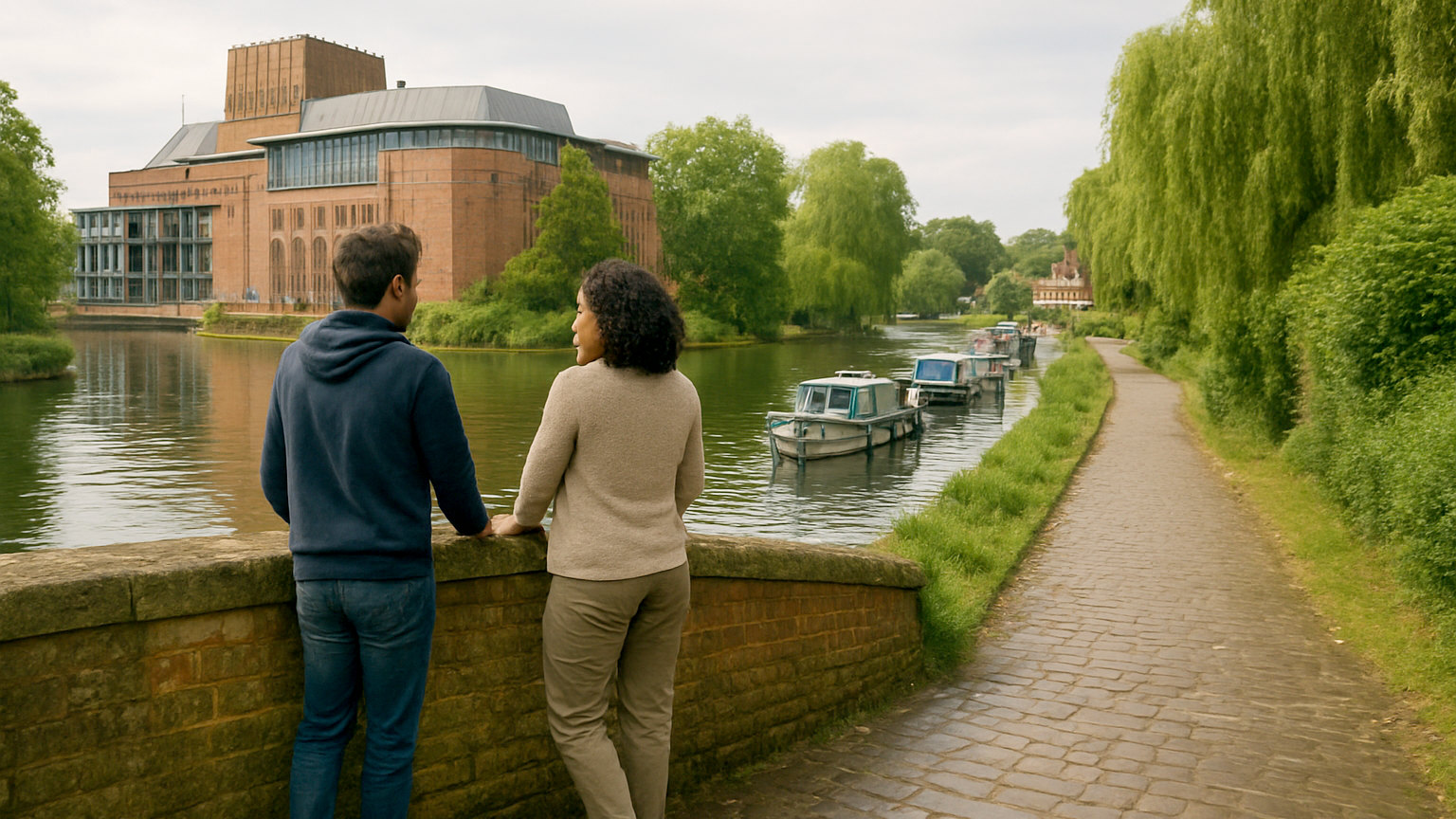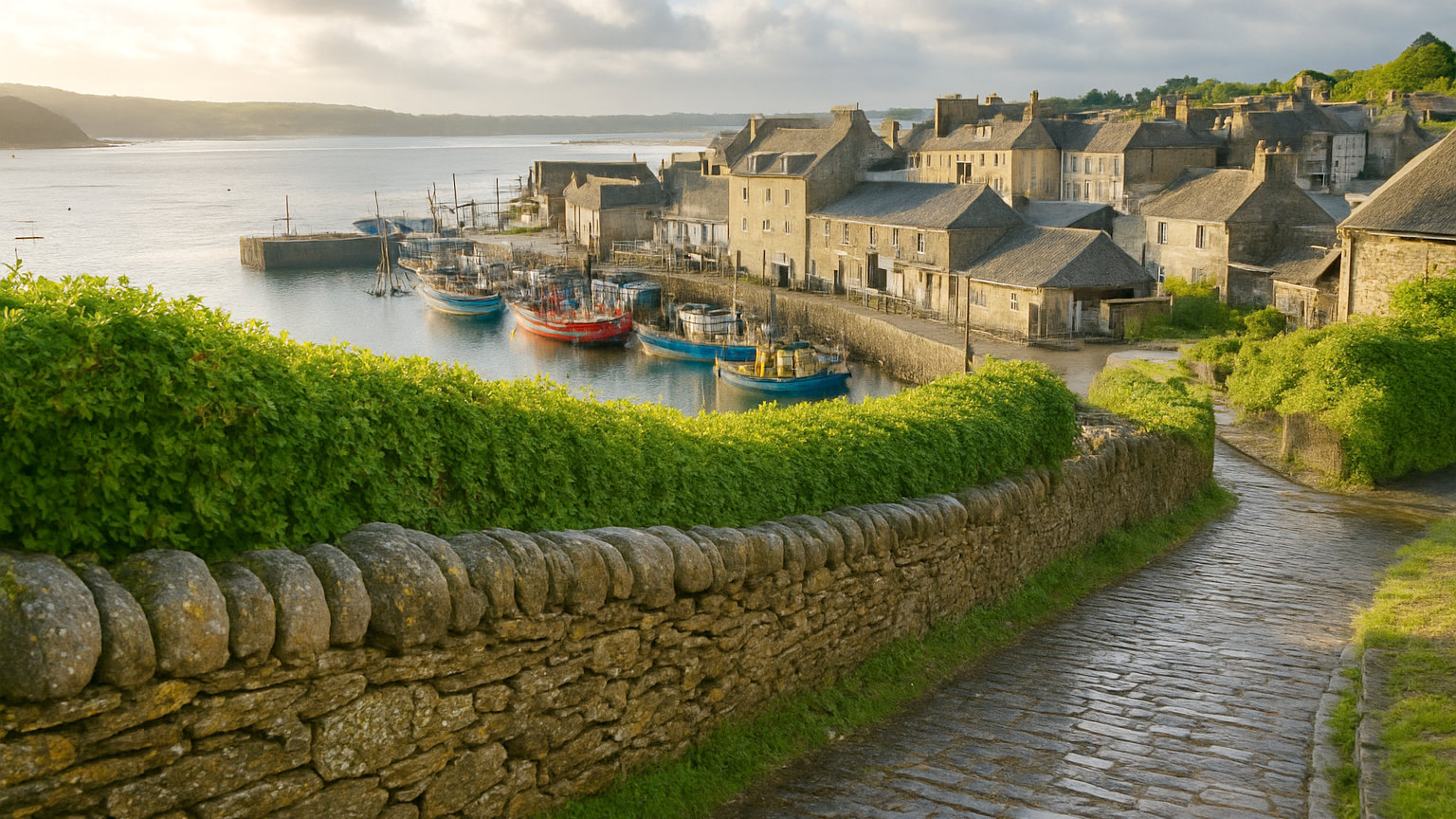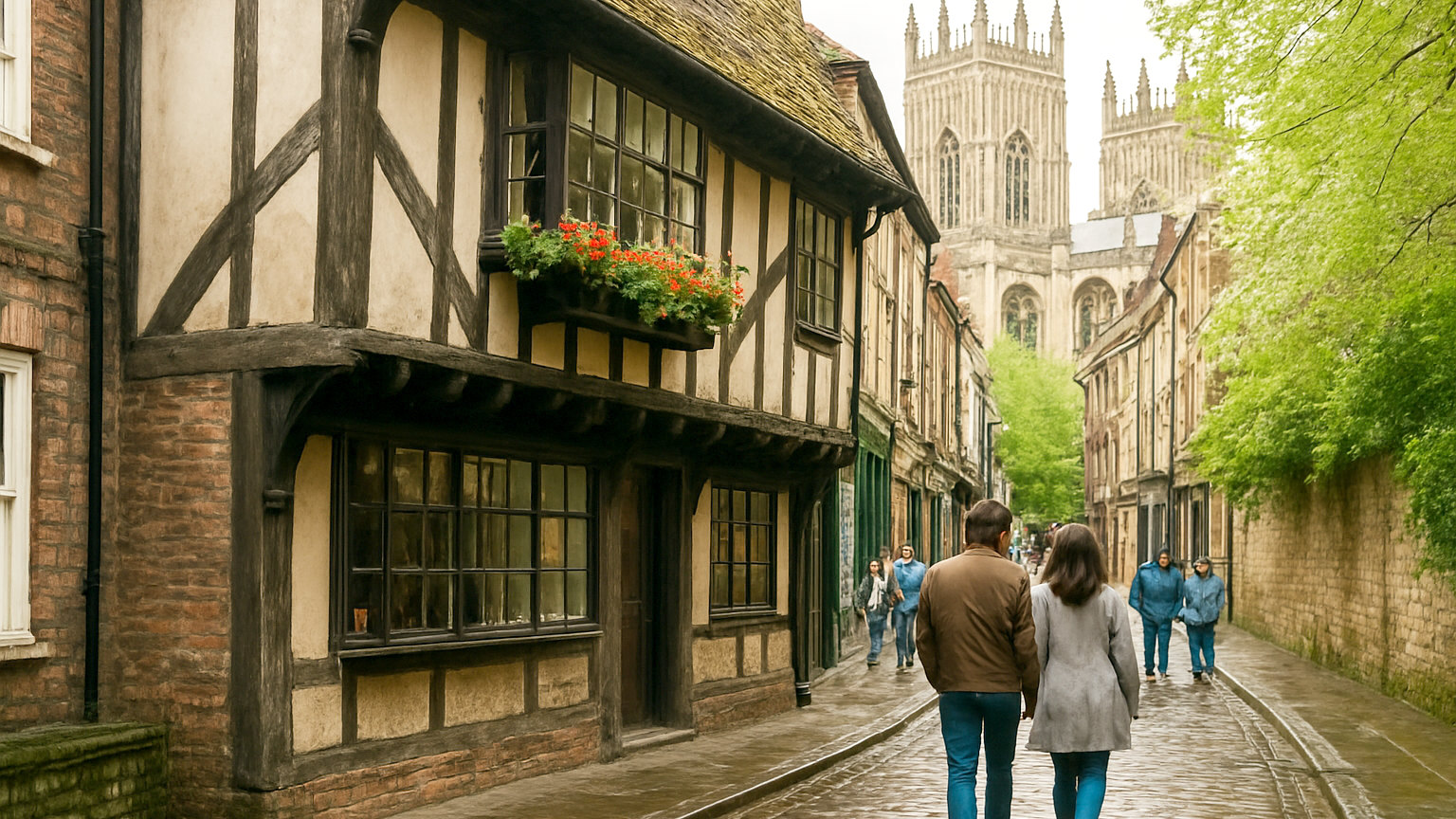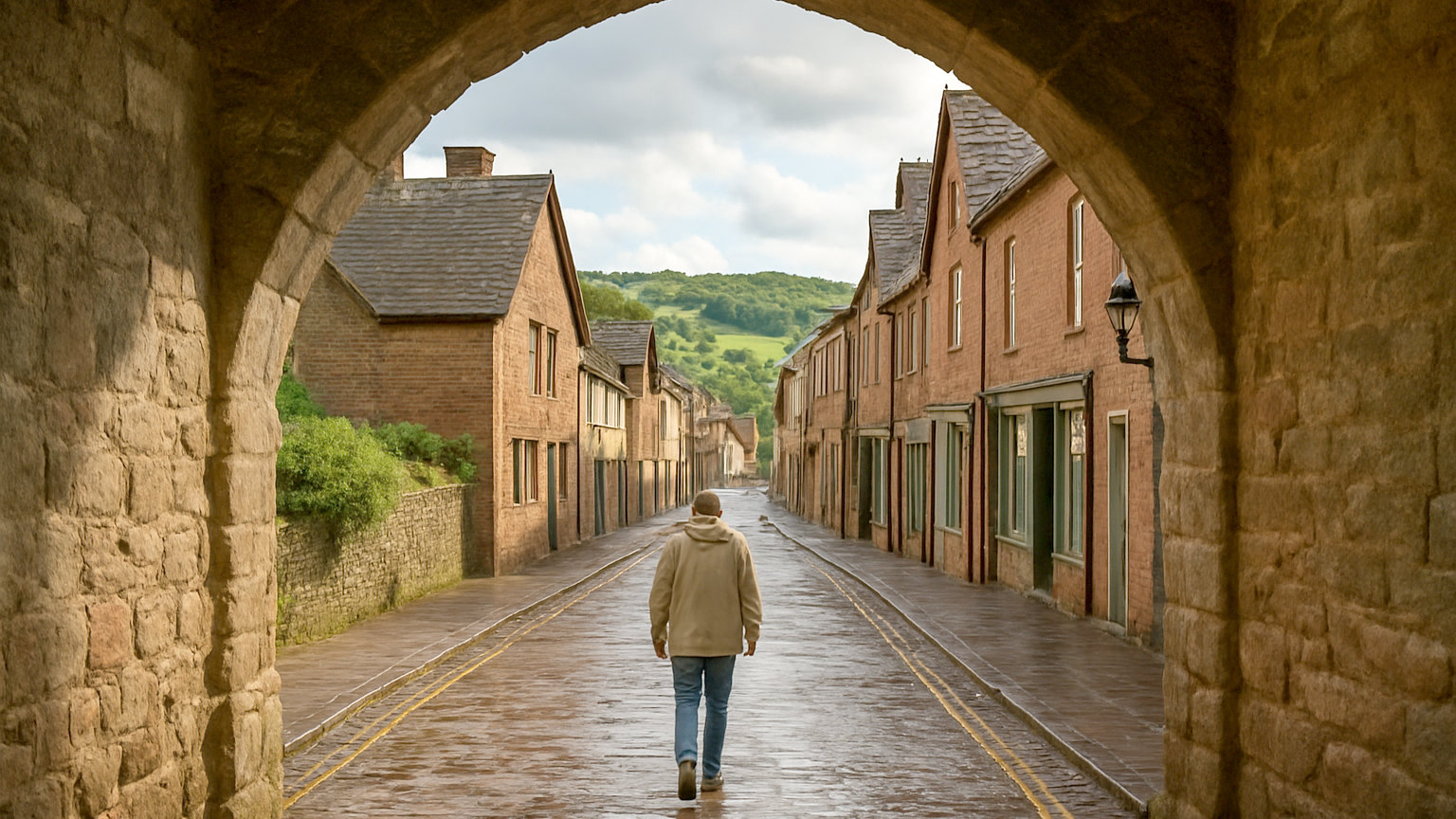
A small town is frequently the best setting for a couples weekend, and consistently the most overlooked. It gives you somewhere to eat, something to look at and a walk from the door, without the crowds of a city or the isolation of a cottage, and it costs considerably less than either a city hotel or a country house.
What should you look for?
Somewhere with more than one good place to eat, so two nights does not mean the same restaurant twice. Somewhere walkable from your accommodation. And countryside or coast within walking distance of the centre.
A year round population matters too. Towns that exist only for visitors are hollow out of season and expensive in it.
Which market towns work well?
Ludlow in Shropshire, with a castle, a strong food reputation and hills around it. Hay on Wye on the Welsh border, for bookshops and the Black Mountains. Bakewell in the Peak District, with the dales on the doorstep.
Kirkby Lonsdale, Corbridge, Richmond in Yorkshire, Frome and Bruton in Somerset, and Beaumaris on Anglesey all deliver the same combination at different scales.
Which coastal towns suit couples?
Aldeburgh and Southwold in Suffolk, both small, well kept and unusually good for food. Rye in Sussex, cobbled and medieval, with marshes and beach nearby.
Deal in Kent, Whitstable for oysters, Alnmouth in Northumberland, Portmeirion in Wales for something entirely unlike anywhere else, and St Mawes or Fowey in Cornwall.
What about Scotland and Northern Ireland?
Pitlochry and Aberfeldy in Perthshire, both with hills, rivers and distilleries. Plockton on the west coast, with palm trees and a sheltered bay. St Abbs in the Borders.
In Northern Ireland, Portstewart and Cushendun on the Antrim coast are small, quiet and close to the Causeway route without being on it.
Why do these work better than cities?
Because you can walk everywhere, nothing needs booking weeks ahead, and there is no pressure to see anything. A city weekend has an implicit itinerary; a small town does not.
They are also markedly cheaper for accommodation and food of comparable quality, and quieter at exactly the times a city is busiest.
What is there actually to do?
Walk, eat, read, and look at things. Most of these towns have a castle, an abbey, a harbour or a market, a decent independent shop or two and a footpath leading out of the centre.
That is enough for two nights. Couples who need more structure than that are usually better served by a city.
When should you go?
Spring and autumn are ideal, with everything open and few visitors. Winter works in towns with a resident population and is very cheap, though check what closes.
Avoid market days and festival weekends unless that is the point, since a small town with an event on is a different place entirely.
Where should you stay?
An inn with rooms in the centre, which puts dinner downstairs and everything within a few minutes' walk. These towns are where that format is at its best.
Failing that, a small hotel or a bed and breakfast within the town rather than a cottage outside it, since walking to dinner is most of the appeal.
How do you choose one?
Pick a region you both like, find the towns in it with two or more well reviewed places to eat, and check there is a footpath or a beach within walking distance of the centre.
Anything meeting those two tests will almost certainly produce a good weekend, and there are several dozen of them across Britain that hardly anybody thinks of.
How do you get there?
Several of these towns are on a railway line, which removes the driving entirely and makes a two night break considerably more relaxing. Ludlow, Bakewell by nearby connection, Rye, Whitstable, Alnmouth, Pitlochry and Richmond in North Yorkshire are all reachable by rail with varying degrees of ease. Where a car is needed, check parking at the accommodation first, since medieval street plans and modern vehicles rarely agree.