Britain has an unusually rich supply of strange places to sleep, largely because it has an unusually rich supply of odd buildings that needed a use. Lighthouses, follies, gatehouses, castles, watermills and railway carriages are all available to book, and for a couples break they supply a sense of occasion that no hotel room manages.
What are the main options?
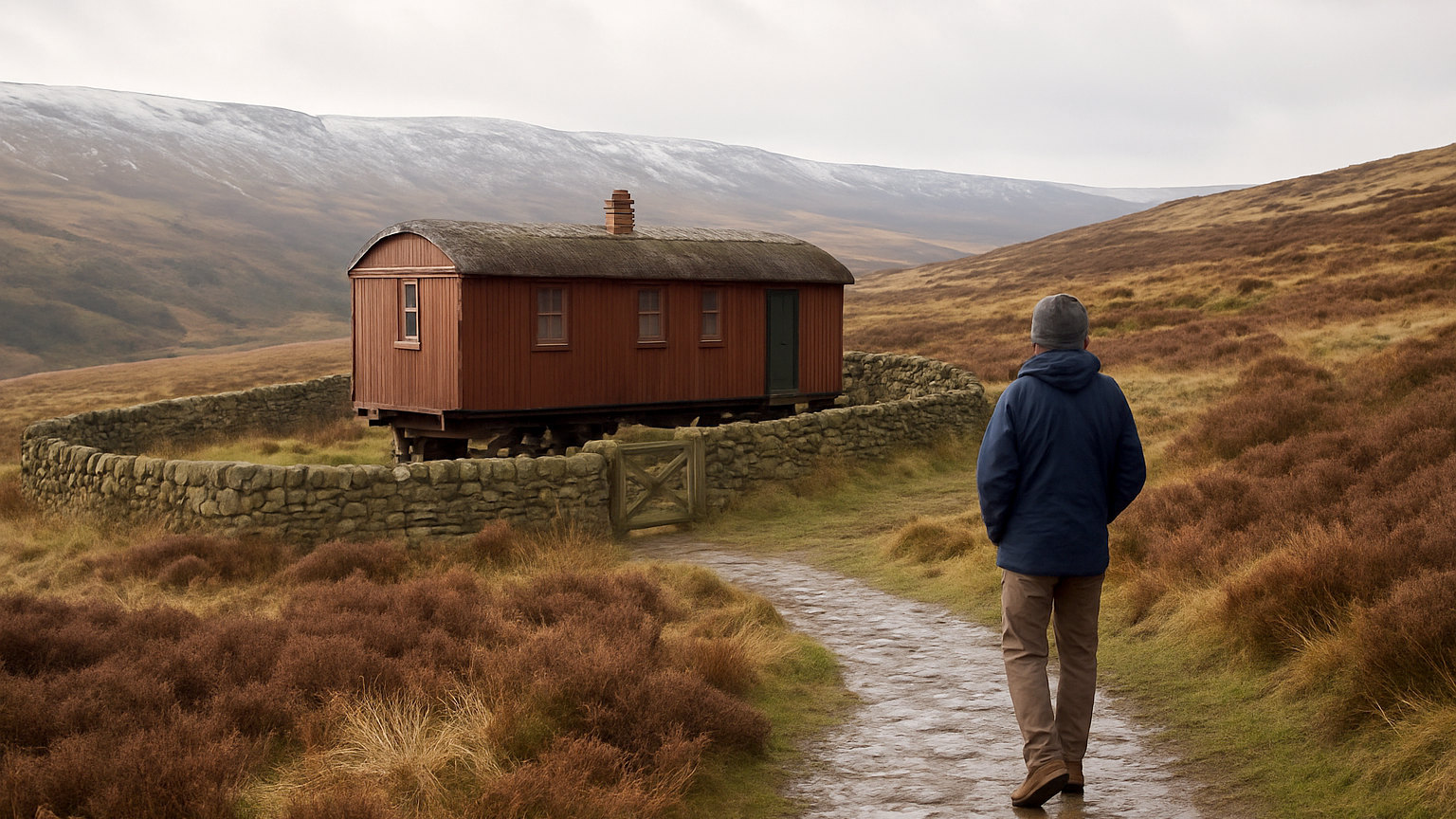
Historic buildings restored by conservation charities and let to the public, which include follies, forts, towers and lodges. Shepherd's huts, which have become the most widespread quirky option in Britain.
Treehouses, converted railway carriages, lighthouses and lighthouse keepers' cottages, windmills, chapels, and glamping structures including domes, yurts and cabins.
What do conservation charity properties involve?
Buildings rescued from dereliction and let out to fund their upkeep, often in extraordinary locations. They tend to be furnished simply and appropriately, with no televisions and sometimes limited signal.
They book a long way ahead, particularly the well known ones, and some operate a ballot or release dates on a fixed schedule. Anyone with a specific property in mind should find out how bookings open rather than checking availability casually.
What are shepherd's huts like?
Small, usually one room with a bed, a wood burner and a compact shower and lavatory, set in a field or a garden. They suit two people and no more.
The good ones are comfortable and well insulated. The weaker ones are cold in winter and cramped in bad weather, so check the heating and whether there is anywhere to sit other than the bed.
Can you really stay in a lighthouse?
Yes, at several around the coast, though usually in the keepers' cottages rather than the tower itself. A small number offer accommodation in the tower with the light above.
The settings are the appeal: headlands, islands and cliff tops with no neighbours. The trade off is exposure, wind and sometimes a considerable walk from parking.
What should you check before booking?
Access, which for remote and unusual properties is frequently the complication. Some involve a long walk, a boat, a tidal crossing or a track unsuitable for ordinary cars.
Also facilities: whether there is running hot water, mains electricity, a proper lavatory and heating that works in the month you are going. Several charming properties are basic by design.
What do they cost?
Enormously variable. Shepherd's huts and glamping structures are frequently cheaper than a hotel room. Historic conservation properties are priced by size and can be very reasonable per head for a group.
Lighthouses, treehouses and the well known one off properties command a premium, since demand exceeds a supply of exactly one.
When should you go?
Autumn and winter suit these places particularly well, since a wood burner, a remote setting and a long evening are the point. Prices also drop outside summer.
The exception is anything unheated or relying on canvas, which is a summer proposition only. Check what the property says about winter rather than assuming.
Are they practical for a whole week?
Depends on the size. A hut or a treehouse is ideal for two or three nights and cramped for seven. A converted castle or a substantial historic building is comfortable for a week.
A common approach is to use an unusual property for a short break and something more ordinary for a longer one.
Are they worth it?
For a couples break or an occasion, yes, and they generate the kind of trip people remember years later. Waking up in a folly on a hillside is not something a hotel replicates.
Manage expectations about comfort, check the access and the heating, and book well ahead, since the good ones have small capacity and long waiting lists.
How do you find them?
Conservation charities that restore and let historic buildings publish their own catalogues, and several specialist agencies list quirky properties exclusively. Local tourist boards frequently know about one off buildings that never appear on the large booking platforms. Searching for the building type rather than the location, whether that is a folly, a watermill or a converted chapel, turns up far more than browsing an area does.