Where Was Jane Austen's Britain?
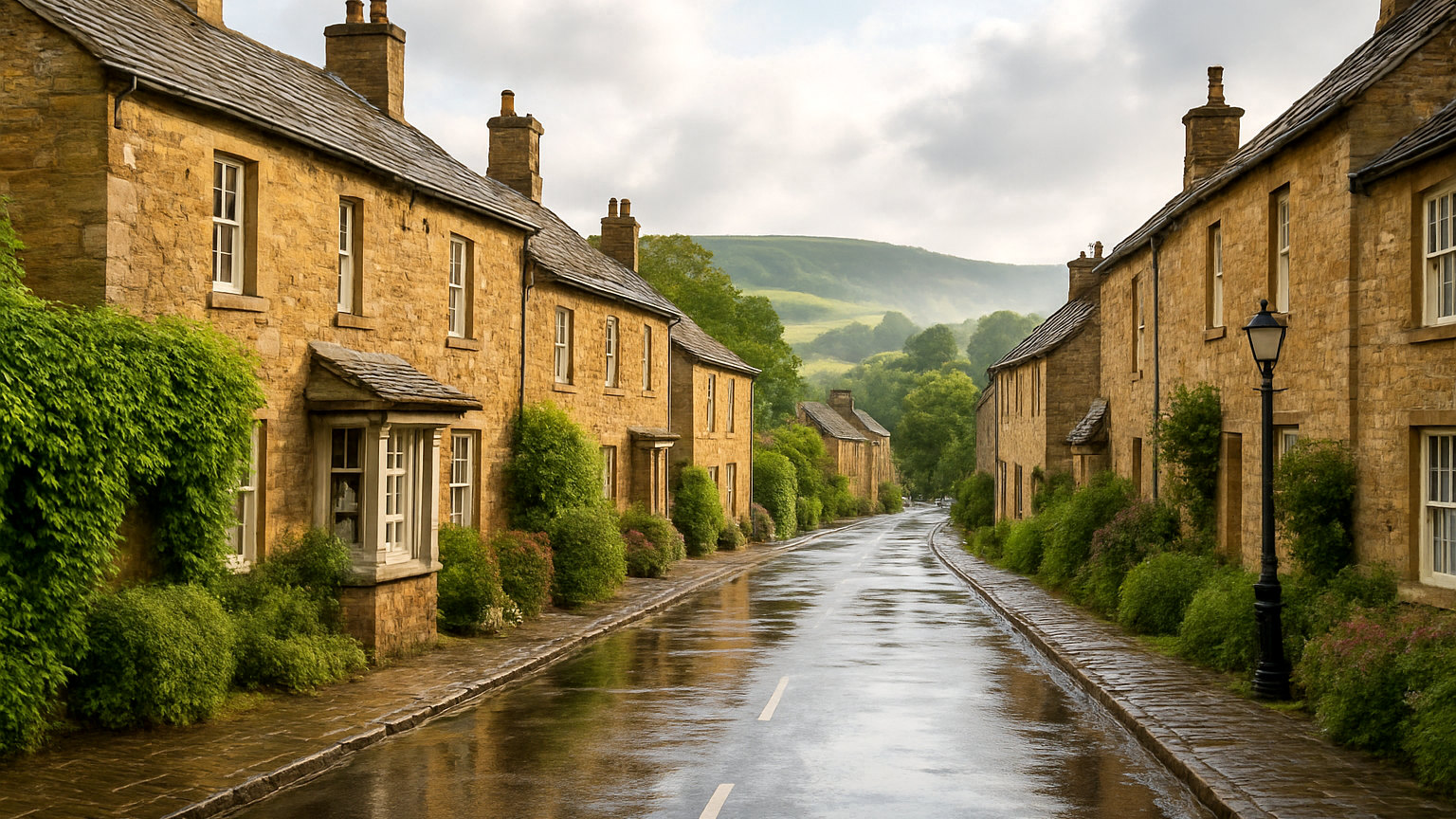
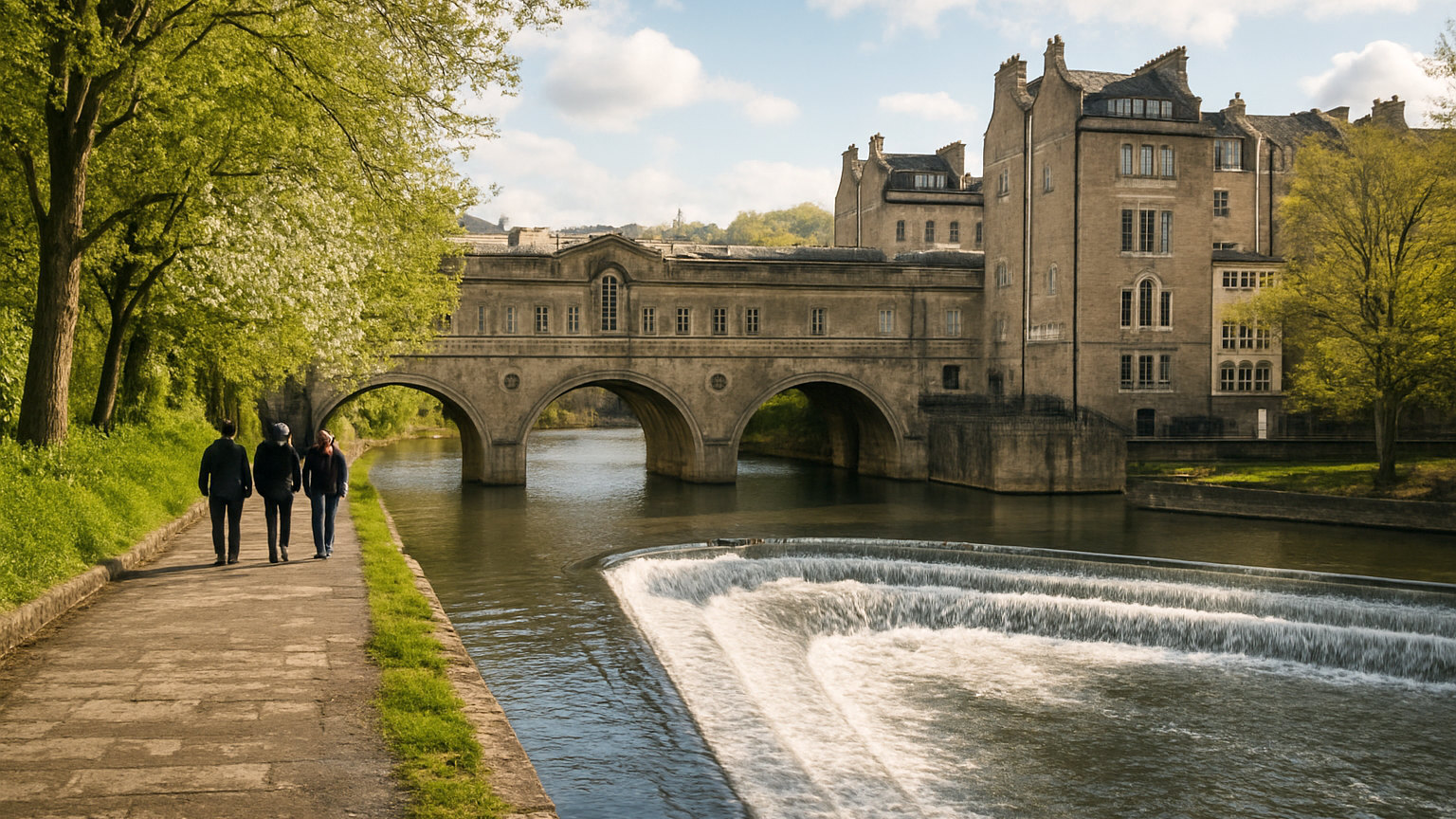
Austen's places are real, walkable and mostly compact. Where she lived, what survives and which locations appear in the novels.
By British Travel Guides Editorial
23 Jan 2026

Sometimes the question is not how to get somewhere but where to go at all. These guides are for browsing: the places that stay quiet in August, the drives worth taking the long way round for, the villages that turn up in every period drama, and the landscapes that produced the books. Some of it is well known and worth it anyway. Rather more of it is an hour from somewhere you have already been and you have simply never had a reason to turn off.
Austen's places are real, walkable and mostly compact. Where she lived, what survives and which locations appear in the novels.
Britain has fifteen national parks and the visitor numbers between them differ enormously. Which are quietest and what they hold.
Dorset is Thomas Hardy's Wessex, and the villages, heath and market towns behind the invented names are all still there.
Screen tourism has grown enormously and not every location is open. Which are genuinely visitable and which are private.
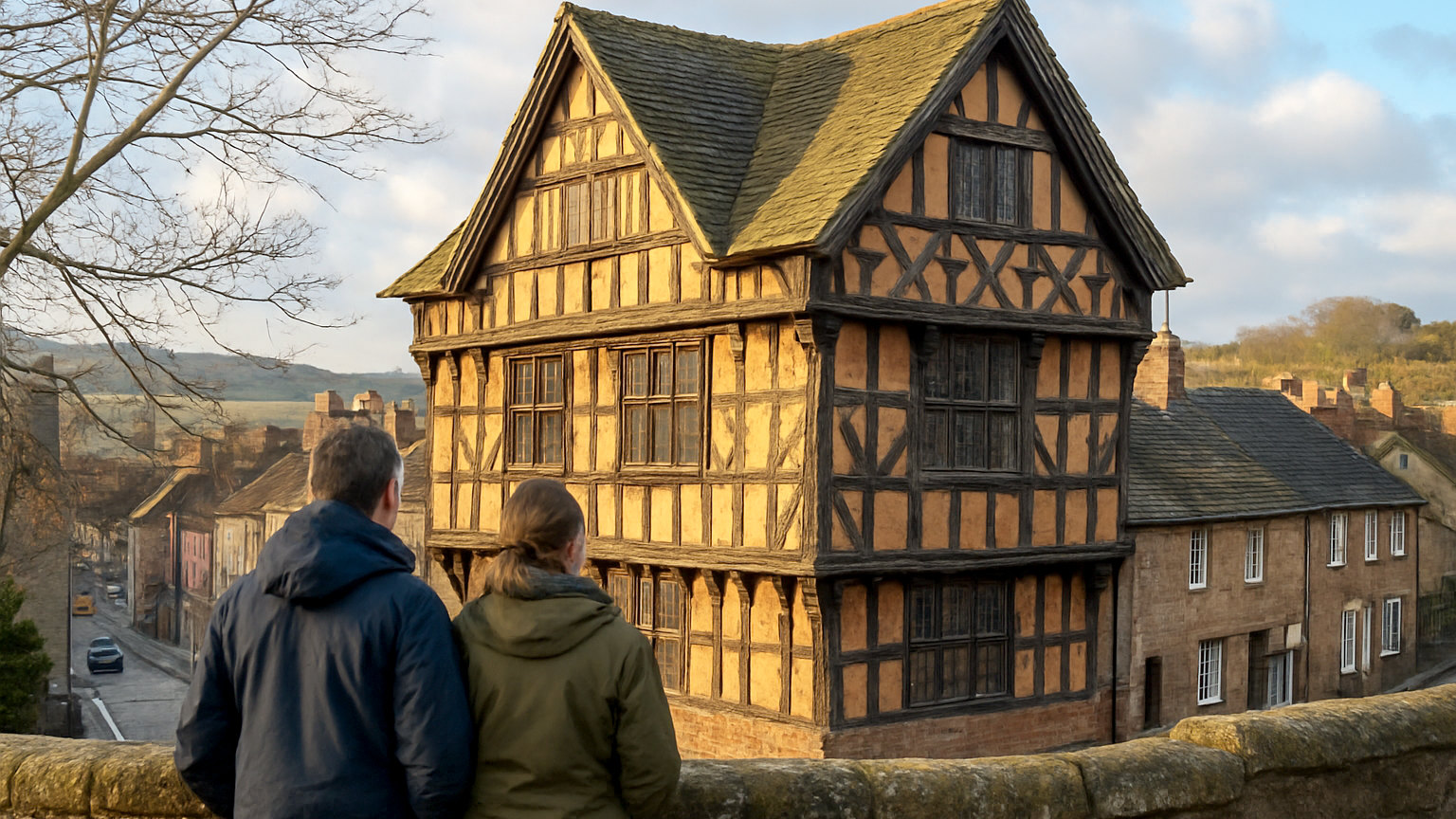
Shropshire has hills, a World Heritage Site, a Roman city and one of the best medieval towns in England, and almost nobody goes.
Britain's coast road network runs for thousands of miles and some sections are outstanding. Which stretches are worth driving for their own sake.
Spring is the most underrated season in Britain and statistically the driest. Which places are at their best and when.
Some destinations are ruined by rain and others barely notice it. Which weekends work whatever the forecast does.
Britain preserves an unusual number of writers' homes, several exactly as they were left. Which are worth visiting and what they show.
Visitor numbers in Britain concentrate in a handful of areas, leaving whole counties almost untouched. Which regions are missed and what is in them.